
Weighing Indicator HS Code: A Simple Guide
Find the correct weighing indicator HS code for smooth customs clearance. Learn key tips for accurate classification and avoid shipping delays or fees.

The accuracy of your scales directly impacts your profits, but the accuracy of your paperwork can be just as important. When shipping weighing equipment internationally, the HS code you declare on your customs forms is a critical piece of data. It tells authorities exactly what you’re shipping and determines the fees you owe. Using the wrong code, even by mistake, can trigger audits and fines. That’s why knowing the correct weighing indicator hs code is not just a minor detail; it’s a key part of your financial and operational planning. Let’s explore how to get it right and protect your business.
Key Takeaways
- Use the Right HS Code: For digital weighing indicators, the correct code is 8423.90.0040. Using this specific number ensures accurate customs duties are applied and helps your shipments clear the border without costly holds or penalties.
- Create a Defensible Classification Strategy: Protect your business by building a clear process for every product. Research using official government sources, work with customs brokers when you’re unsure, and keep detailed records to prove you did your due diligence during an audit.
- Select an Indicator That Fits Your Workflow: Your choice of weighing indicator is a business decision, not just a technical one. Consider its accuracy, its ability to connect with other systems, and whether it meets legal-for-trade requirements to support your operational efficiency and compliance.
What Is a Weighing Indicator?
Think of a weighing indicator as the brain of your digital scale. It’s the part with the screen that shows you the final weight. While the scale base or platform does the heavy lifting, the indicator is what translates that physical pressure into a clear, digital number you can actually use. Without it, a modern scale is just a platform. These devices are essential for everything from portioning ingredients in a restaurant to weighing packages for shipping. They ensure you get an accurate reading every single time.
Its Core Components and Purpose
The main job of a weighing indicator is to take the electrical signal from a weight sensor, called a load cell, and turn it into a number on the display. But these smart devices do more than just show weight. They come with several key functions that make your job easier. You can set a starting point (zero), subtract the weight of a container (tare), and switch between the total weight (gross) and the actual product weight (net). Many modern digital scale indicators can also send this information directly to a printer or computer, which is perfect for keeping records and creating labels.
How Does a Weighing Indicator Work?
At its core, the process is straightforward. A load cell within the scale base senses the force of an object and sends a tiny electrical signal to the indicator. The indicator then amplifies, processes, and converts this signal into the weight you see on the screen. Because they are a critical component, U.S. Customs and Border Protection officially classifies them as “parts of weighing machinery.” This distinction is important for businesses that import or export equipment. For trade purposes, these devices fall under the Harmonized Tariff Schedule (HTS) code 8423.90.0040, a detail that helps ensure your bench scales and other equipment clear customs smoothly.
What Is the HS Code for Weighing Indicators?
If you’re shipping or receiving weighing equipment internationally, you’ll quickly run into something called an HS code. Getting this code right is essential for smooth customs clearance and avoiding costly delays. Think of it as a universal passport for your products. For a piece of equipment as specific as a weighing indicator, knowing the correct classification from the start saves you a major headache. So, let’s walk through exactly what code you need and why it matters.
A Quick Intro to HS Codes
HS codes, short for Harmonized System codes, are standardized numbers used by customs authorities around the world to identify and classify products. Every item that crosses an international border needs one. These codes ensure that everyone, from a customs agent in one country to a supplier in another, is speaking the same language about a product. They are used to determine import duties and taxes, enforce trade policies, and gather statistics. For business owners, understanding HS codes is key to managing shipping costs and staying compliant with international trade laws.
Decoding HS Code 8423.90.0040
So, what’s the magic number for weighing indicators? According to official rulings from U.S. Customs and Border Protection, the correct classification for most digital weighing indicators is 8423.90.0040. This code is found in the Harmonized Tariff Schedule of the United States (HTS) and specifically identifies these devices. This classification was established to create a clear category for indicators that process weight data. Having this specific code means there’s less ambiguity at the border, which helps ensure your shipments are processed correctly and without unexpected fees. You can even review the official customs ruling that established this classification.
Why It’s Classified as a Weighing Machinery Part
You might wonder why a weighing indicator isn’t just classified as a scale. The reason is that an indicator is considered a part of a larger weighing system. Its job is to take the electrical signal from a load cell (the sensor that feels the weight) and translate it into a digital number you can read on a screen. Because it can’t determine weight on its own, it’s classified as a component. This makes it distinct from a complete restaurant scale that includes the platform, load cell, and indicator all in one unit. This distinction is crucial for customs, as parts and complete machines often have different tariff rates.
Why HS Codes Are Crucial for Your Business
If you’re moving products across international borders, Harmonized System (HS) codes are something you simply can’t ignore. Think of them as a universal language for customs officials worldwide. Getting these codes right isn’t just about paperwork; it directly affects your shipping times, your final costs, and your company’s legal standing. For any business that imports or exports goods, from individual components like digital scale indicators to finished products, understanding HS codes is a fundamental part of smooth operations. It’s the key to preventing costly delays, unexpected fees, and serious compliance headaches down the road.
Calculate Customs Duties and Tariffs
The most immediate impact of an HS code is on your wallet. This code is what customs authorities use to determine the specific tariff rates, duties, and taxes that apply to your shipment. An incorrect code can lead to an inaccurate calculation, meaning you might overpay and cut into your profits, or underpay and face penalties and back-charges later on. The right HS code is also your ticket to taking advantage of free trade agreements. These agreements can significantly lower or even eliminate tariffs on certain goods, but you can only claim those benefits if your products are classified correctly.
Stay Compliant with Trade Laws
Using the wrong HS code can raise immediate red flags at the border, leading to frustrating and expensive problems. Customs officials use these codes to enforce a wide range of trade laws, including safety regulations, import quotas, and anti-dumping duties. An incorrect code can cause your shipment to be held, inspected, or even seized. This not only delays your supply chain but can also result in hefty fines and place your business on a watchlist for future inspections. Maintaining basic import and export compliance by using accurate HS codes is essential for keeping your goods moving and protecting your business from legal trouble.
Analyze Market and Trade Data
Beyond compliance, HS codes offer a powerful tool for strategic planning. Governments and organizations around the world use HS code data to compile and publish international trade statistics. For a savvy business owner, this information is a goldmine. You can use it to research the import and export volumes for specific products, helping you identify potential new markets or gauge the demand for items like restaurant scales. This data allows you to track industry trends, analyze competitor activity, and make informed decisions about where to source materials or sell your products. What starts as a customs requirement can become a key part of your market intelligence strategy.
Common HS Code Classification Challenges
Getting HS codes right is a big deal for any business that ships products internationally, but it can be tricky. You’re not alone if you find this part of running your business a bit of a headache. The system is complex, and the stakes are high. From costly errors to constantly changing rules, several common hurdles can trip up even the most careful business owner. Understanding these challenges is the first step to getting your classifications right every time.
The High Cost of Misclassification
Think of an HS code as your product’s passport for international travel. Using the wrong one can cause serious problems. An incorrect code might lead to your shipment being delayed at the border, rejected by customs, or even seized. This not only frustrates your customers but can also lead to unexpected fines and storage fees. Since most global trade depends on accurate HS code classification, customs officials take it very seriously. A simple mistake can mean you overpay or underpay duties and taxes, triggering audits and penalties that eat into your profits.
Handling Complex and Changing Codes
The Harmonized System isn’t a “set it and forget it” list. It’s a massive, living document that gets updated regularly. The US version alone contains over 10,000 individual codes, a number that can feel overwhelming. What makes it even more challenging is that these codes can be interpreted differently and are subject to change. A code that was correct for your weighing indicator last year might not be the right one today. This means you constantly have to review your product list and verify that your classifications are still accurate, especially when you add new items to your inventory.
The Expertise and Training Gap
If you run a small or medium-sized business, you probably don’t have a dedicated customs specialist on your payroll. This is a common situation, but it can make HS code compliance a frequent weak spot. Without specialized training, it’s easy to make an unintentional error. However, customs authorities may not always see it that way. If they believe a misclassification was done deliberately to avoid paying higher duties, it could be interpreted as fraud, leading to severe legal and financial consequences. This expertise gap is one of the biggest reasons businesses struggle with HS codes.
Find the Right Weighing Indicator for Your Needs
Choosing the right weighing indicator isn’t just about getting a number on a screen; it’s about finding a tool that fits perfectly into your workflow. The best indicator for a busy deli will be different from one used in an industrial warehouse. Your choice affects everything from day-to-day efficiency to the accuracy of your inventory and pricing. Think of it as matching the right brain to your scale’s body.
To make the right decision, you first need to understand the main types available. Most indicators fall into one of three categories: digital, analog, or specialized. Digital indicators are the modern standard for most applications, offering precision and advanced features. Analog indicators are the classic, durable workhorses that are simple and reliable. Specialized indicators are built to handle unique challenges, like harsh environments or complex system integrations. By understanding what each type does best, you can confidently select a weighing solution that will serve your business well for years to come.
Digital Weighing Indicators
A digital weighing indicator is the smart hub of your scale. It takes the raw data from the weight sensor, known as a load cell, and translates it into a clear, digital number. But its job doesn’t stop there. These indicators come packed with features that make weighing tasks faster and more accurate. You can easily zero out the scale, use the tare function to subtract the weight of a container, and switch between the total weight (gross) and the product-only weight (net).
The clear digital display minimizes guesswork and reduces the chance of human error, which is crucial for pricing or portioning. Many digital scale indicators can also send weight data directly to a printer or computer, creating a seamless record-keeping process for compliance and inventory management.
Analog Weighing Indicators
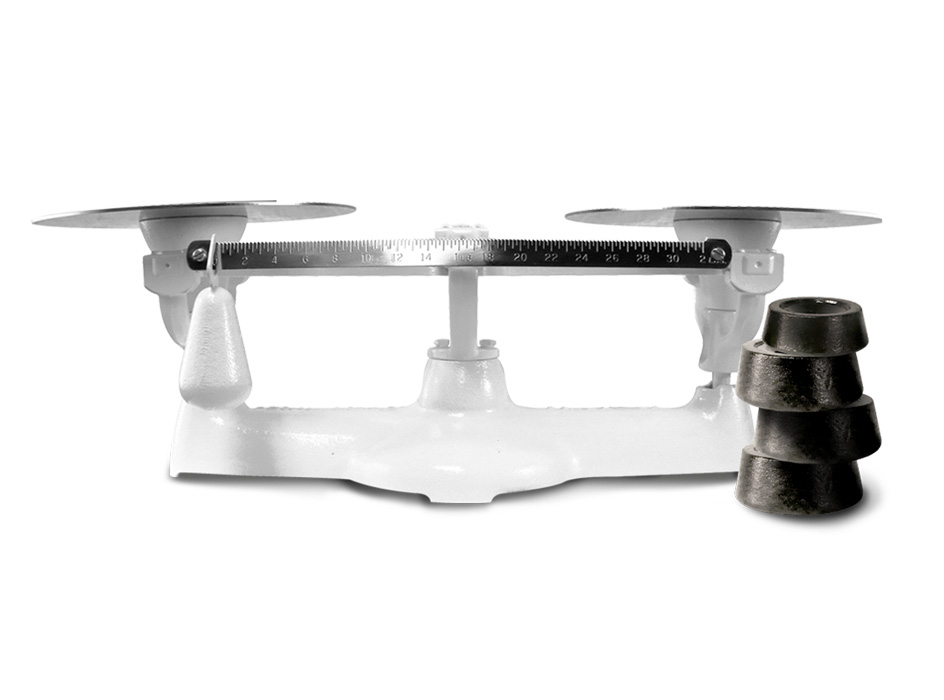
Analog weighing indicators are the tried-and-true classics of the scale world. Instead of a digital screen, they use a mechanical system with a dial and needle to give you a visual reading of the weight. Think of it like a traditional clock face; it’s straightforward and easy to interpret at a glance. Their biggest advantage is often their simplicity and durability. With fewer electronic components, they can be incredibly resilient and don’t rely on a power source to function.
This makes them a great choice for field work, busy kitchens, or any setting where power access is limited or reliability is paramount. While they may not offer the pinpoint precision of a digital model for very fine measurements, their robust design makes mechanical kitchen scales and similar analog devices a dependable tool for a wide range of general weighing tasks.
Specialized Industrial Indicators
Sometimes, a standard indicator just won’t cut it. That’s where specialized industrial indicators come in. These are designed from the ground up for specific, demanding applications you might find in manufacturing, food processing, or laboratory environments. For example, a food processing plant might need a washdown-safe indicator housed in stainless steel to withstand daily cleaning. A lab might require an indicator with extremely high resolution for precise formulation.
These indicators often include features tailored to their environment, such as specific units of measurement, enhanced durability, or advanced connectivity options to integrate with other industrial systems. Choosing a specialized model ensures your equipment can handle the unique pressures of your industry, whether you need heavy-duty bench scales for a warehouse or precise portioning scales for a commercial kitchen.
Our Top Picks for Weighing Indicator Brands
Choosing the right brand can feel overwhelming, but it really comes down to finding a partner you can trust for accuracy and reliability. As both a manufacturer and a master distributor, we work with the best in the business. Here are a few of the top brands we stand by for their quality and performance.
Penn Scale Digital Indicators
We’ve poured over a century of experience into our own line of Penn Scale digital indicators, and I’m incredibly proud of the results. These indicators are designed for outstanding flexibility and performance in real-world business environments. Our 7600 Count & Weigh Indicator is a perfect example, packed with advanced technology for a wide range of weighing and counting jobs. It runs on both battery and AC power for portability and includes features like setpoint relays for process control. We back it with a four-year warranty because we know it’s built to last, giving you the reliability you need to run your operations smoothly.
Ohaus Weighing Solutions
Ohaus has a stellar reputation for a reason. The brand is recognized for its innovative and precise weighing solutions that serve a huge range of industries, from demanding labs to busy industrial sites. What I appreciate most about Ohaus is its focus on creating products that are not only accurate but also genuinely user-friendly. Their indicators are known for being tough and dependable, so you can trust the data you’re getting day in and day out. If you need an indicator that combines cutting-edge technology with straightforward operation, Ohaus is a fantastic choice that consistently delivers on its promises of quality and precision.
CAS and A&D Weighing Technologies
Two other powerhouses in the weighing world are CAS and A&D. CAS offers a great variety of digital indicators built for high performance and simplicity, making them a go-to for many commercial and industrial businesses. They get the job done without a steep learning curve. On the other hand, A&D Weighing is a leader in advanced digital scales and indicators that provide exceptional precision. They are an excellent option when your application requires the highest level of accuracy. Both brands have earned their place in the market by creating reliable tools that help businesses maintain quality and efficiency across their weighing tasks.
How to Classify HS Codes Accurately
Getting your HS codes right is non-negotiable for smooth international shipping. A wrong code can lead to delays, fines, and a lot of headaches you just don’t need. While the system can seem a bit intimidating at first, classifying your products accurately is completely achievable with a clear, step-by-step process. It’s less about memorizing thousands of codes and more about knowing how to find and confirm the right information. Think of it as doing your due diligence to protect your business. By being methodical and keeping good records, you can handle HS codes with confidence. The following steps will show you how to build a reliable system for classifying your products, whether you’re shipping a single bench scale or an entire container of parts.
Research and Verify Your Codes
Your first step is to become a bit of a detective. Start by thoroughly researching your product’s characteristics. What is it made of? What is its primary function? How is it packaged? These details are the clues that will lead you to the correct HS code. Official government websites, like the U.S. International Trade Commission’s Harmonized Tariff Schedule search tool, are your most reliable sources. Don’t just settle for the first code that seems close; read the chapter and section notes to understand the context and any exclusions. As one trade publication notes, “Knowing how to find HS code for a product efficiently becomes an essential skill for businesses that want to avoid penalties and maintain smooth operations.” This means double-checking your findings and making sure your classification is defensible. For example, a weighing indicator isn’t a complete scale, so it’s classified as a part, which is a critical distinction.
Work with Customs Brokers and Trade Experts
You don’t have to go it alone. If you’re feeling unsure or dealing with a particularly complex product, bringing in a professional is a smart investment. Customs brokers and trade consultants are experts in this field. They live and breathe tariff classifications and can provide certainty when you need it most. Their expertise is especially valuable because the consequences of mistakes can be severe. Getting it wrong isn’t just about paying extra duties. As one customs compliance firm points out, “If customs perceives it as deliberate misclassification, it may be interpreted as fraud, resulting in severe penalties.” A broker can help you avoid that risk and ensure your shipments clear customs without a hitch. They can also offer guidance on specific items, like the difference between various restaurant scales and their components.
Keep Clear Documentation and Records
Think of this step as your business’s insurance policy. For every product you classify, you should maintain a detailed record of how you arrived at that specific HS code. This documentation should include product spec sheets, photos, manufacturer’s information, and any correspondence you had with suppliers or customs experts. If a customs authority ever questions your classification, this file will be your proof that you performed your due diligence. This isn’t just busywork. According to industry experts, “Wrong HS codes trigger shipment holds, penalty exposure, customs audits, retroactive duty assessments, and operational friction with customs authorities.” Your records are your first line of defense against these issues. Having a clear, logical trail shows that your classification was made in good faith, which can make all the difference during an audit. This practice is essential for anyone importing goods, from simple mechanical kitchen scales to complex industrial equipment.
Key Factors for Choosing a Weighing Indicator
Choosing the right weighing indicator goes beyond just finding one that fits your budget. The best indicator for your business is one that integrates smoothly into your daily workflow and provides consistently reliable data. When you’re ready to select a device, it’s helpful to think about how you’ll be using it day-to-day. Focusing on a few key areas can help you find a perfect match.
To make the right choice, you’ll want to evaluate three main factors: the indicator’s accuracy and capacity, its ability to connect with your other systems, and how it helps you meet trade and compliance standards. Getting these details right from the start ensures your weighing indicator will be a valuable asset, not a frustrating bottleneck. Let’s walk through what to look for in each of these areas.
Check for Accuracy and Capacity
First and foremost, your weighing indicator must be accurate. Inaccurate measurements can quietly eat away at your profits, whether through giving away extra product, overpaying for shipping, or creating inconsistent recipes. Think about the smallest and largest amounts you need to weigh. The indicator’s capacity (the maximum weight it can handle) and its readability (the smallest increment it can display) must match your operational needs. For example, a deli needs a scale that is precise enough for slicing a quarter-pound of cheese but also has the capacity for a 20-pound ham. Investing in accurate restaurant scales ensures every transaction is fair for both you and your customer.
Review Connectivity and Integration
In today’s business environment, efficiency is everything. A weighing indicator with modern connectivity options can save you significant time and reduce manual errors. Look for indicators with ports like USB or RS-232, or even wireless capabilities, that allow you to send weight data directly to a point-of-sale system, inventory software, or a printer. This integration automates data entry, which means your team spends less time typing numbers and more time on productive tasks. Just as automated software helps standardize workflows, connected digital scale indicators create a seamless link between weighing and record-keeping, ensuring your data is always consistent and reliable.
Consider Trade and Compliance Rules
If your business ships products, your weighing indicator plays a direct role in trade compliance. The weight you declare on shipping and customs documents must be exact. An incorrect weight can cause the same headaches as an incorrect HS code, leading to shipment holds, customs audits, and potential fines. An inaccurate measurement can trigger red flags at the border and damage your reputation with customs authorities. To avoid this, choose an indicator from a reputable supplier and check if it has certifications like NTEP (National Type Evaluation Program), which legally validates it for trade. Using a compliant device from our shop is a foundational step in keeping your shipping operations smooth and penalty-free.
Where to Find Quality Weighing Indicators
Finding a reliable weighing indicator is just as important as classifying it correctly. The right supplier not only provides a quality product but also simplifies the entire process, from purchase to compliance. When you’re ready to buy, focusing on trusted sources will save you time and prevent future headaches. Here’s where to look for dependable weighing indicators for your business.
Go to Authorized Distributors and Manufacturers
Your first stop should always be the source. Buying from an authorized distributor or directly from a manufacturer is the best way to get an authentic, high-quality product backed by a solid warranty and expert support. Companies that are both manufacturers and master distributors, like Penn Scale, offer a comprehensive selection from a single, trusted partner. They also manage the necessary import paperwork, ensuring everything from the product to its customs ruling is in order, so you can focus on your business.
Vet Suppliers for Import Compliance
A great supplier knows their way around international trade regulations. Since accurate HS codes are essential for global trade, your supplier’s expertise is critical. Misclassification can cause shipping delays, unexpected fees, and compliance issues. Before you commit, ask potential suppliers about their process for ensuring HS code classification accuracy. A knowledgeable partner will have clear procedures for handling customs and will be transparent about their compliance practices. This simple vetting step helps you avoid costly problems and keeps your operations running smoothly.
Compare Pricing and Support Options
While price is always a factor, it shouldn’t be the only one you consider. The cheapest option isn’t always the best value in the long run. Think about the support you’ll receive after the purchase. Does the supplier offer a good warranty? Can you easily get technical help if you need it? A reliable partner provides ongoing support that can save you significant time and money. Instead of just looking at the price tag, review the full range of digital scale indicators and the service that comes with them. A strong supplier relationship is an investment.
Related Articles
- 7600 Count & Weigh Indicator – Penn Scale
- Hygienic Washdown Scales & Washdown Indicators – Penn Scale
- Digital Scale Indicators – Shop Online | Penn Scale
- Pennsylvania Scale 7600 Indicator – Shop Now | Penn Scale
- A & D HW Series Bench Scales – Shop Now | Penn Scale
Frequently Asked Questions
What’s the real difference between a weighing indicator and a complete scale? Think of it this way: a weighing indicator is the brain, and the scale base is the body. The indicator is the device with the screen and buttons that processes the weight information and shows you the final number. A complete scale is the whole package, an all-in-one system that includes the indicator, the weighing platform, and the internal sensors. You can buy indicators separately to upgrade or repair an existing scale system, which gives you a lot of flexibility.
Do I need to worry about HS codes if I only buy scales from U.S. suppliers? That’s a great question. While you may not be filling out the customs forms yourself, the HS code still affects you. Your U.S. supplier likely imported that weighing indicator or its components from another country. A reputable supplier handles all the customs classification correctly on their end. This is a good sign you’re working with a professional who understands trade compliance, which helps ensure the products you buy are legitimate and priced fairly.
How do I decide between a digital and an analog indicator? Your choice really depends on your daily work. A digital indicator is your best bet if you need high precision, data tracking, or features like subtracting container weight (tare). It’s perfect for a commercial kitchen or a shipping station. An analog indicator, with its simple dial, is a durable workhorse. It’s a fantastic choice for environments where you need reliability without a power source, like at a farmer’s market or in a busy, rugged workshop.
Is it worth hiring a customs broker just to classify a few parts? For most businesses making occasional purchases, you can rely on your supplier to have the correct HS codes. However, if you start importing goods regularly or are dealing with very complex products, a customs broker can be a valuable partner. They are experts who can protect you from making costly mistakes. Think of it as an investment in risk management that helps you avoid fines and shipping delays as your business grows.
What does ‘NTEP certified’ mean, and why should I care? NTEP certification is a big deal if you sell products by weight. It means the scale has been tested and approved by the National Type Evaluation Program to be legally accurate for trade. If you run a deli, candy shop, or any business where the price is determined on the spot by weight, you are legally required to use an NTEP certified scale. Using one protects both you and your customers by ensuring every transaction is fair and accurate.