The Ultimate Guide to Floor Scales for Pallets
Get practical tips on choosing, using, and maintaining floor scales for pallets to ensure accurate weighing and smooth operations in your workspace.

In every busy warehouse or production facility, there are unsung heroes. These are the tools that handle the toughest jobs day in and day out, keeping your operations moving smoothly. The floor scales for pallets are a perfect example of these industrial workhorses. Built for durability and precision, they are essential for weighing everything from incoming raw materials to outgoing finished products. But not all scales are built to withstand the same level of demand. This guide will help you understand what separates a reliable, long-lasting scale from a temporary fix, ensuring you choose a partner tough enough for your workflow.
Key Takeaways
- Select the right scale for the job: Before you buy, think about your heaviest loads, pallet dimensions, and workspace. Choosing the correct capacity, platform size, and model type ensures your scale works for you, not against you.
- Prioritize certified accuracy and smart features: A scale’s reliability comes from its internal parts, so look for NTEP-certified load cells for trustworthy measurements. Also, consider how digital indicators and data connectivity can streamline your record-keeping and reduce manual errors.
- Establish a routine for proper care: You can extend the life of your scale with simple habits. Install it on a level surface, create a regular maintenance schedule, and train your team to handle it correctly to prevent common damage from forklifts or shock loading.
What Are Floor Scales for Pallets?
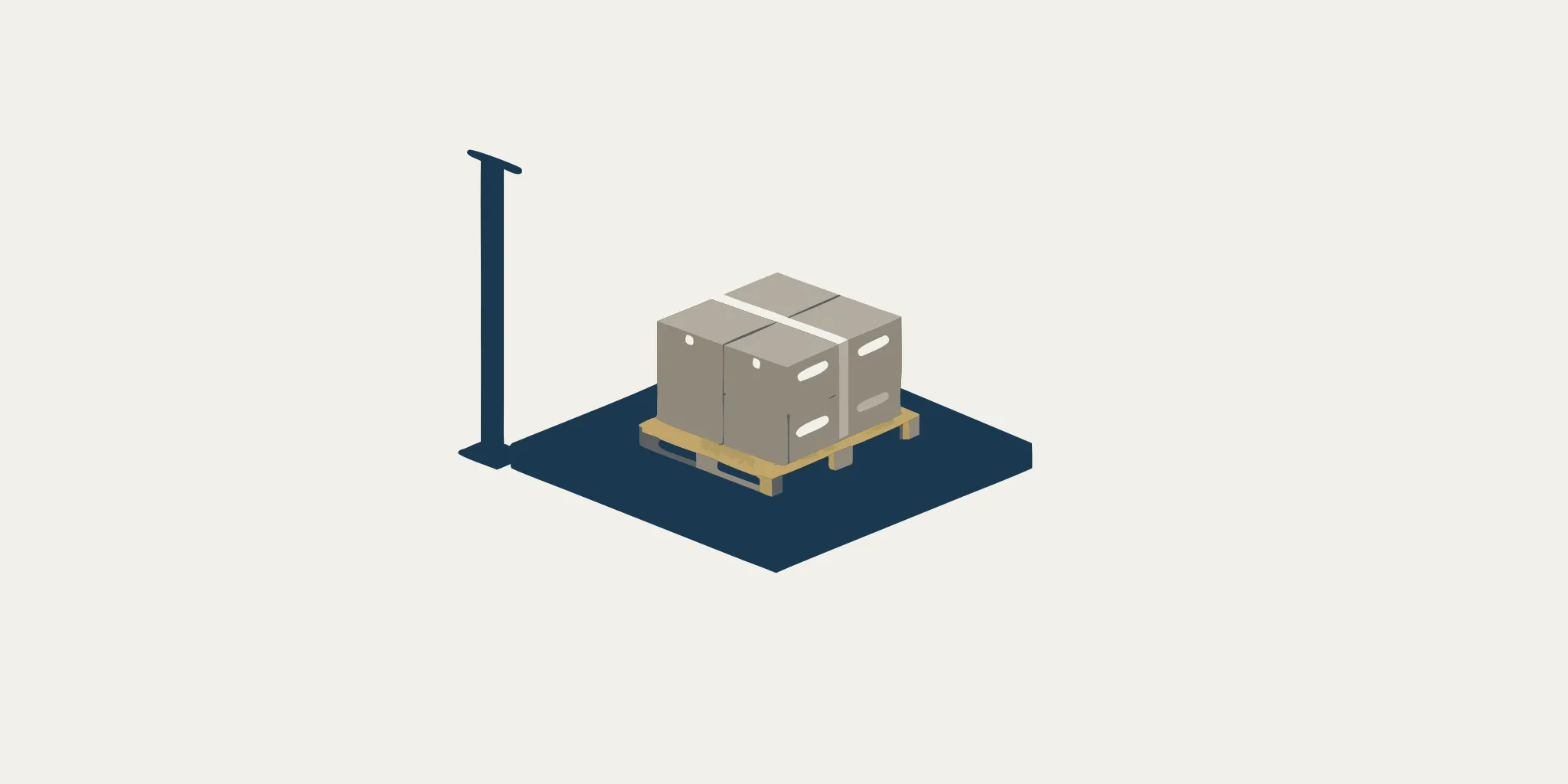
If you’ve ever tried to weigh something large, heavy, or awkwardly shaped, you know that a standard scale just won’t cut it. That’s where floor scales come in. Specifically designed for industrial and commercial environments, these scales are the workhorses of warehouses, shipping docks, and manufacturing plants. A floor scale for pallets is a large, flat platform scale that sits on the ground, built to handle the substantial weight and size of fully loaded pallets.
Instead of lifting heavy items onto a smaller scale, you can place them directly on the floor scale’s platform using a pallet jack or forklift. This simple function is essential for any business that deals with bulk goods. It allows you to get quick, accurate weights for shipping, receiving, and inventory management without the hassle or safety risks of other methods. These scales combine rugged construction with precise technology, giving you a reliable tool to keep your operations running smoothly and efficiently.
Anatomy of a Floor Scale
At first glance, a floor scale looks like a simple metal plate on the ground, but there’s more going on underneath. The main component is the weighing platform, a large, durable surface where you place the pallet. These platforms are often made of steel and feature a low-profile design, making it easy to roll pallet jacks on and off, especially if you add ramps.
Beneath the platform are the load cells. These are the sensors that actually measure the weight. A typical floor scale has four load cells, one in each corner, to ensure an accurate reading no matter where the load is placed on the platform. These cells convert the physical force of the weight into an electrical signal, which is then sent to a digital scale indicator. This indicator is the brain of the operation; it’s the display unit that shows you the final weight, usually in a clear, easy-to-read digital format.
Why Choose a Floor Scale Over Other Options?
When it comes to weighing pallets, floor scales are the clear winner for a few key reasons: efficiency, safety, and accuracy. Trying to weigh a pallet’s contents box by box is time-consuming and leaves room for error. A floor scale lets you weigh the entire pallet at once, saving valuable time during busy shipping and receiving periods. This streamlined process helps you manage inventory more effectively and get products out the door faster.
Safety is another major advantage. Floor scales eliminate the need for your team to lift heavy, bulky items onto a raised platform, reducing the risk of workplace injuries. The low-profile design makes loading and unloading with a pallet jack simple and secure. Plus, with their high capacity and precision, you can trust you’re getting accurate measurements every time. This accuracy is vital for calculating shipping costs, verifying order weights, and maintaining quality control across your entire shop.
Choosing Your Floor Scale: 5 Key Features
A floor scale is a significant investment, so you want to get it right the first time. With so many options out there, it’s easy to feel overwhelmed. The good news is that you can narrow down the choices pretty quickly by focusing on what really matters for your business. Thinking through a few key features will help you find a scale that not only meets your needs today but will also serve you well for years to come.
Before you start browsing, take a moment to consider these five essential points. Answering these questions will give you a clear picture of the perfect floor scale for your workspace, making the selection process much simpler. From the weight of your pallets to the layout of your floor, every detail helps point you toward the right equipment. Let’s walk through what you need to look for.
Check the Weight Capacity
First things first: how much weight do you need to handle? It’s tempting to just think about your average load, but you should always plan for your heaviest possible shipment. Industrial floor scales typically handle anywhere from 1,000 to 20,000 pounds, so there’s a wide range to choose from. A good rule of thumb is to select a scale with a capacity that’s slightly higher than the heaviest item you’ll ever need to weigh. This gives you a safe buffer and ensures you aren’t pushing the equipment to its absolute limit, which helps maintain accuracy and extend the life of the scale.
Find the Right Platform Size
Next, think about the footprint of what you’re weighing. The platform needs to be large enough to hold your items securely without anything hanging over the edges. An unstable load won’t give you an accurate reading and can be a safety hazard. Common platform sizes are 4×4 feet and 5×5 feet, which are perfect for standard pallets. Before you buy, measure the largest items you work with. Choosing the right platform size ensures every weigh-in is stable, safe, and precise, allowing your team to work efficiently without having to reposition pallets.
Demand Accuracy and Precision
In any business where weight matters, accuracy is non-negotiable. Whether you’re shipping products or portioning ingredients, you need to trust your scale’s readings. Look for scales with high-quality components, especially NTEP-approved load cells. This certification means the scale meets strict standards for accuracy and is “legal for trade,” which is a requirement in many commercial settings. Pairing your scale with reliable digital scale indicators also ensures you get clear, consistent readings every time, helping you maintain quality control and avoid costly errors.
Look for Durable Materials
Your floor scale is going to see a lot of action. From heavy pallets to the occasional bump from a forklift, it needs to be tough enough to handle the daily demands of a busy work environment. That’s why material quality is so important. Scales built from heavy-duty, painted steel are designed to resist wear and tear. At Penn Scale, we’ve been building durable weighing solutions for over a century, so we know what it takes. Investing in a well-built scale from the Penn Scale line means you’re getting a piece of equipment designed for longevity, not a temporary fix.
Consider Your Work Environment
Finally, take a look around your workspace. How will your team be using the scale? If you’re constantly moving heavy pallets with a forklift or pallet jack, a low-profile design can make a world of difference. These scales sit closer to the ground, making it much easier and safer to load and unload items without needing a separate ramp. Thinking about your team’s workflow will help you choose a scale that fits seamlessly into your operations. The right scale shouldn’t just be accurate; it should make your entire process smoother and more efficient.
Types of Floor Scales
Once you know the features you need, you can start looking at the different types of floor scales. While they all weigh heavy items, their designs are suited for specific tasks and environments. Think about how you’ll be moving pallets on and off the scale, where the scale will live, and how rough the conditions are. These factors will help you decide which type is the right fit for your workflow. Most models fall into one of three main categories: low-profile, heavy-duty, or portable.
Low-Profile Scales
Low-profile floor scales are designed for convenience and easy access. Their slim design means they sit very close to the ground, which is perfect for weighing pallets and other heavy items without needing a long ramp. This makes loading and unloading with a pallet jack much simpler and faster. Many businesses choose these scales to streamline their weighing process and reduce the physical effort required from their team. If your workspace is tight or you want the most straightforward loading experience, a low-profile model is an excellent choice.
Heavy-Duty Industrial Scales
When your work environment is demanding, you need a scale that can keep up. Heavy-duty industrial scales are built to withstand rigorous, daily use in tough settings like warehouses and manufacturing plants. These scales are ideal for weighing pallets and other large, bulky items with maximum durability and accuracy. Their robust construction ensures they can handle the bumps and heavy loads that are common in industrial applications. They are a versatile choice for any business that requires consistently reliable weight measurements for heavy objects.
Portable and Mobile Scales
If you need to weigh items in multiple locations throughout your facility, a portable floor scale offers the flexibility you need. These scales often feature a unique low-profile design combined with wheels or a lightweight frame, making them easy to move wherever the work is. Their mobility allows for flexible use in different areas, which can significantly improve your operational efficiency. Instead of bringing every pallet to a stationary scale, you can bring the scale to the pallet, saving time and effort for your team.
What to Look for in a Quality Floor Scale Brand
Once you know what features you need, you can start looking at specific brands. Different manufacturers are known for different strengths, from rugged durability to high-tech precision. As a master distributor for some of the best names in the business, we work with these brands every day and can vouch for their quality. Choosing a reputable brand ensures you get a reliable, accurate, and long-lasting scale that meets your operational demands. Here’s a look at what makes some of the top brands stand out.
Penn Scale’s Solutions
With a history stretching back to 1923, we know a thing or two about building scales that last. Our own line of Penn Scale products combines time-tested manufacturing techniques with modern technology to give you the best of both worlds. We focus on creating durable and dependable scales that you can count on day in and day out. Whether you need a classic mechanical scale or an NTEP Certified digital model for your food business, our products are designed for consistent, reliable performance. We build them to be workhorses in any commercial environment.
Ohaus Options
Ohaus is a brand synonymous with precision and quality. Their scales are trusted across a wide range of industries, from demanding industrial settings to precise laboratory environments. When you choose an Ohaus scale, you’re investing in advanced technology designed for exact measurements. They are built to withstand tough, continuous use, ensuring you get a long and reliable service life from your equipment. If accuracy is your top priority and you need a scale that can handle a rigorous workload, Ohaus offers some of the best options on the market.
CAS and A&D Weighing Features
For those who appreciate innovative design and straightforward operation, CAS and A&D Weighing are excellent choices. CAS scales often incorporate advanced load cell technology, which leads to better accuracy and stability when weighing heavy or shifting loads. A&D Weighing provides a diverse lineup of models tailored to specific tasks like parts counting or portion control. Both brands are known for creating durable, user-friendly scales that can easily handle heavy pallet weighing while offering the smart features that modern businesses need to stay efficient and productive.
Pennsylvania Scale Models
When your work environment demands a truly rugged scale, Pennsylvania Scale delivers. Their models, like the popular 6600 series, are built for exceptional durability. Featuring tough construction with full tube steel frames and heavy-duty diamond plate decks, these scales are made to endure the toughest conditions. Many Pennsylvania Scale models are also NTEP-certified, making them suitable for legal-for-trade applications where every measurement counts. Features like built-in overload protection give you extra peace of mind, ensuring your investment is protected from accidental damage.
Understanding Digital Indicators and Tech Features
The physical strength of a floor scale is only half the story. The technology inside is what translates raw weight into useful, accurate data for your business. A scale’s digital components, like its display and sensors, are critical for its performance and ease of use. When you’re comparing models, paying attention to these features will help you find a scale that not only handles your inventory but also fits seamlessly into your workflow. It’s easy to focus on the steel platform, but the tech is what makes a scale a truly powerful tool for your operations.
The brain of the operation is the digital scale indicator. This is the unit with the screen that displays the weight and allows you to access different functions like taring or switching units. Beyond the indicator, the internal load cells determine the scale’s accuracy, and its connectivity options dictate how well it can communicate with your other systems. Understanding these three elements, the display, the load cells, and the data options, is the key to choosing a scale that works as hard as you do. Getting these details right means faster weighing, fewer errors, and better data for your records, which ultimately impacts your bottom line.
LCD vs. LED: Which Display Is Best?
The type of display on your scale’s indicator might seem like a small detail, but it directly affects readability in your work environment. The two main types are LCD (Liquid Crystal Display) and LED (Light Emitting Diode). LED displays are typically very bright with high contrast, making them easy to read from a distance or in dimly lit areas like a warehouse backroom. You’ll often see accurate results appear on a clear LED monitor in either pounds or kilograms.
LCD screens, on the other hand, perform well in bright conditions and are more energy-efficient, which can be a plus for portable or battery-operated scales. The best choice really depends on where you plan to use the scale. Consider your lighting conditions to ensure your team can always read the measurements quickly and accurately.
The Importance of Certified Load Cells
At the heart of every digital scale are the load cells. These are the sensors that measure the force of the weight and convert it into an electrical signal. The quality of your load cells directly determines the accuracy and reliability of your scale. For commercial applications, especially where products are sold by weight, it’s essential to look for certified load cells.
Certifications like “NTEP Approved” mean the scale meets strict standards for accuracy set by the National Conference on Weights and Measures, making it legal for trade. Other marks, like OIML approval, indicate that it meets international standards. Using a scale with certified load cells gives you confidence that your measurements are precise, consistent, and compliant, protecting both your business and your customers.
Connecting Your Scale: Wireless and Data Options
In a modern business, a scale should do more than just weigh things; it should help you manage data. Many floor scales are designed to connect with other computer systems, printers, and software. This connectivity allows you to automatically record weights, print labels, and manage inventory without manual data entry, which saves time and reduces human error.
Features like a simple “Plug and Weigh” setup make it easy to get your scale up and running quickly. Whether you need a basic connection to a printer or a more advanced integration with your inventory management system, check the scale’s data output options (like RS-232 or USB ports). Choosing a scale from our shop with the right connectivity can significantly streamline your entire weighing process.
How Much Do Floor Scales Cost?
When you’re ready to buy a floor scale, one of the first questions you’ll have is about the price. The cost of a floor scale can vary quite a bit, ranging from under $1,000 to several thousand dollars. This price difference comes down to a few key factors: weight capacity, platform size, materials, and the technology included, like the digital indicator.
Think of it as an investment in your business operations. A lower-priced scale might be perfect for occasional use or lighter loads, while a more expensive, heavy-duty model is built to withstand the demands of a busy warehouse for years to come. Understanding the different price tiers will help you find a scale that fits your workflow and your budget without sacrificing the accuracy your business depends on. Let’s break down what you can expect at each level.
Budget-Friendly Options
If you’re just starting out or have lighter weighing needs, you can find reliable floor scales that won’t break the bank. Prices for entry-level models typically start around $700. These scales are great for businesses that need to weigh items occasionally or handle loads that aren’t excessively heavy. While they are more affordable, they are still designed for commercial use and offer the accuracy you need for basic inventory management or shipping tasks. At this price point, you’ll find standard platform sizes and capacities that are more than enough for many small businesses, delis, or workshops.
Mid-Range Professional Models
For businesses with more consistent weighing needs, mid-range professional scales offer a great balance of performance and price. These models are often found in busy shipping departments, warehouses, and production facilities. You can expect to find common platform sizes like 4×4 feet or 5×5 feet, with weight capacities typically ranging from 5,000 to 10,000 pounds. These scales are built for daily use and often feature more durable construction and more advanced digital scale indicators compared to budget options. They are the workhorses of many industries, providing dependable performance day in and day out.
Investing in a Heavy-Duty Scale
When your operations involve very heavy loads or harsh industrial environments, investing in a heavy-duty scale is the right move. These scales are built to last, often featuring reinforced steel platforms and superior components to handle extreme weights and frequent use. Capacities for these models can range from 10,000 pounds to over 20,000 pounds, making them perfect for weighing large pallets, crates, and machinery. While they represent a larger upfront cost, their durability and unwavering accuracy provide a strong return on investment by preventing costly errors and minimizing downtime for repairs or replacements.
Who Uses Floor Scales?
Floor scales are workhorses in so many industries, it’s hard to imagine getting by without them. From the factory floor to the restaurant kitchen, they provide the accurate weight data businesses need to operate efficiently, safely, and profitably. If you’re handling bulk goods, shipping pallets, or managing large inventories, a floor scale is an essential tool. Let’s look at some of the key industries that rely on these scales every single day.
Manufacturing and Production
In any manufacturing setting, precision is everything. Floor scales are fundamental for weighing raw materials before production and verifying the weight of finished goods before they ship out. This ensures product consistency and quality control. Accurate measurements are also critical for maintaining production efficiency and complying with industry regulations. Using a heavy-duty industrial floor scale to weigh pallets of components or final products helps manufacturers keep their processes streamlined and their records exact, which is vital for inventory management and cost control.
Warehousing and Distribution
Logistics is a game of numbers, and weight is one of the most important ones. Warehouses and distribution centers use floor scales constantly for shipping and receiving. When a pallet of goods arrives, it’s weighed to confirm the shipment is correct. Before a pallet goes out, it’s weighed to calculate shipping costs and ensure it meets carrier limits. The speed and ease of weighing pallets with an industrial floor scale are crucial in these fast-paced environments. This process supports accurate inventory management and keeps the entire supply chain moving smoothly.
Food Service and Restaurants
While you might picture smaller countertop scales in a kitchen, larger food service operations rely heavily on floor scales. Think about a large restaurant, caterer, or food production facility receiving bulk ingredients like 50-pound bags of flour or crates of produce. Floor scales are used in the receiving area to verify these shipments and manage inventory. Low-profile designs with ramps make it easy to roll carts on and off, streamlining the process. These accurate measurements are essential for cost control, recipe consistency, and complying with health and safety regulations. Many businesses in this sector depend on reliable restaurant scales for their daily operations.
Pharmaceuticals and Construction
In industries where mistakes can have serious consequences, accuracy is non-negotiable. The pharmaceutical sector uses floor scales for precisely measuring bulk ingredients for medications, where even a small error can be critical. In construction, scales are used to weigh building materials like bags of cement or steel components to ensure structural integrity and safety on the job site. Both fields require scales that are not only precise but also durable enough to handle demanding environments. Specialized models and clear digital scale indicators are often necessary to meet strict regulatory and safety standards.
Installing and Maintaining Your Floor Scale
Once you’ve invested in a quality floor scale, the next step is setting it up for success. Proper installation and regular maintenance are the keys to getting accurate readings and extending the life of your equipment for years to come. A little bit of care goes a long way in protecting your scale from common issues and ensuring it remains a reliable tool for your business. Taking these steps will help you get the most out of your scale, whether you’re weighing ingredients in a commercial kitchen or pallets in a busy warehouse.
Find the Right Spot: Placement and Space
Where you place your floor scale matters just as much as the scale itself. Always install it on a completely flat, level, and stable surface. An uneven floor can throw off your readings from day one. It’s also smart to find a spot away from heavy vibrations, like those from large machinery, and areas with extreme temperature swings. These environmental factors can interfere with the sensitive internal components and affect accuracy. Taking a few extra minutes to find the perfect location for your restaurant scales or industrial models will save you a lot of headaches later on.
Create a Maintenance and Calibration Schedule
Over time, even the most dependable scales can drift from their original settings. That’s why establishing a routine maintenance and calibration schedule is so important. Think of it as a regular check-up for your equipment. Your schedule can be simple: daily visual inspections for damage, weekly cleaning, and monthly or quarterly calibration tests to confirm accuracy. Documenting these checks helps you stay on top of performance and catch small problems before they become big ones. Consistent care ensures your Penn Scale models continue to deliver the precision your business relies on.
Protecting Load Cells and Cables
The load cells are the heart of your floor scale, and they need protection from physical damage. Two of the biggest culprits are forklifts and shock loading. Bent legs from rough forklift handling are a common and costly issue. To prevent this, create clear pathways around the scale and train your team on careful operation. Shock loading, which happens when a heavy load is dropped onto the platform, can permanently damage the load cells. Gently placing pallets is crucial. Also, be mindful of the cables connecting to your digital scale indicators, ensuring they are tucked away and protected from traffic.
Avoiding Common Floor Scale Problems
Even the most durable floor scale needs a little care to perform its best. Most issues are preventable with a bit of planning and team training. By addressing common problems before they start, you can protect your investment, ensure accurate readings, and keep your operations running smoothly. Let’s walk through the most frequent challenges and how you can get ahead of them.
Prevent Damage from Forklifts and Shock Loading
In a busy warehouse, it’s easy for equipment to take a beating. One of the quickest ways to damage a floor scale is with a forklift, often leading to bent legs that can compromise the scale’s accuracy. Another common issue is shock loading, which happens when a heavy pallet is dropped onto the platform instead of being placed gently. This sudden impact can permanently damage the sensitive load cells inside.
To avoid this, train your forklift operators to approach the scale slowly and carefully lower pallets onto the center of the platform. Mark the floor around the scale with bright, visible tape to create a clear zone. This simple visual cue reminds everyone to be mindful when working nearby. Investing in durable bench scales for smaller tasks can also reduce wear on your main floor scale.
Manage Environmental Factors to Maintain Accuracy
Have you ever noticed your scale giving inconsistent readings? The problem might not be the scale itself but its surroundings. Environmental factors like temperature swings, drafts from open doors, and even vibrations from nearby machinery can interfere with a scale’s precision. An unstable or unlevel floor can also throw off your measurements.
Find a home for your scale on a flat, solid surface away from heavy traffic and equipment that vibrates. Try to keep it clear of areas with significant temperature changes, like loading docks or large heaters. Keeping your scale clean is also crucial. Dust, debris, and moisture can build up and affect performance over time. A regular cleaning routine helps maintain reliable performance and extends the life of your restaurant scales and other equipment.
Train Your Team on Proper Use
Your team is your first line of defense against scale problems. Proper training ensures everyone understands how to use the equipment correctly and safely, preventing the most common user errors. Simple mistakes like improper handling, misalignment of pallets, or consistently overloading the scale can lead to costly damage and inaccurate weights.
Create a clear set of best practices for your team to follow. This should include how to place items on the scale, the importance of not exceeding the weight capacity, and who to contact if they notice an issue. Routine calibration should also be part of your process. When your team understands how to care for the equipment, they become active partners in maintaining its accuracy and longevity. This commitment to quality is why so many businesses rely on trusted brands like Penn Scale for their weighing needs.
Related Articles
- Low Profile Platform Scale – Pennsylvania Scale 6900 | Penn Scale
- Pennsylvania Scale 6600 Heavy Duty Floor Scale – Shop Now | Penn Scale
- U6600 Series Low-Profile Bulk Container Scale – Penn Scale
- SS6600 Max-LT Floor Platform Scale – Penn Scale
- 7600 Bench Count and Weigh Scale – Penn Scale
Frequently Asked Questions
What’s the first thing I should figure out before buying a floor scale? Before you even start looking at models, you need to know two things: the heaviest load you’ll ever weigh and the dimensions of your largest pallet or item. It’s best to choose a scale with a capacity slightly higher than your maximum weight to avoid straining the equipment. Knowing your item’s footprint ensures you pick a platform size that is large enough to hold everything securely for a safe and accurate measurement.
Do I really need a ‘legal for trade’ or NTEP-certified scale? If your business sells products based on their weight, then yes, you almost certainly need an NTEP-certified scale to comply with legal standards. This certification guarantees the scale meets strict accuracy requirements. For internal tasks like checking inventory or monitoring production, it isn’t a legal requirement, but choosing a certified scale still gives you the confidence that you’re working with a precise and reliable piece of equipment.
How can I make my floor scale last longer? The best way to extend your scale’s life is through proper placement and careful use. Install it on a solid, level surface away from heavy vibrations or extreme temperature changes. More importantly, train your team to gently place pallets on the platform instead of dropping them, as sudden impacts can damage the internal sensors. A simple routine of keeping the scale clean and getting it calibrated regularly will also go a long way.
Is a more expensive, heavy-duty scale really worth the investment? It all comes down to your work environment and volume. For a business that weighs a few pallets a day in a clean environment, a standard model is often sufficient. However, if your scale will be used constantly in a demanding setting with heavy forklift traffic and very heavy loads, a heavy-duty model is a smart investment. Its rugged construction prevents damage, reduces downtime, and saves you money on repairs and replacements in the long run.
My scale’s readings seem inconsistent. Is it broken? Not necessarily. Before calling for service, check its surroundings. An unlevel floor is a common cause of inaccurate readings, so make sure the scale is on a perfectly flat surface. Vibrations from nearby machinery, strong air currents from open doors, or even significant temperature shifts can also interfere with the sensitive load cells. Addressing these environmental factors often solves the problem and restores your scale’s precision.