6 Types of Small Scale Food Processing Equipment
Find out which small scale food processing equipment you need to start or grow your food business, with tips on choosing the right tools for your workflow.

There comes a point where you simply can’t chop, mix, or portion any faster by hand. This is the moment your growth depends on upgrading your tools. The right equipment frees you from repetitive, labor-intensive tasks, allowing you to focus on developing new recipes, connecting with customers, and managing your business. It’s the key to producing more in less time without sacrificing quality or burning out. This guide will introduce you to the essential small scale food processing equipment that can streamline your workflow, improve your output, and prepare your business for its next stage of growth.
Key Takeaways
- Start with a Clear Plan: Before you buy anything, map out your production needs, assess your available space, and set a realistic budget to choose equipment that truly supports your business.
- Focus on Precision to Protect Profits: Accurate equipment, especially weighing scales, is essential for controlling costs. Precise measurements reduce ingredient waste and ensure the consistent quality that builds customer trust.
- Protect Your Equipment for Long-Term Value: Get the most from your investment by choosing durable tools from reputable brands and establishing a simple maintenance plan for cleaning and care. This prevents costly downtime and extends the life of your machinery.
The Essential Equipment for Small-Scale Food Processing
Turning a beloved recipe into a sellable product is an exciting step, but it requires more than just a great idea. To produce food safely, consistently, and efficiently, you need the right set of tools. Equipping your small-scale operation is about building a foundation for growth. The right machinery helps you move beyond the limitations of a home kitchen, where output is small and results can vary. It allows you to scale up production while maintaining the quality your customers expect. From preparing your raw ingredients to packaging the final product, each piece of equipment plays a vital role in your workflow, transforming a hobby into a legitimate business.
Investing in specialized equipment isn’t just about speed; it’s about precision, safety, and professionalism. Consistent portion sizes, uniform textures, and secure packaging all contribute to a better product and a stronger brand. Think of this equipment as your team of tireless assistants, handling the repetitive and labor-intensive tasks so you can focus on perfecting your craft and growing your business. Below, we’ll walk through the essential categories of equipment that form the backbone of most small-scale food processing businesses. Understanding what each tool does will help you build a setup that fits your specific needs and budget.
Grinding and Milling Equipment
If your product involves breaking down ingredients into a finer, more uniform texture, grinding and milling equipment is a must. This category includes everything from industrial meat grinders perfect for making sausages and burgers to mills that can turn whole grains into flour. The goal is to achieve a specific consistency that you can’t get by hand. For example, a commercial grinder ensures your ground meat has the right fat-to-lean ratio in every batch, while a good mill gives you control over the coarseness of your spices or flours. This equipment is the first step in creating a consistent base for products like pâtés, nut butters, and specialty doughs.
Mixing and Blending Machines
Consistency is key in food production, and mixing equipment is what gets you there. These machines are designed to blend ingredients more thoroughly and evenly than you ever could by hand. Whether you’re making large batches of dough, combining spices for a signature rub, or creating a perfectly emulsified sauce, a commercial mixer is essential. Modern mixers often come with programmable settings, allowing you to replicate your process perfectly every time. They are also designed for easy cleaning, which is a critical factor in preventing cross-contamination and maintaining food safety standards in a professional environment.
Cutting and Slicing Tools
Precise cuts not only make your product look more professional but also ensure it cooks evenly and is portioned correctly. While a sharp knife is always necessary, specialized cutting and slicing equipment takes your efficiency to the next level. Think of deli slicers that produce perfectly uniform slices of meat and cheese, or dicers that cube vegetables in seconds. For businesses working with frozen products, some machines can even cut through frozen blocks of meat, preparing them for grinders or other processing equipment. Investing in these tools saves an incredible amount of labor and helps you create a consistent, high-quality final product.
Dehydrating and Drying Equipment
Dehydrators open up a whole new world of product possibilities by removing moisture from food. This age-old preservation technique makes items shelf-stable, reduces waste, and concentrates flavor. With a commercial dehydrator, you can create popular products like beef jerky, dried fruit snacks, vegetable chips, or powdered seasonings. Unlike a conventional oven, a dehydrator uses low, consistent heat and air circulation to dry food evenly without cooking it. This process helps you turn perishable produce into a profitable product with a long shelf life, giving you more flexibility with inventory and sales.
Packaging and Sealing Machines
Your product’s packaging is the first thing a customer sees, but it does more than just look good. It’s your primary tool for preserving freshness, ensuring safety, and extending shelf life. Packaging equipment can range from simple heat sealers to more advanced vacuum packaging machines. Vacuum sealing is especially popular for small producers because it removes air from the package, which slows down spoilage and protects the food’s flavor and texture. Proper packaging also provides a professional canvas for your branding and the necessary space for labels with ingredients and nutritional information, which are often required by law.
Weighing and Portioning Systems
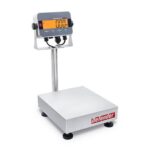
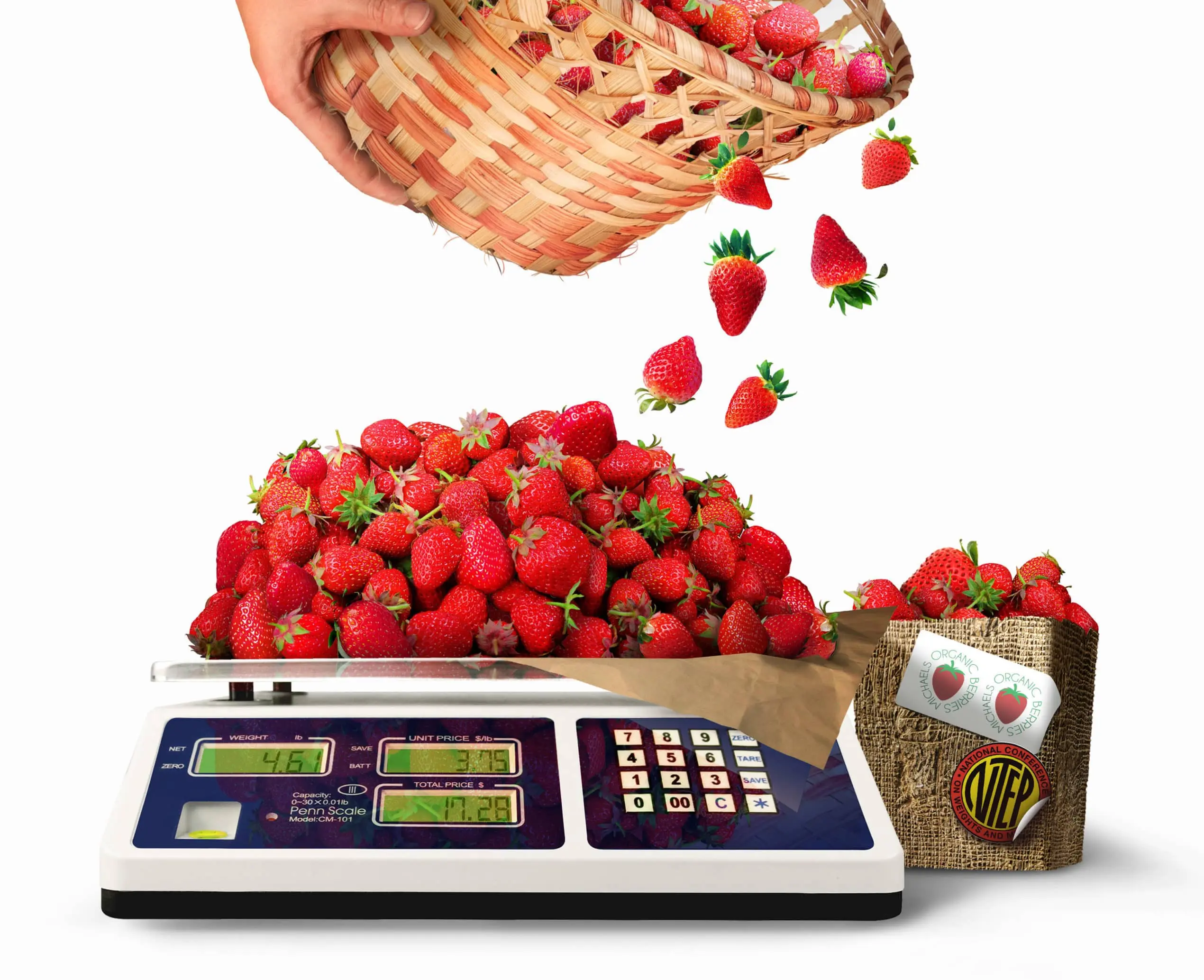
Of all the equipment in your facility, nothing impacts your bottom line quite like your scales. Accurate weighing and portioning systems are critical for controlling costs, ensuring consistency, and pricing your products profitably. Every gram you give away for free eats into your profit margin. Using precise restaurant scales for portioning or durable bench scales for batching ingredients ensures that every product is identical and that your recipes are followed to the letter. Investing in a reliable, certified scale is a strategy that pays for itself by reducing waste and guaranteeing you’re running a profitable business.
Why Invest in Small-Scale Food Processing Equipment?
When you’re launching or growing a food business, it’s easy to get overwhelmed by images of massive, industrial kitchens. But you don’t need a factory-sized setup to create a successful product. Investing in small-scale food processing equipment is a strategic move that helps you build a strong foundation for your business. It’s about working smarter, not harder, and making deliberate choices that set you up for long-term success. This approach allows you to professionalize your operations from day one without taking on massive debt or risk.
The right equipment acts as your most reliable employee. It performs tasks with precision every single time, freeing you up to focus on developing new recipes, connecting with customers, and growing your brand. From ensuring every bag of granola weighs exactly the same to mixing your signature sauce to the perfect consistency, these tools bring professionalism and predictability to your production process. This initial investment pays for itself through improved efficiency, higher quality products, and the flexibility to grow at your own pace. It’s the difference between a hobby and a scalable business.
Improve Efficiency and Save Energy
Using the right tools for the job is the fastest way to make your production process more efficient. Think about the time spent manually measuring ingredients versus using a precise restaurant scale. The scale not only speeds up the process but also guarantees consistency and reduces ingredient waste, which directly saves you money. Efficient equipment often uses less energy than larger, industrial counterparts, lowering your utility bills. By streamlining your workflow, you can produce more in less time, giving you the capacity to take on more orders without burning out.
Start Smart: Lower Costs and Risks
Jumping into a new business venture comes with enough financial uncertainty. You don’t need to add the pressure of a massive equipment loan right from the start. Small-scale equipment has a much lower entry cost, which significantly reduces your financial risk. This approach allows you to test your business model, refine your recipes, and build a customer base before committing to a larger investment. Starting small gives you the breathing room to learn and adapt, ensuring your business is on solid ground before you decide to expand your operations. You can find a wide range of affordable, high-quality tools in our shop to get started.
Maintain Food Safety and Quality
Your customers trust you to provide them with a product that is both delicious and safe. Using dedicated food processing equipment is fundamental to upholding that trust. Professional tools are designed for easy and thorough cleaning, which helps you meet health standards and prevent cross-contamination. Beyond safety, equipment like our durable mechanical kitchen scales ensures every batch you make is consistent. When your product tastes the same every time, you build a reputation for quality and reliability that keeps customers coming back for more.
Grow and Adapt with Versatile Tools
The best small-scale equipment grows with your business. Many tools are designed to be versatile, serving multiple functions within your production line. For example, a reliable bench scale can be used for measuring raw ingredients, portioning finished products, and even weighing packages for shipping. This adaptability means you can introduce new products or change your processes without having to buy a whole new set of equipment. Choosing versatile tools from the beginning gives you the agility to respond to market changes and explore new opportunities with confidence.
How to Choose the Right Equipment for Your Business
Picking the right equipment for your business can feel like a huge decision, but it doesn’t have to be stressful. When you know what to look for, you can confidently choose tools that will help your business run smoothly and grow. It’s all about breaking the process down into a few manageable steps. Before you start browsing, take some time to think through exactly what you need, how much you’ll be producing, what your budget looks like, and which features are non-negotiable.
Thinking through these key areas first will save you time and prevent you from buying something that isn’t a good fit. The goal is to find reliable equipment that works for you, not the other way around. By focusing on your specific business goals, you can filter through the options and find the perfect tools. Whether you’re just starting or looking to upgrade, a clear plan will guide you to the best investment for your future. You can start by exploring a wide shop selection to get an idea of what’s available.
Define Your Processing Needs
First things first, let’s get clear on what you actually need your equipment to do. Make a list of every step in your production process, from preparing raw ingredients to packaging the final product. Do you need to grind spices, mix batters, slice meats, or precisely portion finished goods? Each of these tasks requires a different type of tool. For example, a bakery needs accurate kitchen scales for ingredients, while a deli relies on slicers and portioning scales. Getting specific about your daily operations will help you identify the exact equipment that will make your workflow more efficient and your products more consistent.
Assess Your Production Volume and Space
Next, think about your production scale and physical workspace. Are you a small-batch artisan making a few dozen items a day, or are you aiming for hundreds? Starting with smaller equipment can be a smart move; it lowers your initial investment and risk while you refine your process. Measure your available counter and floor space to make sure any new equipment will fit comfortably without creating a cluttered or unsafe environment. Your production volume will determine the capacity you need. For instance, a small coffee roaster might only need a simple countertop scale, while a growing food business may require a more robust bench scale to handle larger quantities.
Plan Your Budget and Total Cost
Now, let’s talk about money. It’s important to create a realistic budget before you start shopping. Remember to look beyond the sticker price and consider the total cost of ownership, which can include shipping, installation, and potential maintenance. While some equipment can be purchased as a single unit, other systems might have different components you need to buy. Focus on finding the best value for your money, which means balancing cost with quality. Investing in durable, reliable equipment from a trusted manufacturer like Penn Scale often pays off in the long run by reducing repair costs and downtime.
Key Features to Look For
Finally, create a checklist of essential features. High-quality equipment should help you work efficiently, reduce waste, and maintain food safety standards. For weighing systems, accuracy is everything. Look for scales that give you precise measurements every time to ensure product consistency and control costs. Durability is also critical, especially in a busy commercial environment. Consider features like easy-to-read digital scale indicators, stainless steel construction for easy cleaning, and the flexibility to handle different tasks. Choosing equipment with the right features will help you maintain quality and keep your customers happy.
What’s the Real Cost of Food Processing Equipment?
Figuring out the budget for your food processing equipment can feel like a huge task. The price tags you see online are just the beginning. The “real cost” includes not only the initial purchase but also shipping, installation, training, and ongoing maintenance. Thinking about the total cost of ownership from the start helps you make a smarter investment that pays off in the long run.
Costs can range from a few hundred dollars for a single machine to tens of thousands for a complete processing line. It all depends on your business goals, production volume, and the specific functions you need. Let’s break down what you can expect at different levels so you can plan your budget with confidence.
Entry-Level Costs
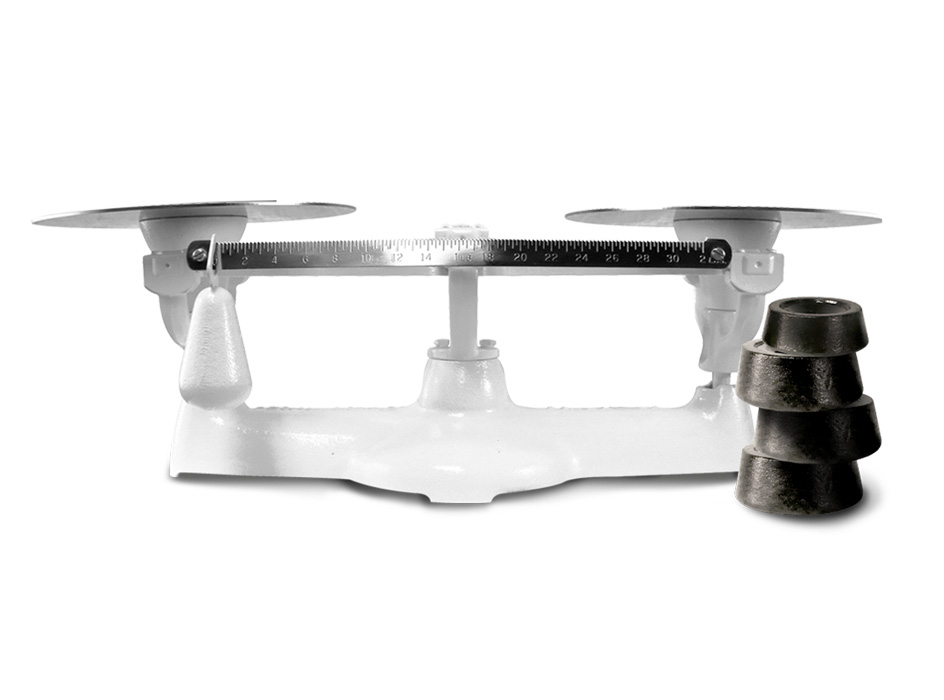
When you’re just starting out, you don’t need to buy a full suite of industrial machinery. You can begin with a few essential, high-quality pieces. For many small-scale operations, this might mean a single grinder, mixer, or a reliable scale. You can find individual machines for a few hundred dollars, which is a great way to get started without a massive upfront investment. Keep in mind that some suppliers have a minimum order quantity, but for core functions like portioning, focus on getting one durable tool. A dependable mechanical kitchen scale is a perfect example of an affordable, long-lasting tool that ensures consistency from day one. Starting small allows you to test your processes and expand your equipment lineup as your business grows.
Mid-Range and Professional Costs
As your business grows, you’ll need equipment that can handle higher volumes and offer more efficiency. This is where mid-range and professional-grade machines come in. For example, a commercial vegetable cutter might cost around $350 to $500, while a more specialized machine like a peanut butter grinder could be over $1,200. These prices reflect more powerful motors, durable construction, and features designed for a professional setting. Instead of hand-portioning, you might upgrade to a digital restaurant scale that offers greater precision and speed. While the initial cost is higher than entry-level options, the return comes from increased output and better consistency. This is the sweet spot for many growing food businesses looking to scale their operations.
High-End Commercial Costs
For established businesses with high production demands, high-end commercial equipment is a necessary investment. These machines are built for continuous, heavy-duty use and often come with advanced features and automation. The upfront cost is significant, but so is the return on investment. The key to making a wise high-end purchase is to think about long-term value. Regular inspections and timely repairs can add years to a machine’s life, preventing costly failures. A top-tier bench scale integrated with a digital system, for example, provides unmatched accuracy that reduces product waste and ensures compliance. This equipment is an investment in your business’s future, providing reliability and efficiency that directly impacts your bottom line.
How to Find Deals and Financing
Getting the right equipment doesn’t always mean paying the full sticker price upfront. A great first step is to work with a supplier who takes the time to understand your specific needs. Some companies will consult with you to assess your facility and goals, then recommend the right machines for your budget. This guidance can prevent you from overspending on features you don’t need. Look for master distributors who offer a wide selection of brands and models, as they often have access to better pricing and can bundle equipment to save you money. Don’t be afraid to ask about financing options or refurbished equipment. By being a savvy shopper and working with a trusted partner, you can equip your business for success.
Common Pitfalls When Choosing Equipment (And How to Avoid Them)
Choosing the right equipment is a huge step, but it’s easy to make a misstep when you’re juggling so many priorities. Knowing the common pitfalls can help you sidestep them entirely. Let’s walk through some of the most frequent mistakes I see small businesses make and, more importantly, how you can avoid them to set your operation up for success from the start.
Working with a Tight Budget
When you’re starting out, every dollar counts, and it’s tempting to just buy the cheapest equipment you can find. The problem is, the lowest price tag often comes with hidden costs like frequent repairs, lower efficiency, and a shorter lifespan. Instead of focusing only on the initial price, think about the total cost of ownership. A slightly more expensive but durable machine from a reputable brand can save you a fortune in the long run. Create a realistic budget that prioritizes value and reliability. This strategic approach helps you compete effectively without breaking the bank on day one.
Dealing with Limited Space and Regulations
It’s a classic mistake: you find a great deal on a piece of equipment, only to realize it doesn’t fit in your workspace or meet local health codes. Before you add anything to your cart, measure your available space carefully. Think about workflow, too. Will there be enough room for your team to operate the machine safely and efficiently? At the same time, research the specific food safety regulations for your area. Investing in modern, compliant equipment like compact bench scales not only ensures you pass inspections but also improves your overall efficiency and safety, protecting your brand’s reputation.
Planning for Training and Maintenance
That shiny new machine won’t do you much good if no one knows how to use it properly or if it breaks down after a few months. A surprising number of businesses overlook the need for training and maintenance. When you purchase new equipment, immediately create a plan for both. Schedule time to train your staff on correct operation and safety procedures. Then, establish a simple schedule for regular cleaning and inspections. This proactive approach can add years to your equipment’s service life, preventing unexpected failures and costly downtime that can halt your production.
Seeing Past Common Equipment Myths
One of the most dangerous myths in food processing is that you can cut corners on sanitation to save money. In reality, investing in hygienically designed equipment is non-negotiable. Machines that are difficult to clean can become breeding grounds for bacteria, putting you at risk for contamination and serious food safety violations. Prioritize equipment made from food-grade materials with smooth, accessible surfaces. This not only makes cleaning more efficient but also demonstrates a commitment to quality that customers trust. Choosing the right restaurant scales and tools is a direct investment in your food safety and brand integrity.
How to Maximize Your Equipment Investment
Buying new equipment is a major step for your business. It’s more than just a line item on your expense report; it’s an investment in your efficiency, your product quality, and your future growth. Once you’ve made that purchase, the goal is to make it last as long as possible and perform reliably every single day. Getting the most out of your equipment isn’t about luck. It’s about having a smart strategy from the very beginning.
A thoughtful approach will help you avoid the stress of unexpected breakdowns and the hidden costs of frequent repairs or replacements. By focusing on a few key areas, you can protect your investment and ensure your machinery remains a valuable asset, not a recurring headache. It starts with choosing the right tools for the job, continues with consistent care, and pays off in the long run with a better return. Let’s walk through the three essential steps to make your equipment work harder and last longer for you.
Choose Durable Equipment from Trusted Brands
The best way to ensure a long life for your equipment is to start with quality. While a lower price tag can be tempting, it often comes with hidden costs in the form of repairs, downtime, and inaccurate results. As industry experts note, “Food processing equipment can hinder or help food manufacturers, depending on the quality of the equipment they use.” Investing in durable equipment from trusted brands ensures reliability and efficiency in your operations from day one. Look for suppliers with a long history and a reputation for building things that last. A well-made machine from a company that stands by its products, like our own Penn Scale line, is an investment in your peace of mind.
Establish a Maintenance and Safety Plan
Once you have quality equipment, the next step is to take care of it. You don’t need to be a certified technician, but a simple and consistent care routine can make a world of difference. “Regular inspections, timely repairs, and part replacements can add years to a piece of equipment’s service life,” preventing premature failure and costly replacements. Your maintenance plan can be as simple as daily cleaning, weekly calibration checks, and storing the equipment properly. Keeping a log of these small actions helps you stay on track and spot potential issues before they become major problems. Working with a company that has a long-standing history means you’re investing in a partnership with a reliable resource for parts and service down the road.
Get the Best Return on Your Investment
Ultimately, maximizing your investment is about getting the best possible performance for the lowest total cost over the equipment’s lifetime. This is your return on investment (ROI). It’s not just about the initial purchase price; it’s about the day-to-day reliability and longevity you get from your tools. With the right “preventive maintenance approach, smart usage strategies, repair practices, and lifecycle management, you can drastically extend the life of your equipment.” When you combine a smart initial purchase with a commitment to regular care, you create a recipe for success. Your equipment will perform accurately for years, helping you maintain quality and control costs, which is the best return any business owner could ask for. Investing in versatile tools like bench scales that can handle multiple tasks is another great way to see a strong return.
Related Articles
- Mechanical Kitchen Scales – Shop Now | Penn Scale
- Stainless Steel Scoop – Great for Food Industry | Penn Scale
- Butcher Scales – Precision Meat Weighing | Penn Scale
- Butcher Scales For Sale – Shop Now | Penn Scale
- Scales – Penn Scale
Frequently Asked Questions
I’m on a tight budget. What’s the one piece of equipment I should prioritize? If you can only invest in one key piece of equipment at the start, make it a high-quality, accurate scale. It might not be the most exciting purchase, but it’s the foundation of a profitable food business. A reliable scale ensures your ingredient measurements are consistent, which keeps your product quality high. More importantly, it allows for precise portioning, which prevents you from giving away product and losing money on every sale. It’s the single tool that has the most direct impact on your costs and consistency.
Should I buy new or used equipment to save money? Buying used equipment can seem like a great way to cut costs, but it comes with risks. You often don’t know the machine’s history, it may lack a warranty, and finding replacement parts can be difficult. Instead of focusing only on the initial price, consider the long-term value. Investing in new, durable equipment from a reputable supplier gives you reliability, a warranty, and the peace of mind that it will perform correctly from day one. Sometimes, the cost of a single breakdown on a used machine can be more than the savings you initially gained.
My workspace is tiny. How can I choose equipment that fits? Limited space is a common challenge, but it just requires smarter planning. Look for multi-functional equipment that can perform more than one task, which reduces the number of machines you need. Also, prioritize compact, countertop models over larger, floor-standing units whenever possible. Before buying, measure your space carefully and create a layout to ensure a safe and efficient workflow. A well-organized small space with the right tools is far more effective than a large, cluttered one.
You mention maintenance plans. What does a simple, realistic plan look like? A maintenance plan doesn’t need to be complicated. For most equipment, it comes down to three simple habits: clean it thoroughly after every use, perform a quick visual inspection weekly, and follow the manufacturer’s guidelines for any specific care. The weekly check might involve looking for loose parts, checking power cords for wear, and making sure everything sounds right during operation. For scales, it also means periodically checking their calibration. This simple routine takes very little time but can prevent major breakdowns and extend the life of your investment significantly.
With so many scales available, how do I choose the right one for my specific product? Choosing the right scale depends on what you’re weighing and where you’re weighing it. Think about your daily tasks. If you’re portioning ingredients or finished products like deli meats or coffee beans, a precise restaurant or portion control scale is ideal. If you’re measuring large batches of dough or heavy boxes of ingredients, a durable bench scale with a higher capacity is a better fit. Consider the environment, too. A wet or dusty area requires a scale built to withstand those conditions. Matching the scale’s features to your specific needs ensures you get the accuracy and durability you need to run your business well.