
Waterproof Scale IPX: A Guide to the Ratings
Find out what waterproof scale IPX ratings mean and how to choose the right water-resistant scale for your kitchen, restaurant, or industrial workspace.

We all know that water and electronics are a bad mix. But in a busy kitchen or industrial setting, keeping your scale perfectly dry is often impossible. The real question isn’t if your scale will get wet, but how wet it will get. Will it face light splashes, a daily spray-down, or even an accidental drop in a sink? This is where a waterproof scale ipx rating becomes your most important tool. It provides a clear, standardized measure of water resistance, helping you move beyond guesswork and choose a scale specifically designed to survive the realities of your workspace.
Key Takeaways
- Decode the IPX rating: This number is a clear guide to a scale’s water protection, from light splashes (IPX4) to full submersion (IPX7). Remember the “X” means it was not tested for dust, so for environments like bakeries, look for a full IP rating (like IP67).
- Choose a rating that fits your workspace: Don’t overpay for protection you do not need. A moderate rating (IPX4 or IPX5) is perfect for most kitchens, while high-traffic or washdown areas benefit from a higher rating like IPX7 for true peace of mind.
- Remember what an IPX rating does not cover: A high rating is not a guarantee against chemicals, steam, or high-pressure cleaning. For long-term reliability, also consider the scale’s construction, like stainless steel, and commit to regular care.
What is an IPX Rating and Why Does It Matter for Your Scale?
When you’re shopping for a new scale, especially for a busy kitchen or industrial space, you’ll see terms like “water-resistant” and “waterproof.” While helpful, these descriptions can be vague. This is where the IPX rating comes in. Think of it as a universal standard that tells you exactly how much exposure to water a piece of electronics, like one of our digital scale indicators, can handle.
Understanding this rating is crucial because it helps you match a scale to your work environment. A scale in a dry storage room has very different needs than one used in a fish market or a steamy commercial kitchen where splashes and daily wipe-downs are part of the routine. The IPX rating system removes the guesswork, giving you a clear, reliable measure of water protection so you can invest in a scale that will last. Choosing the right rating ensures your equipment functions accurately and safely, even when things get a little wet.
Decoding the IPX Waterproof Rating System
So, what do the numbers in an IPX rating actually mean? It’s simpler than it looks. The system uses a number from 0 to 9 to specify the level of protection against water. A lower number means less protection, while a higher number means more. For example, a scale with an IPX0 rating has no special water protection at all. On the other end of the spectrum, an IPX8 rating means the device can handle being completely submerged in water for an extended period. A common and very practical rating you’ll see is IPX7, which means a device can survive being submerged in up to one meter of water for 30 minutes. This makes it a great choice for environments where accidental drops into a sink or bucket might happen.
IPX vs. IP Ratings: What’s the Difference?
You might also see a rating that looks like “IP67” instead of “IPX7.” The difference is important, especially depending on your workspace. The “X” in an IPX rating is simply a placeholder, meaning the product was not tested for protection against solid particles like dust, dirt, or debris. The rating only tells you about its resistance to water. A standard IP rating, on the other hand, has two numbers. The first number rates protection against solids (on a scale of 0 to 6), and the second number rates protection against liquids. So, a scale with an IP67 rating is fully protected from dust (the “6”) and can be submerged in water (the “7”). If you work in a dusty environment like a bakery with flour in the air, you may want to look for a scale with a full IP rating.
Breaking Down the IPX Rating Scale: From IPX0 to IPX8
Understanding the IPX rating scale is the key to choosing a scale that will last in your work environment. Think of it as a spectrum of water protection, from none at all to fully submersible. Each level represents a specific type of exposure, so you can match a scale’s rating directly to the tasks you perform every day. Whether you’re dealing with light splashes in a bakery or full washdowns in a processing facility, knowing the difference between an IPX4 and an IPX7 will help you invest in the right equipment. Let’s walk through what each level means for you and your scale.
Light Protection: IPX0-IPX3
This initial tier covers scales with minimal to no water protection. A rating of IPX0 means the scale has no special defense against moisture. Moving up, IPX1 protects against vertically dripping water, like condensation, while IPX2 handles drips from a slight angle (up to 15 degrees). IPX3 is where you start to see protection from light water spray, like from a spray bottle, at angles up to 60 degrees. Scales in this range are best suited for dry environments where water exposure is rare and accidental. They might work on a coffee bar or a checkout counter, but they aren’t built for the back of a busy kitchen.
Moderate Protection: IPX4-IPX6
This is the most common and practical range for many food service and commercial environments. A scale with an IPX4 rating is protected from water splashing from any direction, making it a great fit for a food prep station where spills are common. Stepping up, IPX5 can withstand low-pressure water jets, meaning you can rinse it off with a hose nozzle. For more demanding cleaning, IPX6 protects against powerful water jets. This is ideal for environments that require regular, thorough washdowns. Many of the most reliable bench scales fall into this category, offering a perfect balance of durability and function for daily use.
High Protection: IPX7-IPX8
When you need the highest level of water protection, you’ll be looking at IPX7 and IPX8 ratings. An IPX7 rating means the scale can be fully submerged in up to one meter of water for 30 minutes. This is excellent for scales that might be accidentally dropped in a sink or need to be soaked for sanitation. The highest rating, IPX8, signifies protection against continuous submersion in water deeper than one meter, with the exact depth and duration specified by the manufacturer. These scales are built for the most extreme, wet conditions, such as fish markets or industrial food processing plants. Finding the right highly-rated scale means browsing a full shop selection to match the specific demands of your workspace.
How to Choose the Right IPX Rating for Your Scale
Now that you understand what the numbers mean, let’s get practical. The right IPX rating for your scale depends entirely on where and how you’ll be using it. A scale for a busy deli counter faces very different challenges than one used for weighing packages in a dry warehouse. Matching the rating to your environment is the key to ensuring your scale performs accurately for years to come.
For Kitchen and Food Service
In any food service environment, from a bakery to a bustling restaurant kitchen, cleanliness and durability are non-negotiable. Your scale will likely encounter splashes, spills, and frequent wipe-downs. For these settings, you’ll want a scale with a high IPX rating, typically IPX7 or IPX8. These ratings ensure the sensitive electronics are completely sealed and protected from water damage. An IPX8-rated scale can even handle being submerged, offering peace of mind during deep cleaning. Look for restaurant scales with stainless steel construction, as they are not only protected from moisture but are also easy to sanitize, helping you maintain food safety standards.
For Personal and Home Use
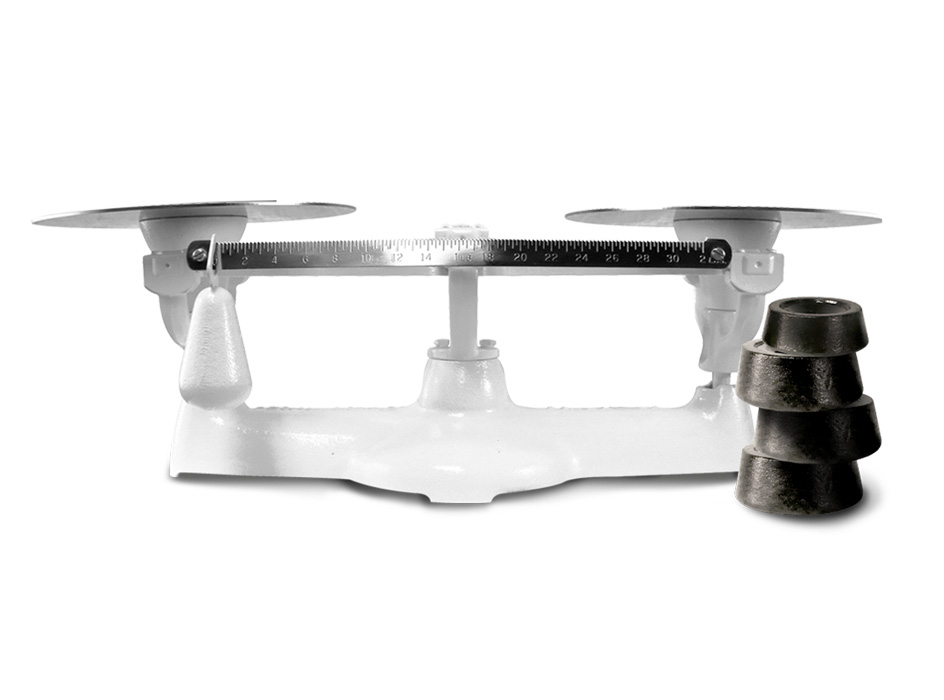
For your home kitchen, you probably don’t need a scale that can survive being dropped in a sink full of water. However, spills and splashes are still a reality. A scale with a moderate rating, like IPX4 or IPX5, is usually a great choice. This level of protection guards against splashes from any direction, so you won’t have to worry about an accidental spill from a mixing bowl or a wet countertop. These scales offer a fantastic balance of protection and affordability for everyday cooking and baking. Even simple mechanical kitchen scales benefit from a design that’s easy to wipe clean and resistant to moisture.
For Industrial and Outdoor Work
Industrial, agricultural, and outdoor environments demand the most rugged equipment. These workplaces often involve dust, debris, high-pressure water jets for cleaning, or exposure to the elements. An IPX6 rating is a solid starting point, as it protects against powerful water jets, making it suitable for equipment that needs to be hosed down. If your work involves a risk of the scale being temporarily submerged, like in fieldwork near water or in certain food processing plants, stepping up to an IPX7 rating is essential. Many durable bench scales are built with these high IPX ratings to withstand the toughest conditions and deliver reliable measurements day in and day out.
How Waterproof Scales Achieve Their IPX Ratings
Ever wonder what actually makes a waterproof scale, well, waterproof? It’s not a single coating or a simple trick. Achieving a specific IPX rating comes down to smart engineering and using the right materials to protect the scale’s sensitive internal parts from moisture. From the outer shell to the tiny sensors that do the actual weighing, every component is designed to form a barrier against water. This careful construction ensures your scale remains accurate and functional, even in demanding, wet environments like a busy kitchen, a fish market, or an industrial washdown area. Let’s look at the key design features that make this possible and give you confidence in your equipment.
Sealed Enclosures and Gasket Tech
The first line of defense for any waterproof scale is its housing. These scales are built with sealed enclosures designed specifically to prevent water from reaching the delicate electronics inside. Think of it as a protective bubble for the scale’s brain. To create a truly watertight seal, manufacturers use gaskets. These are typically flexible rings made of silicone or rubber that fit snugly into the seams where different parts of the enclosure meet, like the casing and the display panel. This gasket technology effectively blocks water from seeping through any potential gaps, ensuring the internal components stay dry and free from damage.
Corrosion-Resistant Construction
Keeping water out is only half the battle; the scale also needs to withstand the long-term effects of moisture. That’s where material choice comes in. High-quality waterproof scales are often made from durable, corrosion-resistant materials like stainless steel. This is crucial because constant exposure to water, humidity, and even cleaning solutions can cause lesser metals to rust and degrade over time, compromising the scale’s structure and accuracy. Using stainless steel helps the scale maintain its integrity and performance, which is essential for earning a high IP rating and providing reliable service for years. This makes them a perfect fit for many commercial restaurant scales.
Protected Displays and Platforms
Beyond the main body, other parts of the scale are also vulnerable to water. The digital display and the internal load cells, which are the sensors that measure weight, require special protection. The display is sealed to stop moisture from clouding the screen or shorting out the electronics. Similarly, the load cells are housed in their own sealed compartments to keep them completely dry. This is critical because any moisture affecting the load cells can lead to inaccurate readings. Protecting these key components ensures that your scale remains both reliable and easy to read, no matter how wet the conditions get.
Common Misconceptions About IPX Ratings
When you’re investing in a new scale, understanding what the specs actually mean for your daily work is key. IPX ratings can seem straightforward, but a few common misunderstandings can lead you to choose the wrong equipment. Let’s clear up some of the confusion so you can feel confident in your decision.
Waterproof vs. Water-Resistant: What’s the Real Difference?
Let’s get this sorted out right away. The terms “waterproof” and “water-resistant” are often used as if they mean the same thing, but in the world of electronics, they have very specific definitions. A scale’s IPX rating tells you exactly how much water it can handle. “Water-resistant” typically applies to lower ratings (IPX1-IPX5), meaning the scale can fend off drips, splashes, or light sprays.
“Waterproof” is reserved for higher ratings like IPX7, which means the device can be fully submerged in water up to one meter deep for 30 minutes without damage. So, while many of our restaurant scales are built to withstand a wet environment, “waterproof” doesn’t mean invincible. It means the scale is proven to resist water under very specific test conditions.
Why a Higher Rating Isn’t Always the Best Choice
It’s tempting to assume that the highest IPX number is always the best option, but that’s not always the case. Think of it this way: you wouldn’t use a sledgehammer to hang a picture frame. The same principle applies here. A scale in a dry bakery setting simply doesn’t need the same submersion-proof rating as one used on a fishing dock.
Choosing a scale with a rating that far exceeds your needs often means you’re paying for a level of protection you’ll never use. The smartest move is to match the IPX rating to your actual work environment. This ensures you get the durability you need without overspending. Also, remember that a high rating doesn’t eliminate the need for proper care. Regular cleaning and maintenance are still essential for keeping your scale accurate and reliable for years to come.
The Limits of Temperature and Pressure
An IPX rating gives you valuable information, but it doesn’t tell the whole story. The tests that determine these ratings are performed under controlled laboratory conditions, typically using clean, room-temperature water. The rating doesn’t automatically guarantee protection against other variables like high-pressure jets, steam, or extreme temperatures.
For example, spraying a scale with a high-pressure hot water hose could force moisture past seals, even if the scale has a high IPX rating. The test for that rating likely didn’t involve that combination of heat and pressure. That’s why it’s so important to consider your entire workspace. If you work in an environment with steam or require high-pressure washdowns, you should look for heavy-duty bench scales specifically built to handle those tougher conditions.
What an IPX Rating Doesn’t Cover
An IPX rating is a fantastic guide for understanding how well your scale can handle water, but it doesn’t tell the whole story. Think of it as one chapter in a book about your scale’s durability. Relying on it alone can lead to some unwelcome surprises if your work environment involves more than just water. To make sure you get a scale that truly lasts, it’s important to understand what an IPX rating doesn’t protect against. Knowing these limitations will help you choose the right equipment and keep it working accurately for years to come.
Resistance to Chemicals
One of the biggest things an IPX rating doesn’t account for is chemical resistance. Your scale might be able to survive a full submersion in water, but it may not hold up against common cleaning solutions, sanitizers, or even acidic ingredients like vinegar or citrus juice. These substances can corrode materials, damage sensitive electronics, and degrade the very seals that make the scale waterproof in the first place. If you work in a commercial kitchen or an industrial setting where your scale is regularly exposed to chemicals, you’ll need to look beyond the IPX rating and consider the scale’s construction materials. Many high-quality restaurant scales are built with this in mind, using stainless steel and other resilient materials.
When You Need More Than an IPX Rating
The “X” in IPX is a placeholder for a reason: it means the scale hasn’t been tested for protection against solids. While an IPX7 rating is great for a wet environment, it tells you nothing about how the scale will fare against dust, flour, spices, or other fine particles. In a bakery, workshop, or any dusty setting, these particles can work their way inside the housing and interfere with the delicate weighing mechanisms. For these situations, you need a scale with a full IP rating, like IP67 or IP68. The first number indicates its protection against solids, giving you a complete picture of its durability. Many industrial bench scales carry these full ratings for comprehensive protection.
How to Properly Care for Your Scale
A high IPX rating is a safety net, not an excuse to neglect your equipment. Waterproofing helps protect the internal components from accidental spills and necessary wash-downs, but it doesn’t make the scale invincible. Regular maintenance is still essential to ensure your scale remains accurate and functional for the long haul. Simple habits, like wiping it down after each use, avoiding abrasive scrubbers that could damage the seals, and storing it in a clean, dry place, make a huge difference. Proper care protects your investment and ensures you get the reliable performance you expect. Taking these small steps will help you keep your scale in excellent condition for years to come.
Select the Best Waterproof Scale for Your Needs
Choosing the right waterproof scale feels a lot like picking the right tool for a job. You wouldn’t use a tiny hammer to build a house, and you shouldn’t grab just any waterproof scale without thinking about how you’ll use it. The best choice for your business comes down to three key things: your work environment, the features you actually need, and your budget. A scale that’s perfect for a small bakery might not hold up in a busy fish market, and overspending on features you’ll never use is just bad for business.
Thinking through these points will help you find a scale that not only survives but thrives in your workspace. It’s about finding that sweet spot where durability meets functionality and price. Whether you need a simple scale for occasional splashes or a heavy-duty model for daily washdowns, there’s a perfect fit out there. Taking a moment to assess your needs will ensure you invest in a reliable piece of equipment that serves you well for years to come. Many businesses find their ideal solution among versatile restaurant scales designed for exactly these kinds of demanding environments.
Match the IPX Rating to Your Workspace
The first step is to look at your environment and be honest about how much water your scale will face. This is where IPX ratings come in. Think of an IPX rating as a straightforward grade for water protection. A scale in a dry storage area that only needs an occasional wipe-down has very different needs than one on a food prep line that gets sprayed clean every night.
For example, a deli that sees minor spills might only need a mid-range rating like IPX4 or IPX5. But if you work in a setting where you hose down equipment, you’ll want to look for a high rating like IPX7 or IPX8. This standardized measure, known as an Ingress Protection rating, gives you a clear idea of what a scale can handle, taking the guesswork out of your decision.
Consider Features Beyond Water Protection
While water protection is crucial, it’s not the only thing that matters. The scale’s overall construction plays a huge role in its longevity and ease of use. Look for models with a stainless steel body, as this material resists corrosion from water and cleaning agents. Inside, sealed load cells and protected circuit boards are essential, as they shield the sensitive electronics from moisture damage, ensuring your scale remains accurate over time.
Other features can make your daily workflow much smoother. A non-slip platform keeps items secure during weighing, which is especially helpful in wet conditions. A bright, easy-to-read display is also a must-have, particularly in busy or low-light environments. Many high-quality bench scales combine these practical features with excellent water resistance, making them a solid choice for a variety of commercial settings.
Balance Durability with Your Budget
It’s tempting to just go for the cheapest option, but with waterproof scales, you often get what you pay for. Not all waterproof scales are created equal, and a lower price tag can sometimes mean less durable materials or less effective sealing. Investing a bit more upfront in a well-built scale can save you from the cost and headache of frequent replacements. Think of it as an investment in your business’s efficiency and reliability.
Remember that even the most rugged waterproof scale needs proper care. It’s a common myth that they are completely maintenance-free. Regular cleaning and inspection will extend the life of your equipment. By choosing a scale from a company known for building durable equipment, you’re investing in a tool designed to withstand the demands of a professional environment, giving you peace of mind and a better return on your investment.
Related Articles
- Hygienic Washdown Scales & Washdown Indicators – Penn Scale
- CAS SW Series Washdown Portion Control Scale – Shop Now | Penn Scale
- Doran PC 400 Scale – Portion Control Scale | Penn Scale
- Legal For Trade Price Computing Scale – EB Series | Penn Scale
- SS6600 Max-LT Floor Platform Scale – Penn Scale
Frequently Asked Questions
What’s the real difference between “water-resistant” and “waterproof”? Think of “water-resistant” as a scale’s ability to handle light splashes or drips, which corresponds to lower IPX ratings. “Waterproof,” on the other hand, is a term reserved for higher ratings like IPX7, meaning the scale has been tested to survive being fully submerged in water for a specific amount of time. The IPX rating gives you the exact details, so you know precisely what level of protection you’re getting instead of relying on vague marketing terms.
I work in a dusty place like a bakery. Is an IPX rating all I need to look for? Not quite. The “X” in an IPX rating is a placeholder, which means the scale was only tested for water protection, not for protection against solid particles like flour or dust. For a dusty environment, you should look for a scale with a full IP rating, which has two numbers (like IP67). The first number tells you how well it’s sealed against solids, giving you the complete picture of its durability for your specific workspace.
Why shouldn’t I just buy the scale with the highest rating, like IPX8? While it might seem like the safest bet, choosing the highest rating isn’t always the most practical or cost-effective decision. A scale with an IPX8 rating is built for continuous submersion, a level of protection you likely don’t need (and will pay extra for) if your scale only encounters occasional splashes. The best approach is to match the rating to your actual daily needs, ensuring you get the right amount of durability without overspending on features you’ll never use.
Does a high IPX rating mean my scale is safe from cleaning chemicals? This is a great question, and the answer is no. The IPX test only uses clean water, so the rating tells you nothing about how a scale will hold up against harsh sanitizers, acidic ingredients, or other chemicals. These substances can damage the scale’s housing and seals over time. If your scale will be exposed to chemicals, you need to consider its construction materials, like stainless steel, in addition to its IPX rating.
If a scale is rated IPX7, can I clean it with a high-pressure hot water sprayer? You should avoid doing that. An IPX7 rating means the scale can handle being submerged in still, room-temperature water, but it doesn’t guarantee protection against high-pressure jets or extreme temperatures. The force and heat from a power sprayer can push water past the seals and damage the internal electronics, even on a highly-rated scale. It’s always best to follow the manufacturer’s specific cleaning instructions to keep your equipment in great shape.