
Scale Capacity and Readability: How to Match Both to the Job
Get the right scale capacity and readability for your business. Call (215) 739-9644 for expert help choosing the best weighing tools.

Mismatched scale specs often result in broken tools or wrong stock counts. Busy shops depend on picking tools that handle big loads while staying precise. Finding this balance ensures your weighing tasks remain both safe and right.
Scale capacity and readability are the two most vital specs for choosing the right weighing tools. Capacity is the most weight a scale can measure. Readability is the smallest change in weight it can show. Picking a model that fits your job is key to keeping results right and protecting tools from damage. For trade use, the NIST Handbook 44 sets rules to ensure fairness. Most users find that high capacity often means lower detail. It is vital to check these needs before you buy. Call (215) 739-9644 for expert help picking the right tools.
Choosing the right specs for your job starts with knowing the terms that makers use. Learning What Are Scale Capacity and Readability? helps you avoid buying mistakes and pick a tool that works well. The path to finding your ideal scale begins with understanding these two key specifications.
What Are Scale Capacity and Readability?
Selecting the right commercial scale starts with two key metrics: capacity and readability. While they are often listed together, they describe two different parts of a scale’s performance. Learning these terms helps you find a tool that is both safe for heavy loads and precise for small items. You can shop all scales at Penn Scale to see how these specs vary across different models.
Max weight and capacity
Capacity is the maximum weight a scale can measure accurately. This limit is set by the strength of the internal sensors and the scale frame. If you try to weigh an item that exceeds this limit, you risk causing permanent damage to the sensitive internal parts. For example, a heavy-duty platform scale might have a capacity of 500 kg. This allows it to handle large bulk shipments in a warehouse or factory without failing.
It is best to choose a capacity that is slightly higher than your heaviest load. This buffer protects the scale from accidental overloads. But you should not buy a scale with too much capacity. A scale made for 1,000 lbs will not be as good at measuring small items as a scale meant for 10 lbs. Finding the right fit ensures your equipment stays in good shape for years.
Smallest increments and readability
Readability is the smallest increment of weight that a scale can show on its display. In the weighing industry, this is also called resolution. If a kitchen scale has a readability of 0.01 lb, the display will change in steps of 0.01, 0.02, and so on. It will not show weights like 0.015 lb because that falls between its display steps. This spec tells you how fine your measurements can be.
Different jobs need different levels of detail. A bench scale for shipping might show weights in 0.1 lb steps. In contrast, high-precision work in a laboratory needs much finer detail. These balances often have readability down to 0.1 mg or less to track tiny changes in mass. Choosing the wrong resolution can lead to data that is not precise enough for your needs.
Why both specs matter
When you look at a scale, the specs are usually shown as “Capacity x Readability.” A common example is a 30 lb x 0.01 lb scale. This means the scale can weigh up to 30 lbs and shows the weight in steps of one-hundredth of a pound. Both numbers are needed to know if the scale fits your work. You need enough capacity to hold your items and enough readability to get the detail you want.
For most commercial users, the goal is to balance these two needs. A scale with very high capacity often has lower readability, while a very precise scale usually has a lower capacity. By knowing exactly what you weigh most often, you can pick a scale that gives you the best results for your daily tasks.
The Relationship Between Capacity and Readability
Scale capacity and readability are not two separate things. They work together to set how a scale works in your shop or plant. When a scale has a high capacity, its readability is often lower. This is because the sensor inside has to cover a wide range of weights. If you try to weigh small items on a heavy-duty scale, you may lose the detail you need. You must find the right balance between the max load and the tiny weight shifts you need to see.
Sensor Technology and Range
Most new scales use one of two main sensor types to find weight. These are strain gauge load cells or electromagnetic force systems. Load cells are common for big jobs because they are tough and cheap. However, a load cell that can hold 500 pounds cannot easily show changes as small as a milligram. The sensor must be stiff enough to hold the max weight. This stiffness makes it harder for the scale to feel tiny shifts in weight.
Electromagnetic systems work in a different way and provide much smaller steps. These are often found in lab scales where high accuracy is the main goal. But even with the best tools, the rule stays the same. The more weight a sensor is built to hold, the harder it is to track the smallest units. Choosing a scale with too much capacity often means you give up the fine detail needed for exact mixing.
Risks of the Wrong Balance
Choosing the wrong scale capacity can hurt your business in two ways. If you pick a capacity that is too low, you may put too much weight on the unit. This can cause lasting damage to the soft sensors inside. Once a sensor is bent, the scale will no longer give true results. On the other hand, a capacity that is too high leads to poor readability. If your scale cannot show small steps, you will get wrong or bad data. This is a common issue when checking capacity needs for busy warehouses.
Technical Rules for Trade
In many commercial jobs, the link between capacity and scale steps is set by law. The NIST Handbook 44 defines the technical rules for scales used in trade. These rules ensure that the scale division matches the job the scale performs. This helps keep sales fair for both the buyer and the seller. For example, a scale used for gold needs much higher readability than one used for scrap metal. Following these rules keeps your scale legal and right over time.
How to Match Scale Capacity and Readability to Your Application
To get the most out of your weighing gear, you must match it to the job at hand. When you shop all scales at Penn Scale, look for a balance between the top weight you will load and the small shifts in weight you need to see. If you pick a scale that cannot handle your heaviest items, you risk breaking the sensors. But if you pick one with a limit that is too high, you may lose the fine detail you need for small loads.
Precision needs in the laboratory
In a lab, the smallest bit of material can change your result. For this kind of work, you need a high-precision balance. Lab work often calls for a readability of 0.1 mg or even less to ensure your data stays true. These scales use smart parts to sense tiny changes that a normal kitchen scale would miss. When you work with small amounts of chemicals or drugs, fine resolution is the most vital part of your lab bench.
High-volume food prep and baking
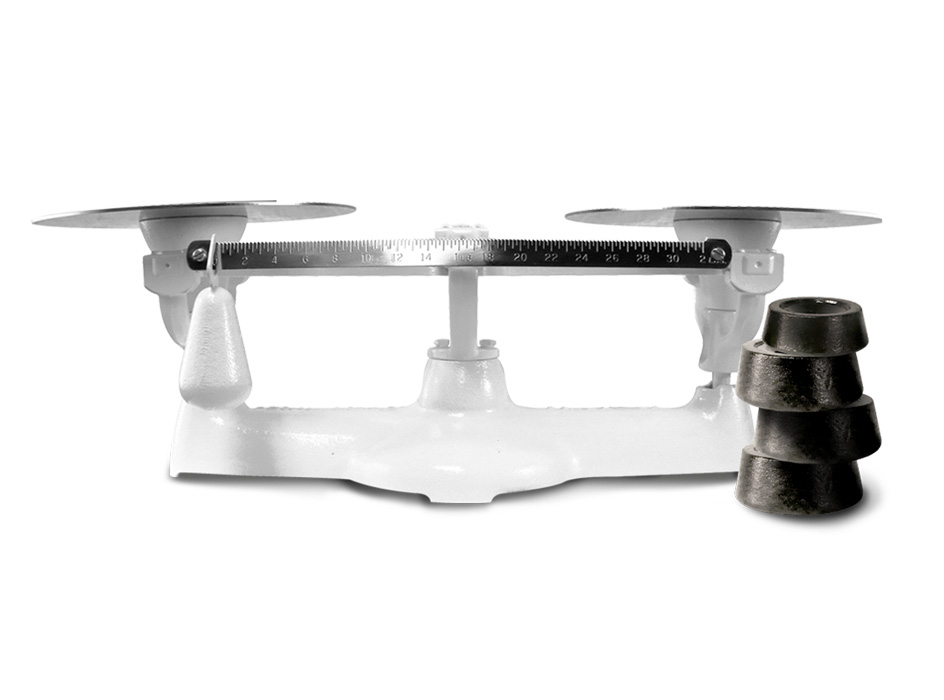
In a busy bakery or commercial kitchen, speed and grit matter most. Penn Scale builds mechanical baker’s scales that can stand up to heavy daily use. These tools handle the weight of large dough batches while giving you the accuracy you need for a good bake. You do not always need a digital screen to get precise results. For many pros, a manual beam scale offers a mix of high capacity and long life that digital tools cannot beat.
Industrial receiving and inventory
When you check in bulk goods at a loading dock, you need a scale with a high top limit. Most receiving areas use scales that can weigh between 50 and 150 pounds. For these jobs, a readability of 0.02 to 0.05 pounds is usually enough. You should spend time evaluating capacity needs for food distribution before you buy. Choosing a tool that fits your heaviest pallet helps you avoid gear failure and keep your stock counts correct.
Retail and deli weighing
In a deli or market, you need a scale that works for both the shop and the guest. These tools often have a top limit of about 30 pounds. This is enough for most meats, cheese, and produce. For these sales, a readability of 0.01 pounds is the normal mark. This level of detail helps you price goods fairly. It also meets the rules for trade in most areas. When you sell by weight, both the buyer and the seller need to trust the screen.
| Application | Recommended Capacity | Recommended Readability | Example Scale |
|---|---|---|---|
| Portion control | 10-20 lb | 0.01 lb | PS-10 or PS-20 |
| Receiving and inventory | 50-150 lb | 0.02-0.05 lb | PS-50 or Ohaus Defender |
| Bakery ingredients | 8-16 lb | 0.125-0.25 oz | Penn Scale baker’s scale |
| Lab and precision | Analytical range | 0.1 mg | Ohaus balances |
| Deli and price computing | 30 lb | 0.01 lb | CM-101 |
Common Mistakes When Selecting Scale Capacity and Readability
Many buyers have a hard time finding the right mix of scale capacity and readability. Making a mistake here can lead to broken tools or bad data. You should avoid these common slips to get the best use from your scale.
Choosing the wrong capacity
A common error is picking a scale that cannot handle your heaviest loads. If you weigh items that go over the limit, you may break the tool. Picking the wrong scale capacity for a job can lead to lasting harm to the internal sensors. You should always check the max weight of your items plus any bins or crates before you buy. If you weigh too much, you may need to buy a new scale sooner than you planned.
Losing precision with high capacity
Some buyers think a bigger scale is always better, but this is not true. A floor scale with a 500-pound capacity often has low readability. This means it will not show small changes in weight. If you need to weigh small parts, a large scale will give you poor data. You should pick a model that fits your typical load size to keep your work precise and clear.
Ignoring legal rules
If you sell items by weight, you must follow specific laws. The NIST Handbook 44 gives the technical rules for scales used in trade to keep things fair. These rules ensure that every scale works the same way for every buyer. For example, zero signs on trade scales must stay within half a scale division to keep the tool right. If you do not follow these rules, you may face fines or lose the trust of your shoppers.
Common scale buying errors include:
- Buying a scale based on price alone without looking at the specs.
- Forgetting to add the weight of boxes or pallets to your total.
- Picking a scale that is too large for your work bench or floor space.
- Buying a scale that is not legal-for-trade for retail use.
- Not thinking about the work area where you will use the scale.
Penn Scale Solutions for Every Weighing Application
Penn Scale helps you find the right tool for any job by acting as both a maker and a seller. We build our own strong gear in Philadelphia and also sell top brands like Ohaus and CAS. This model helps you find the best balance for your needs, whether you weigh heavy bulk goods or tiny lab samples. Every scale we sell is built for long life and accuracy in tough work areas.
Portion control and price computing
For food service, the PS-10, PS-20, and PS-50 models offer great portion control. The PS-10 handles up to 10 lbs, while the PS-50 is a strong bench scale for 50 lb loads. If you sell by weight, the CM-101 price computing scale is a top pick. It is NTEP certified, which means it meets the rules for fair trade from the National Institute of Standards and Technology (NIST). These tools ensure you never give away too much product or short a buyer.
Mechanical scales for bakeries
We are known for our classic mechanical baker’s scales that do not need power. These scales are built for high-volume use in kitchens where dust and flour are common. You can choose from two main sizes: 8 lb with 0.125 oz readability or 16 lb with 0.25 oz readability. These tools help when evaluating capacity needs for dough prep to ensure every loaf is the same size. Their simple design makes them easy to clean and hard to break.
Industrial and laboratory precision
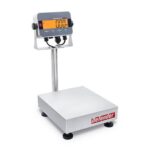
When you need to weigh large items, the Ohaus Defender series offers great strength for washdown areas. These scales can handle heavy pallet loads while staying very precise. For the highest detail, we offer lab balances that can read down to 0.1 mg. Finding the right mix between scale capacity and readability is the best way to get good data. Our team can help you pick the right model for your specific work goal.
Frequently Asked Questions
What is the difference between scale capacity and readability?
Capacity is the top weight a scale can measure. Readability is the smallest weight change the screen shows. For instance, a scale may hold 50 pounds but show weights in 0.01 pound steps. Picking the right mix of these two is key to good work. Per Penn Scale, the wrong capacity can break sensors. At the same time, the wrong readability leads to data that is not exact enough for your needs.
How does scale capacity affect accuracy?
Scale capacity and accuracy work together. If you pick a scale made for very heavy loads, it will not show small weight changes well. This is because large sensors are not built to find tiny amounts. Per Penn Scale, picking a scale with too much capacity can result in data that is unreliable. To get the best results, match the scale capacity to the largest item you plan to weigh.
How do you calculate the required readability for a scale?
You should pick a readability level based on how exact your work must be. For scales used in trade, the NIST Handbook 44 gives the rules to keep things fair. If you weigh very light goods in a lab, you might need a special scale that shows 0.1 mg. Always look at the smallest weight you need to measure first. This helps you find a tool that gives you the right data every time.
What does 0.1 mg readability mean for a scale?
A scale with 0.1 mg readability can show weight changes as small as one ten-thousandth of a gram. These tools are common in labs where small amounts of powder or liquid must be exact. Per industry experts, this high level of precision uses special systems to stay stable. While these scales are very accurate, they are also sensitive to air flow and heat. Use them when your work needs the highest level of detail.
Ready to pick the best scale for your weighing business?
Picking the wrong tools leads to costly errors in your daily work that will stay hidden until you fail a test or notice a loss. Small mistakes in scale detail or load capacity will break your sensor and cause you to lose money on every single sale you make. You can stop these risks right now by picking a scale that fits your own needs and keeps your work moving today without any delay.
Ready to talk to an expert? Call (215) 739-9644 to schedule your consultation today.