
How to Choose a Heavy Duty Commercial Scale
Find the best heavy duty commercial scale for your business with this practical guide on key features, types, and tips for accurate, reliable weighing.

Some business purchases are more than just expenses; they are long-term investments in your company’s efficiency and accuracy. A reliable heavy duty commercial scale falls squarely into this category. Choosing the right one can streamline your workflow, prevent costly errors, and ensure fair transactions for years to come. But with so many options for capacity, size, and technology, making a smart choice requires a bit of homework. We’ll break down everything you need to consider, from build quality and accuracy to connectivity, helping you select a scale that works as hard as you do and protects your bottom line.
Key Takeaways
- Choose the right type for your job: Heavy-duty scales come in many forms, from compact bench scales to large floor models. To find the best fit, consider what you’re weighing, your industry’s demands, and your available workspace.
- Prioritize capacity, durability, and certification: When selecting a scale, look for a weight capacity that safely exceeds your heaviest items and durable construction suited for your work environment. If you sell goods by weight, NTEP certification is essential for legal compliance.
- Protect your investment with regular maintenance: A scale is only accurate if it’s properly cared for. Create a simple routine for calibration, keep the weighing surface clean, and avoid overloading it to ensure reliable performance for years to come.
What Is a Heavy-Duty Commercial Scale?
When your business handles items that are too large or heavy for a standard kitchen or retail scale, you need something more robust. That’s where heavy-duty commercial scales come in. These are powerful weighing instruments designed specifically for industrial and commercial settings where durability and high capacity are non-negotiable. Think of warehouses, manufacturing plants, and shipping docks where items are constantly being moved, weighed, and processed.
These scales are built to withstand the daily grind of tough environments, from dust and debris to constant use. They provide the precise measurements businesses rely on for everything from inventory management and quality control to logistics and billing. Unlike their smaller counterparts, heavy-duty scales are engineered to handle substantial weight without sacrificing accuracy. This combination of strength and precision makes them an essential tool for any operation that depends on accurate weight data for heavy goods.
Heavy-Duty vs. Standard Scales: What’s the Difference?
The main difference between a heavy-duty scale and a standard one comes down to application and environment. Standard restaurant scales are perfect for portioning ingredients in a kitchen or weighing produce in a deli. They are designed for lighter, smaller items in relatively clean settings.
Heavy-duty scales, often called industrial scales, are built for a completely different job. They are made to perform in demanding places like factories and loading docks, where they might be exposed to moisture, temperature changes, and rough handling. They are engineered to weigh large, bulky items like pallets, crates, or machinery parts. While a standard scale might measure in ounces or a few pounds, a heavy-duty scale is designed to handle hundreds or even thousands of pounds with consistent accuracy.
A Look at Common Capacities and Designs
Heavy-duty scales are not one-size-fits-all. They come in a variety of designs and capacities to meet specific industrial needs. You’ll find platform sizes ranging from a compact 2-by-2 feet to massive 7-by-7 feet models, or even larger. This variety ensures you can find a scale that fits your workspace and the items you need to weigh.
The weight capacity of these scales is just as varied, typically starting around 1,000 pounds and going up to 20,000 or even 30,000 pounds for the most demanding jobs. Whether you’re weighing barrels, pallets of goods, or large equipment, there’s a scale built for the task. Many heavy-duty models, including versatile bench scales, also feature durable construction and easy-to-read digital indicators to streamline your workflow.
What Are the Different Types of Heavy-Duty Commercial Scales?
The term “heavy-duty” covers a wide range of scales, each built for a specific job, environment, and type of item. Your operation’s needs will determine which design is the right fit. Choosing the best one starts with understanding the main categories available. From compact tabletop models to massive scales designed for suspended loads, let’s look at the most common types you’ll encounter and what they do best. Understanding these differences is the first step to finding a scale that works as hard as you do.
Bench Scales
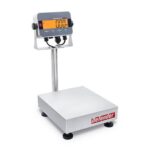
As the name suggests, bench scales are compact enough to sit on a workbench or table. Don’t let their smaller size fool you; these are workhorses for weighing smaller items accurately in busy settings. You’ll find them in shipping departments for weighing packages, in delis for portioning meat and cheese, and in industrial settings for parts counting. Their versatility makes them a go-to solution for countless applications where you need precision without sacrificing counter space. They are a great starting point for many businesses that need reliable, everyday weighing.
Floor Scales
When you need to weigh large, heavy items, a floor scale is your solution. These large-platform scales sit directly on the ground and are built to handle serious weight, from loaded pallets to industrial containers. You’ll typically find them in warehouses, shipping facilities, and manufacturing plants. Many models are built to withstand the tough conditions of industrial environments and can be equipped with ramps for easily rolling carts or pallet jacks on and off. If you’re dealing with bulk goods or oversized items, a durable floor scale is essential for your workflow.
Pallet Scales
While similar to floor scales, pallet scales are specifically designed to weigh pallets quickly and efficiently. Their key feature is a low-profile, U-shaped design that allows a forklift or pallet jack to slide a pallet directly onto the weighing surface without needing a ramp. This makes them incredibly useful for streamlining inventory management and confirming shipping weights right on the warehouse floor. For any business that moves a high volume of palletized goods, a dedicated pallet scale provides the accuracy needed for logistics and stock control.
Crane and Hanging Scales
For items that are too large, bulky, or awkwardly shaped to place on a platform, crane and hanging scales are the answer. These scales work by weighing a load that is suspended from a hook. They are indispensable in manufacturing, shipping, and foundries for weighing things like engine blocks, steel coils, or construction materials. Designed for heavy-duty use, these hanging scales provide precise readings for suspended loads, ensuring safety and accuracy in demanding industrial applications where traditional scales just won’t work.
Who Uses Heavy-Duty Commercial Scales?
Heavy-duty commercial scales are the quiet workhorses in countless industries. You’ll find them on bustling shipping docks, in sprawling warehouses, and on productive farm fields. While their specific applications vary, their core purpose remains the same: to provide accurate weight measurements for large, bulky, or heavy items. Any business that moves, sells, or processes goods in bulk relies on these powerful tools to maintain efficiency, control costs, and ensure quality.
From manufacturing plants weighing raw materials to logistics companies calculating freight charges, a dependable heavy-duty scale is essential. These scales are built to withstand demanding environments and deliver precise readings day after day. Understanding who uses these scales and why can help you see where your own business might benefit from one. Whether you’re weighing pallets of product or bins of ingredients, the right scale streamlines your workflow and protects your bottom line. Let’s look at a few key sectors where these scales are indispensable.
Manufacturing and Warehousing
In a manufacturing or warehouse setting, accuracy is everything. Heavy-duty scales are essential for weighing everything from incoming raw materials to outgoing finished products. Imagine trying to manage inventory without knowing the exact weight of a pallet of goods; it would be nearly impossible. These scales are designed to handle the tough conditions of an industrial environment, providing reliable data for quality control, inventory management, and production tracking. Using durable bench scales or larger floor models helps businesses confirm that every component and final product meets the required specifications before it moves to the next stage.
Logistics and Shipping
For any business involved in logistics and shipping, weight directly translates to cost. Heavy-duty scales are vital for accurately weighing packages, crates, and pallets before they are loaded for transport. This accuracy helps companies get precise shipping quotes and avoid unexpected surcharges from freight carriers for overweight shipments. By streamlining the weighing process with a reliable floor or pallet scale, businesses can improve their operational efficiency, reduce turnaround times, and ensure that every shipment is documented correctly. It’s a fundamental step in keeping logistics running smoothly and profitably.
Food Processing and Agriculture
From farm to table, heavy-duty scales play a critical role in the food industry. In agriculture, they are used to weigh harvested crops, manage feed for livestock, and sell bulk produce. In food processing facilities, large scales are used to weigh massive batches of ingredients, ensuring recipe consistency and helping businesses comply with industry regulations. For example, a commercial bakery needs to accurately weigh hundred-pound bags of flour and sugar. These scales must not only be precise but also durable enough to handle the demands of food production, including frequent cleaning to maintain hygienic standards.
Construction and Retail
In both construction and retail, heavy-duty scales are key for managing materials and pricing goods. Construction sites use them to weigh loads of sand, gravel, steel, and other building materials to ensure projects meet engineering specifications and to minimize waste. In the retail sector, you’ll find these scales in hardware stores selling fasteners by the pound or in garden centers weighing bags of soil and mulch. This allows businesses to sell bulk items fairly and efficiently. For both industries, an accurate scale ensures that the customer gets what they paid for and the business protects its inventory.
What to Look For in a Heavy-Duty Scale
Buying a heavy-duty scale is a significant investment for your business. It’s not just about finding something that can handle a lot of weight; it’s about finding the right tool for your specific job. A scale that fits your workflow can make your team more efficient and your operations more profitable, while the wrong one can cause daily frustrations and costly errors. Think of it like buying any other essential piece of equipment. You wouldn’t buy a delivery van without checking its cargo space or a computer without looking at its processing power.
To make a smart choice, you need to look past the price tag and consider a few key factors that determine a scale’s performance and longevity. We’re talking about everything from its physical footprint and build quality to its accuracy and how it communicates with your other systems. Getting these details right from the start will save you from headaches down the road and ensure you get a reliable workhorse that serves your business for years. Below, we’ll walk through the five most important features to evaluate when you’re ready to shop for a new scale. This checklist will help you narrow down your options and find the perfect match for your needs.
Weight Capacity and Size
First things first, you need to know how much weight your scale needs to handle and how much space you have for it. Consider the heaviest items you’ll weigh regularly and choose a scale with a maximum capacity that comfortably exceeds that number. Pushing a scale to its limit day after day can wear it out and compromise its accuracy. At the same time, think about the physical dimensions. A large platform might be great for weighing bulky boxes, but it won’t do you any good if it doesn’t fit in your workspace. Measure your area and compare it to the scale’s footprint to ensure a good fit.
Durability and Build Quality
Heavy-duty scales are meant to work in demanding environments, from busy kitchens to dusty warehouses. That’s why their construction is so important. Look for scales made from robust materials like stainless steel or heavy-gauge carbon steel, which can stand up to impacts, spills, and constant use. A well-built scale is an investment in reliability. At Penn Scale, we’ve spent a century perfecting designs that are built to last and handle tough industrial work. Pay attention to details like overload protection, which prevents damage to the internal sensors if an item is too heavy, ensuring your scale remains dependable over time.
Accuracy and Precision
In business, accuracy isn’t just a feature; it’s directly tied to your bottom line. Whether you’re portioning ingredients, pricing products by weight, or ensuring shipping compliance, precise measurements are essential. Heavy-duty scales achieve this using specialized sensors called load cells, which convert force into a readable electrical signal. A high-quality scale will give you consistent, repeatable readings every time. This level of precision helps you reduce product waste, maintain quality control, and ensure fair transactions. Many of our restaurant scales are designed with this exact need in mind.
Display and Readability
A scale’s measurement is only useful if you can read it quickly and clearly. A bright, backlit LCD display is a must-have, especially in poorly lit environments or from a distance. Look for large, easy-to-read digits that won’t have your team squinting or second-guessing the numbers. Some scales also offer a remote or rotating display, which can be incredibly helpful when a large item on the platform would otherwise block your view. Having a user-friendly display is a key feature of many certified scales, and our digital scale indicators offer a variety of clear, reliable options to fit any setup.
Connectivity and Data Logging
Modern scales can do more than just weigh things. Many models now come with connectivity options like USB, RS-232, or even wireless capabilities. This allows the scale to communicate directly with your computer, printer, or inventory management software. Imagine automatically logging every weight, printing labels on the spot, or updating your stock levels in real-time. This integration streamlines your workflow, reduces the chance of human error from manual data entry, and provides valuable data for your records. Before you buy, make sure the scale’s connection type will work with your existing software and systems.
What’s New in Heavy-Duty Scale Technology?
Heavy-duty scales are getting a major tech upgrade. Just like our phones and homes, scales are becoming smarter and more connected. These advancements aren’t just flashy features; they are practical tools that can seriously improve how your business operates. The latest innovations focus on three key areas: connecting your scales to the internet for real-time data, using software to make sense of that data, and adding advanced safety features to protect your team and your equipment. These new technologies are transforming scales from simple measuring devices into central hubs for operational intelligence.
Wireless and IoT Integration
One of the biggest changes in scale technology is the move toward wireless connectivity and the Internet of Things (IoT). This simply means your scales can now connect to the internet or your local network, sending weight data wherever it needs to go in real time. Imagine your warehouse scale automatically updating your inventory system the moment a pallet is weighed. According to the Scale Manufacturers Association, “IoT-enabled scales can provide instant access to weight data from anywhere, improving operational efficiency and decision-making.” This connectivity eliminates manual data entry, reduces errors, and gives you a live, accurate picture of your operations, from inventory levels to shipping weights.
Advanced Data Management Software
Along with connectivity comes powerful software designed to manage all the data your scales collect. Instead of just seeing a number on a screen, you can now track weight history, spot trends, and generate detailed reports. This is incredibly useful for everything from quality control to optimizing your production line. As noted by Weighing Review, modern data management solutions “enable businesses to analyze trends, optimize operations, and ensure compliance with industry regulations.” This software turns raw weight data into actionable insights, helping you make smarter, data-driven decisions for your business and maintain perfect records for compliance.
Enhanced Safety and Overload Protection
Working with heavy loads always comes with risks, which is why manufacturers are building smarter safety features directly into their scales. New models often include enhanced overload protection systems that actively prevent you from damaging the scale’s sensitive load cells. These systems can trigger alarms or even automatically shut off if a load exceeds the scale’s capacity. A study by Industrial Scale Solutions points out that these features “protect both the equipment and the operator.” This is a crucial development, as it not only safeguards your expensive equipment from costly repairs but, more importantly, helps prevent workplace accidents and keeps your team safe.
Do You Need an NTEP-Certified Scale?
When you’re shopping for a commercial scale, you’ll likely come across the term “NTEP Certified.” It might sound like technical jargon, but it’s a critical detail that can directly impact your business operations and legal compliance. Understanding what NTEP certification is and when you need it will help you choose a scale that not only works for your tasks but also keeps your business protected. It’s all about ensuring accuracy and fairness, both for you and your customers. If you’re weighing items to determine a price, this is a detail you can’t afford to overlook. Let’s break down what it means so you can make an informed decision.
What Is NTEP Certification?
NTEP stands for the National Type Evaluation Program. Think of it as a seal of approval for weighing devices. Before a scale can be NTEP certified, it undergoes rigorous testing to ensure it meets the standards for accuracy, reliability, and performance set by the National Institute of Standards and Technology (NIST). This certification confirms that the scale will perform consistently and accurately under various conditions. When you see the NTEP mark, you know the scale has been verified by a third party to meet a national standard, giving you confidence that its measurements are dependable for commercial use.
When Do You Need a Legal-for-Trade Scale?
You need a legal-for-trade scale, which is an NTEP-certified scale, anytime a transaction is based on weight. The rule is simple: if you are selling products by weight, your scale must be certified. This applies to a wide range of businesses, from a deli slicing meat and a candy store selling fudge by the ounce to a shipping center calculating postage. Using a certified scale ensures fair trade and protects both the buyer and the seller from inaccurate measurements. That’s why so many professional restaurant scales and retail bench scales are designed to meet these strict requirements from the start.
Top Brands in Heavy-Duty Commercial Scales
When you’re investing in a heavy-duty commercial scale, the brand name matters. A reputable brand often means you’re getting a product backed by years of engineering, rigorous testing, and reliable customer support. It’s about more than just a logo; it’s about trusting that your scale will perform accurately day in and day out, even in the toughest conditions. Choosing the right brand helps ensure your investment pays off with longevity and consistent performance, which is critical for any business that relies on precise measurements. A dependable scale prevents costly errors, maintains customer trust, and keeps your operations running smoothly.
At Penn Scale, we understand the importance of quality. That’s why we not only manufacture our own line of durable scales but also serve as a master distributor for other leading names in the industry. This unique position allows us to offer a comprehensive selection of weighing solutions all from one place. Whether you need the time-tested reliability of our own products or the specialized features of another top manufacturer, we can help you find the perfect fit. Below, we’ll look at some of the most trusted brands in the heavy-duty scale market, including Penn Scale, Ohaus, Pennsylvania Scale, CAS, and A&D Weighing.
Penn Scale
With a history stretching back to 1923, Penn Scale has built a reputation for exceptionally robust and reliable scales. Our heavy-duty models are specifically designed to perform in harsh environments, from food processing plants to agricultural settings, without sacrificing accuracy. We combine age-old manufacturing principles with modern technology to create products that last. Our own line of Penn Scale products is a testament to our commitment to durability and precision, making them a go-to choice for commercial users who need equipment they can depend on for years to come.
Ohaus
Ohaus is a well-established name in the weighing industry, recognized for its high-quality products and innovative technology. Their heavy-duty commercial scales are engineered for superior accuracy and durability, making them a great fit for demanding industrial applications. Many Ohaus scales come with advanced functionalities, such as intuitive user interfaces and connectivity options for seamless data transfer. These features make their bench scales a versatile and efficient choice for a wide range of commercial settings, from warehouses to laboratories.
Pennsylvania Scale
Pennsylvania Scale has a long and respected history of manufacturing accurate and reliable scales for commercial use. Their heavy-duty models are designed to handle large capacities and are truly built to last, making them a trusted choice for businesses that require absolute precision in their weighing processes. The company is known for its focus on providing solutions that meet the specific needs of its customers. You can explore their offerings on the Pennsylvania Scale Company website to see how their products can support your operations.
CAS
CAS is known for its innovative weighing solutions, which include a wide range of heavy-duty commercial scales. Their products are designed for high performance and durability, serving industries like retail, food service, and logistics. CAS scales often come equipped with advanced features, including clear digital displays and modern connectivity options, which improve their usability in fast-paced commercial environments. Their commitment to technology makes them a strong contender for businesses looking to streamline their weighing tasks. You can learn more at the official CAS Corporation site.
A&D Weighing
A&D Weighing is recognized for its precision engineering and high-quality weighing instruments. Their heavy-duty commercial scales are built to endure rigorous, continuous use while providing consistently accurate measurements. A&D Weighing focuses on integrating advanced technology into its products, offering features like data logging and connectivity that are highly beneficial for modern commercial applications. This focus on technology and precision makes their scales a valuable asset for businesses that need to track and manage weight data effectively. You can find more details on the A&D Weighing website.
How Much Does a Heavy-Duty Commercial Scale Cost?
Figuring out the budget for a heavy-duty commercial scale can feel a bit like asking, “How much does a vehicle cost?” The answer depends on whether you need a simple sedan or an industrial freight truck. Scale prices vary widely, generally starting around $600 and climbing to over $8,000 for highly specialized systems. The final cost comes down to a combination of factors, including weight capacity, platform size, construction material, and any advanced features like data connectivity.
Think of this purchase as a long-term investment in your business’s accuracy and efficiency. A reliable scale prevents product loss, ensures fair pricing for your customers, and streamlines your entire workflow from receiving to shipping. While it’s tempting to go for the cheapest option, a scale that can’t handle your daily demands will only cost you more in the long run through frequent repairs, downtime, and inaccurate readings. It’s about finding the right tool for the job, one that will pay for itself through consistent performance. To help you get a clearer picture of what to expect, we can break down the costs into three general tiers. Exploring a full shop can give you a sense of the options available at each price point.
What to Expect: Entry-Level ($600–$1,500)
In this price range, you’ll find excellent, reliable scales perfect for businesses with moderate heavy-duty needs. These are often robust bench scales or smaller floor scales designed for environments like restaurant kitchens, delis, shipping rooms, or small workshops. They typically feature durable stainless steel platforms, clear digital displays, and capacities that handle daily tasks without issue. While they may not have advanced data logging or wireless features, they provide the core function you need: accurate and consistent weighing. For many businesses, a scale in this entry-level tier is the perfect workhorse to ensure portion control, manage inventory, and calculate shipping weights precisely.
What to Expect: Mid-Range ($1,500–$4,000)
When you move into the mid-range, you start to see scales built for more demanding industrial environments and higher volume operations. These models offer higher weight capacities, larger platform sizes, and more rugged construction to withstand constant use. You can expect to find features like more advanced digital indicators, better overload protection, and sometimes NTEP certification for legal-for-trade applications. This tier is ideal for growing businesses in food processing, manufacturing, and warehousing that need a scale to keep up with a faster pace. The investment here gets you a piece of equipment from brands like our own Penn Scale line that is built for longevity and greater operational demands.
What to Expect: High-Capacity ($4,000+)
At the top end of the spectrum, you’ll find specialized, high-capacity scales designed for the toughest industrial jobs. These scales can handle immense weights, with some floor and pallet scales weighing items up to 5,000 pounds or more. This category includes large floor scales, pallet jack scales, and crane scales used in large-scale manufacturing, logistics, and agriculture. The higher price reflects not only their massive capacity but also their advanced technological features. Many come equipped with sophisticated digital scale indicators, wireless connectivity for data integration with your inventory systems, and construction designed to survive in harsh environments. These scales are critical infrastructure for operations where precision at a massive scale is non-negotiable.
How to Choose the Right Heavy-Duty Scale for Your Business
Picking the right heavy-duty scale feels like a big decision, because it is. This tool is a core part of your daily operations, affecting everything from inventory to shipping costs and product consistency. A scale that doesn’t fit your needs can slow down your workflow, lead to errors, and ultimately cost you money. But finding the perfect match doesn’t have to be complicated.
To make the choice easier, let’s break it down into four simple steps. By thinking through your specific needs for weight, space, technology, and budget, you can confidently select a scale that will serve your business well for years to come. It’s all about finding the perfect fit, not just the most expensive or feature-heavy option. Let’s walk through what you need to consider.
Pinpoint Your Weight Requirements
First things first, you need to know what you’re weighing. Think about the heaviest items your scale will ever need to handle, as this determines the maximum capacity you require. It’s wise to choose a scale with a capacity slightly higher than your heaviest expected load to prevent damage and ensure accuracy. Also, consider the smallest increments you need to measure. A scale for weighing bulk ingredients will have different precision needs than one for portioning food in a restaurant kitchen. Make a list of your typical and heaviest items to create a clear picture of the capacity and readability you need for daily operations.
Assess Your Workspace and Environment
Where will the scale live? The physical space and environment are just as important as the weight capacity. Measure the area where you plan to place the scale to ensure it fits without disrupting your workflow. For large floor scales, you also need to confirm your floor can support the combined weight of the scale and its maximum load. Beyond size, consider the conditions. Will the scale be exposed to water, dust, or corrosive materials? In wet or messy environments like food processing, a stainless steel scale with a high IP rating for water resistance is essential. A dry warehouse has different requirements, where a durable painted steel bench scale might be perfect.
Evaluate Your Tech and Data Needs
Modern scales can do much more than just display weight. Think about how you plan to use the weight data. Do you need to print labels, send information to a computer, or track weights for inventory management? Many scales offer connectivity options like USB, RS-232, or even wireless Bluetooth. Make sure the scale’s connection type is compatible with your existing software and systems. Investing in a scale with the right digital scale indicator can streamline your data logging, reduce manual entry errors, and provide valuable insights for your business, saving you time and improving accuracy down the line.
Balance Your Budget with Long-Term Value
While it’s tempting to go for the cheapest option, a heavy-duty scale is an investment in your business’s efficiency and accuracy. Prices can range from around $600 to over $8,000, depending on capacity, features, and brand. Instead of focusing only on the initial price, consider the total cost of ownership. A durable, reliable scale from a trusted manufacturer like Penn Scale may cost more upfront but will save you money over time by reducing downtime, maintenance costs, and inaccurate readings. Look for a balance between your budget and the long-term value a high-quality scale provides.
How to Keep Your Heavy-Duty Scale Accurate
Investing in a quality heavy-duty scale is the first step, but consistent maintenance is what guarantees its accuracy and longevity. Think of it like a car; even the best models need regular tune-ups to perform reliably. A scale that gives inaccurate readings can cost your business money, whether through product giveaway, incorrect shipping charges, or compliance fines. Fortunately, keeping your scale in top condition isn’t complicated. By building a few simple habits around calibration, cleaning, and proper use, you can protect your investment and ensure every measurement is spot-on.
Establish a Calibration Routine
Calibration is the process of checking and adjusting your scale’s accuracy against a known, certified weight. Even the most robust scales can drift from their perfect setting over time due to environmental changes, frequent use, or just being moved. A solid routine is your best defense. You should always calibrate your scale after its initial setup and any time you move it to a new location. From there, establish a regular schedule for checking it with certified weights. For businesses where precision is critical, this might be a daily or weekly task. Keeping your scale calibrated ensures your measurements are consistently trustworthy, which is the foundation of any weighing operation.
Clean and Inspect Your Scale Regularly
It’s easy to overlook, but dirt, dust, and debris are enemies of accuracy. Buildup can interfere with the sensitive load cells and moving parts of your scale, leading to incorrect readings. Make it a habit to regularly clean the weighing platform and the area around it. More importantly, you should inspect the load cells for any signs of damage or debris. A quick visual check can help you spot potential problems before they affect performance. Always follow the manufacturer’s cleaning instructions, but a simple wipe-down and a check for obstructions can make a huge difference in your scale’s day-to-day reliability.
Prevent Overload and Care for Load Cells
The load cells are the heart of your digital scale, and they need to be protected. The single most important rule is to never exceed your scale’s weight capacity. As a best practice, choose a scale with a capacity that’s comfortably higher than the heaviest items you plan to weigh. This simple step prevents strain that can cause permanent damage and kill accuracy. Also, avoid dropping heavy items onto the scale. The sudden impact can shock the load cells and is often more damaging than a slow, static overload. Treating your bench scales and other equipment with a bit of care will go a long way in preserving their internal components for years of service.
Keep Detailed Maintenance and Compliance Records
For any business, but especially those that sell products by weight, good records are non-negotiable. Keep a log of every calibration, maintenance check, and repair. This detailed history is invaluable for troubleshooting issues and proves you’re performing due diligence. Many commercial scales are “Legal for Trade,” which means they meet official standards for use in commerce. Maintaining these scales and documenting your efforts is often a legal requirement. These records demonstrate your commitment to accuracy and protect your business, ensuring you remain compliant with industry regulations.
Related Articles
Frequently Asked Questions
How do I know if I need a heavy-duty scale or if my standard kitchen scale is enough? The answer comes down to your work environment and what you’re weighing. If your tasks involve large, heavy items like pallets, crates, or bulk ingredients in a demanding setting like a warehouse, factory, or busy loading dock, you absolutely need a heavy-duty scale. They are built to handle significant weight and withstand tough conditions. A standard scale is best for lighter tasks in cleaner spaces, like portioning food in a restaurant kitchen or weighing small retail items.
With so many types available, how do I choose between a bench, floor, or pallet scale? Think about your daily workflow. A bench scale is your go-to for countertop work, perfect for weighing smaller packages, parts, or food portions where space is limited but precision is key. If you’re handling large, bulky items like barrels or industrial containers, a floor scale provides the large, stable platform you need. For businesses that move a lot of goods on pallets, a pallet scale is specifically designed with a U-shape to let you weigh loads directly from a pallet jack, which speeds up your process significantly.
How often do I really need to calibrate my scale? Calibration is essential for accuracy, and your schedule depends on how you use the scale. As a rule, you should always calibrate it when you first set it up and any time you move it. For businesses where precise measurements are critical for sales or production, a daily or weekly check is a good practice. For less frequent use, a monthly calibration might be sufficient. The most important thing is to create a consistent routine and stick to it, as this ensures your measurements are always reliable.
Is an NTEP-certified “legal-for-trade” scale really mandatory? Yes, it is absolutely mandatory if your business charges customers based on weight. This applies to a huge range of businesses, including delis selling cold cuts, hardware stores selling fasteners by the pound, or shipping centers calculating postage. Using an NTEP-certified scale is a legal requirement that ensures a fair transaction for both you and your customer. It’s a non-negotiable part of running a business that sells goods by weight.
What’s the most important factor to consider: capacity, accuracy, or durability? It’s impossible to pick just one, as they all work together to define a great scale. You should start by identifying the weight capacity you need, making sure it’s a bit more than your heaviest items. Then, consider the durability required for your specific environment; a scale for a wet food processing plant needs different construction than one for a dry warehouse. Finally, ensure the scale provides the accuracy your operations demand. A quality scale delivers on all three, giving you a reliable tool that fits your job perfectly.