
How to Clean Commercial Kitchen Scales: A Complete Maintenance Guide
Call Penn Scale for expert maintenance advice. Learn how to clean commercial kitchen scales with daily routines, deep cleaning, calibration, and storage...
A dirty scale leads to poor portion control and failed health inspections. Penn Scale has been a family-owned specialist since 1923. We help businesses learn how to clean commercial kitchen scales to keep food costs down and gear lasting for years.
How to clean commercial kitchen scales correctly is a process that protects the fragile load cell and ensures food safety. Unplug the unit first and take off the platter for separate cleaning in warm, soapy water before wiping the body with a damp, lint-free cloth. Be sure to avoid spraying liquid directly onto the display, and use a simple alcohol wipe for tough grime instead of harsh agents. As stated by Adam Equipment, avoiding rough pads prevents scratching, which extends equipment life and ensures your portion control stays tight every day. For expert advice on scale care or finding the right weighing equipment for your business, call Penn Scale at (215) 739-9644.
Keeping these standards starts with clear knowledge of how to care for your tools every day. This guide covers deep cleaning and storage tips to keep your gear in top shape. It starts with a steady Daily Cleaning Routine for Commercial Kitchen Scales. Here’s how.
How To Clean Commercial Kitchen Scales: Daily Cleaning Routine for Commercial Kitchen Scales
Keeping your tools clean is the best way to make sure they stay exact and last for years. In a busy food prep area, scales are often covered in flour, oil, and water. If you do not clean them, these bits of food can get stuck under the weighing pan. This can lead to wrong weights or even attract pests. A daily routine is not just about looks; it is a vital part of your food safety plan. The U.S. Food and Drug Administration states that all food contact surfaces must be cleaned often to stop the spread of germs.
Why wipe the scale after each use?
You should wipe down your scale platter as often as you can. In a fast kitchen, this might mean a quick wipe after every few tasks. For portion control scales, keeping the pan clean is key to getting the same weight every time. If crumbs build up on the tray, they can add weight that you did not mean to count. This can throw off your food costs and lead to waste. A simple wipe with a dry cloth after each use can stop most of these issues before they start.
If you wait until the end of the day to clean, food might dry and stick to the surface. This makes it much harder to remove without a deep scrub. Scrubbing too hard can damage the load cell, which is the heart of your scale. Since 1923, Penn Scale has seen how proper care can help a scale last for ten years or more. Most workers find that taking five seconds to wipe the pan saves them much more time later. It also shows your staff that you value clean and precise tools.
Best tools for a deep clean
When it is time for a deeper clean, you must choose your tools with care. A lint-free cloth is the best choice for any kitchen scale. These cloths do not shed small threads that could get stuck in the gaps of the scale body. You may use a damp cloth with a tiny bit of mild soap for most messes. The cloth should feel slightly wet to the touch but not drip when you squeeze it. Using too much water is a common mistake that can lead to costly repairs.
For greasy spots or sticky messes, 99% alcohol wipes are helpful. These wipes dry fast, which lowers the risk of water getting inside. They are safe for the outer case of most digital scales and help remove germs. Do not use bleach or harsh cleaners like ammonia on your scale. These can eat through the seals or dull the metal finish. Using the right tools keeps your scale looking new and working well for a long time.
How to protect internal parts
The biggest threat to a kitchen scale is liquid getting inside the case. Most scales are not fully waterproof, so you must be careful. Never spray water or cleaning liquid straight onto the scale body. The mist can drift into the tiny spaces around the screen or the buttons. Once water hits the internal parts, the scale may start to drift or stop working. This is a common way that kitchen staff break good tools by mistake.
Instead of spraying the scale, always spray your cleaner onto your cloth first. This gives you full control over where the liquid goes. If you are cleaning near the screen, use even less liquid. Some scales have a plastic cover over the keys to help protect them, but you should still be gentle. If you think water has gotten inside, stop using the scale. Let it dry in a warm spot for at least a day. Taking these small steps will keep your scales ready for a full day of work.
Deep Cleaning: When and How to Clean Your Commercial Scale
Daily wipes keep debris at bay, but a deep clean ensures your equipment lasts for years. You should perform a thorough cleaning once a week or whenever you see a build-up of grease and grime. Regular care protects the load cell from damage. It also helps you maintain the high level of accuracy that commercial kitchen scales need in a busy food prep area. Start by unplugging your scale to keep the internal parts safe from power surges.
Use mild cleaning agents
You do not need harsh chemicals to get a good result. In fact, you should avoid bleach, ammonia, and abrasive cleaners as they can damage the scale housing. Instead, use a soft cloth dipped in mild soapy water. Wring the cloth out well before you touch the scale. The cloth should be damp, not dripping, so that no liquid enters the gaps in the casing. For scales made of metal, always wipe in the direction of the finish. According to experts at adamequipment.com, using mild soap is the best way to clean without harming the protective layers of your scale.
Care for internal parts
Dust and food particles can get inside the scale over time. This happens most often with non-washdown scales that have small vents or gaps. To clean these areas, use a can of non-liquid compressed air. This tool blows out dust without adding moisture to the circuits. You can also use an anti-static brush to sweep away loose bits of debris. Industry pros at weigherps.com suggest these tools to keep internal parts clean and dry. Keeping the inside clear helps prevent errors in weight readings.
Avoid abrasive tools
While you want to remove tough stains, do not use steel wool or scouring pads. These tools will scratch the surface and create spots where bacteria can grow. Stick to soft sponges or microfiber cloths for all your cleaning tasks. If a stain is hard to remove, let the damp cloth sit on the spot for a few minutes to soften it. Once you finish cleaning, use a dry, lint-free cloth to remove all moisture. Let the scale sit for at least ten minutes to air dry fully before you plug it back in or try to reset it.
How Often Should You Calibrate Your Commercial Scale?
Precision is the most vital part of using a scale in a busy kitchen. Even the best gear can lose its accuracy over time. This loss of accuracy is known as drift. When a scale drifts, it can lead to wrong food portions or lost profits. Regular checks help you keep your business running well and ensure you follow local laws for weighing goods.
Factors That Cause Scale Drift
Many things in a busy kitchen can affect your scale. Large changes in heat and damp air often cause internal parts to expand or contract. Rough handling is another common issue. If staff drop heavy items onto the pan, it can damage the sensors. Even constant shaking from nearby mixers or heavy ovens can shift the small parts inside your commercial kitchen scales.
Dust and food spills also play a role in accuracy. Before you test your device, you should know how to clean commercial kitchen scales well. Debris stuck under the weighing pan can add extra weight or stop the sensor from moving. Always wipe the unit clean with a damp cloth before you start the calibration check. This ensures that you are testing the scale and not the grime on its surface.
Step-by-Step Calibration Process
Most modern digital scales have a built-in tool to help you reset their accuracy. You will need a set of certified weights to do this correctly. Using random items like water jugs or canned goods will not give you the precision you need. Follow these steps to keep your gear in top shape:
- Place the scale on a flat and stable surface away from any air vents or shaking machines.
- Turn the unit on and allow it to warm up for about ten minutes so the internal parts can settle.
- Ensure the screen reads zero before you begin; use the tare button if you see any other number.
- Enter the calibration mode by following the button steps in your user guide.
- Place the needed certified weight on the center of the pan when the screen asks for it.
- Wait for the scale to confirm the reading, which usually shows as a “Pass” or “End” message.
- Remove the weight and turn the scale off and then back on to check the new settings.
Recommended Calibration Frequency
How often you check your scale depends on how much you use it. For most busy kitchens, a weekly check is a good rule. You should also test the unit if you move it to a new spot or if the kitchen heat changes a lot. If you notice the scale does not return to zero after use, it needs a reset right away.
For shops that sell food by weight, you may need an expert service to check your gear. These experts ensure your gear meets the standards set in NIST Handbook 44 for legal-for-trade tools. Expert help is the best way to avoid fines and keep your customers happy. Regular care will help your scale last for ten years or even longer.
Washdown vs. Standard Commercial Scales: What You Need to Know
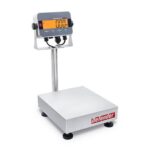
Choosing the right scale for your kitchen starts with your cleaning needs. Standard commercial kitchen scales work well in dry areas, but they cannot handle direct water. If your staff needs to spray down equipment to meet health codes, you likely need a washdown model. These tools feature sealed electronics that keep water and dust out of the load cell.
What IP ratings mean for your kitchen
The Ingress Protection (IP) rating tells you how much water a scale can handle. Most washdown scales carry an IP65, IP66, or IP67 rating. An IP65 rating means the scale resists low-pressure water jets from any angle. Scales with an IP67 rating can survive being dropped in water for a short time. According to the National Institute of Standards and Technology, using the right gear for your environment ensures better weighing accuracy.
Key differences in scale design
Standard scales often have gaps where flour or sugar can get inside. This buildup can ruin the internal sensors over time. Washdown scales use gaskets and heavy-duty seals to block these entry points. They often feature stainless steel parts that resist rust when they get wet. If you use high-pressure hoses to clean your workspace, a washdown-rated scale is the only safe choice to avoid short circuits.
| Feature | Standard Scale | Washdown Scale |
|---|---|---|
| Cleaning Method | Wipe with damp cloth only | Can be sprayed or rinsed |
| Electronics | Vulnerable to moisture | Sealed and protected |
| Best Environment | Dry prep areas | Wet or messy kitchens |
| Dust Resistance | Low to moderate | High (fully sealed) |
| Durability | Best for light use | Best for heavy sanitation |
How to clean washdown models
Even though you can rinse these scales, you must follow the right steps. Always check that the battery cover is tight before you start. Use a mild soap and a soft brush to scrub the surface. Do not use bleach or harsh chemicals that can eat through the seals. The U.S. Food and Drug Administration notes that clean tools help prevent cross-contamination in food prep areas.
Best Practices for Storing and Handling Commercial Scales
Your commercial kitchen scale is a precise tool. To keep it exact, you must store it on a flat and solid base. If the surface is not level, the weight on the sensor will not be even. This leads to wrong readings and can slow down your work. Always check that the scale stays level before you start your shift. A level scale ensures every weight you take is right. It is a simple step that saves time and stress.
Proper care starts with where you place the device and how you treat it daily. Knowing how to clean commercial kitchen scales and store them well is the first step in long-term care. When you pick a good spot for your scale, you prevent damage before it happens. This helps you keep a high level of exactness in your food prep area. A stable spot leads to better results for your whole team.
Protect Scales from Shaking
You should keep your scale away from heavy shaking machines. Mixers, grinders, and large fridge doors can all cause the ground to shake. This shaking can rattle the internal parts and cause the display to drift over time. For the best results, use a heavy table that does not move. If the floor shakes, you may need a special mat to soak up the energy. A steady spot is just as vital as a clean one for your gear.
Control Heat and Moisture
Extreme heat or cold can change how your scale works. These shifts make the metal parts grow or shrink, which affects the sensor. Wet air can also lead to rust or short circuits in digital models. For these reasons, you should keep your scale in a room with a steady heat. If you must move it between cold and hot areas, let it sit for ten minutes. This allows the tool to adjust to the new air before you use it.
Scales used for business must follow strict rules for exactness. In the United States, these rules often come from the National Institute of Standards and Technology. Following these rules ensures that your weights are legal for trade and fair for your customers. Keeping your scale in a clean and dry place helps you meet these rules without many repairs. A well-kept scale is a sign of a pro kitchen and a smart owner.
Manage Weight and Handling
How you handle your scale is just as needed as where you store it. Never drop heavy items onto the pan. This shock can damage the load cell in a second. Also, be careful not to go over the top weight limit of the device. Too much weight can bend the internal parts and ruin the tool. When the scale is not in use, do not leave items on top of it. This steady pressure can wear out the sensor faster than normal.
A high-quality scale from Penn Scale is built to last. With the right care and regular checks, these tools can have a lifespan of 10 years or more. Using soft moves and avoiding harsh rooms will protect your purchase. When you treat your gear well, it stays exact. This saves you money on new gear and ensures you get the most out of every tool you own.
Common Mistakes That Damage Commercial Kitchen Scales
Using the wrong cleaning tools
Cleaning your gear is vital, but the wrong way can do more harm than good. Many staff use bleach or strong soaps to clean surfaces. These items work for floors, but they are too harsh for commercial kitchen scales. These fluids can strip the finish and lead to rust. Also, never spray water or soap right onto the unit. Liquid can seep into small cracks and reach the inner wires. This often leads to a short that kills the scale.
Instead of a spray, use a soft cloth dipped in mild soap and water. Wring it out well so it is only damp. This keeps the liquid on the outside. Do not use paper towels or rough pads. These items can leave lint or create deep scratches on the screen. Over time, these marks make it hard for your team to read the numbers. Clear screens are needed for fast work and good results in a busy shop.
Poor storage and handling habits
The life of your scale often depends on where it sits. Some shops leave scales near hot grills or under bright lamps. This is a big mistake. High heat causes inner parts to shift. This ruins the truth of your tool and leads to wrong weights. You should find a spot that is cool and dry. If the sun hits the scale all day, the plastic can get weak and crack.
Handling is the other big part of the job. It is easy to bump or drop a scale in a fast kitchen. But even a small fall can ruin the load cell. This part is a fine piece of metal that finds the weight. If you bang the scale on a table, the load cell can bend. Always place the unit on a flat, solid base. An uneven surface makes the scale work too hard to find zero. This adds stress to the parts and shortens their life.
Neglecting calibration and capacity
One of the most common mistakes is to skip steady checks. Scales are exact tools that can drift due to shifts in damp air or hard use. This is why the NIST Handbook 44 warns that proper care is key. If you skip these checks, your weights will slowly become wrong. This leads to bad food costs and loss of profit. Use a known weight to test your scale at least once a week.
Last, watch the weight limits on your portion control scales. Every scale has a top limit that it can handle. If you put a heavy pot on a small scale, the inner frame can warp. This damage can stay for good. To avoid this, teach your staff to check the limit before they weigh big items. It is much cheaper to use a large scale than to buy a new one to replace a broken tool.
Frequently Asked Questions
Can I use a hair dryer to dry a wet kitchen scale?
You should never use a hair dryer or any high-heat source to dry a digital scale. Intense heat can warp the plastic case and damage the delicate screen or inner parts. Instead, wipe the outside with a soft cloth and let the unit air dry in a warm, dry spot for at least 24 hours. If water has reached the inside, remove the batteries or unplug the cord right away. This slow drying method is the safest way to prevent a total loss.
What should I do if my scale shows an error code after cleaning?
If an error code appears after you clean the scale, first check that the weighing pan is seated the right way and not touching other things. Unplug the power and wait one minute before turning it back on. This simple reset often clears the code. If the error stays, there may be water inside or the load cell might be pushed out of place. As noted by WebstaurantStore, codes that stay most times mean the unit needs a pro repair or a new checkup.
Is it better to use batteries or a power cord for shop scales?
Most shops prefer using a power cord because it provides a steady stream of power for exact weighing. Batteries are great for mobile use but can leak over time and damage the inner parts if left inside a stored scale. If you do use batteries, choose good alkaline ones and check them for leaks once a month. For the best results in a fixed kitchen spot, a power cord is the most trusted way to keep your scale working well all day.
How long should a good shop scale last?
With proper daily cleaning and a pro checkup once a year, a good shop scale can last ten years or more. The lifespan depends on how often you use it and the setup of your kitchen. Scales in wet or dusty spots may wear out faster than those in dry areas. As noted by Adam Equipment, pick a scale with the right IP rating to ensure it lasts for a long time.
Ready to get more life and better results from your pro scales?
If you do not take the time to clean your scales now, you face the risk of poor readings that lead to very high costs. Acting today will help you avoid the stress of broken parts and slow lines so that your kitchen stays fast and smooth for every guest. Our family team has helped pro kitchens since 1923, and we can help you find strong tools that stand the test of time and use. Check out our restaurant scales and commercial kitchen scales online to see how our strong tools can help you reach your goals and stay safe today.
Ready to get help? Call (215) 739-9644 to talk to a scale expert at Penn Scale for help with selecting and maintaining your kitchen scales.