
Best Digital Weighing Scales for Sale: A 2026 Guide
Find the best digital weighing scales for sale with this practical guide. Compare top features, brands, and tips to choose the right scale for your needs.

Digital scales are surrounded by a lot of chatter and a few persistent myths. It’s a common belief that a digital screen automatically means more accuracy, or that all smart scales measure body fat reliably. With a market full of digital weighing scales for sale, it’s easy to get swayed by marketing hype instead of facts. The truth is, a scale’s quality comes from its construction and calibration, not just its display. This guide is here to set the record straight. We’ll bust the most common misconceptions so you can make an informed choice and feel confident in the numbers you see.
Key Takeaways
- Match the scale to the job: The best scale is one designed for your primary use, whether you need a simple kitchen model for recipes, a smart scale for tracking health trends, or a durable commercial scale for business operations.
- Prioritize core features over extras: Before getting swayed by smart functions, confirm the scale has what truly matters: reliable accuracy, a durable build, and a weight capacity that fits your needs. A clear display and an easy-to-clean surface are also crucial.
- Use your scale correctly for better accuracy: Simple habits make a huge difference. Always use your scale on a hard, flat surface, weigh yourself at a consistent time for health tracking, and calibrate it periodically to maintain its precision.
A Quick Guide to Digital Scale Types
Digital scales have become incredibly specialized. The right scale for a baker perfecting a sourdough starter is completely different from the one a warehouse manager needs to weigh pallets for shipping. Understanding the main categories is the first step to finding the perfect match for your needs. Whether you’re measuring grams of flour, tracking personal health goals, or pricing produce by the pound, there’s a digital scale designed specifically for the job. Let’s break down the most common types you’ll find.
For the Kitchen and Food Prep
In the kitchen, precision is everything. A great digital kitchen scale is a non-negotiable tool for serious bakers who need to measure ingredients by weight instead of volume for consistent results. They’re also essential for anyone focused on portion control for health or meal prep. These scales range from small, sleek models that can be tucked into a drawer to larger, NSF-certified restaurant scales built for the demands of a commercial kitchen. When choosing one, think about capacity (how much weight it can handle) and the size of the platform. You’ll want enough space to comfortably fit your most-used bowls or containers.
For Personal Health and Body Weight
When it comes to tracking your weight, consistency is the most important feature. A reliable digital bathroom scale gives you a trustworthy measurement every time, which is crucial for monitoring health trends. The best scales for this purpose provide an accurate reading on a hard, flat surface and are easy to read. While many advanced options exist, a simple, high-quality digital scale does this one job perfectly. For anyone starting a health journey, having a dependable tool to monitor progress can be a powerful motivator and helps you understand how your habits affect your body over time.
For Smart Health Tracking
Smart scales take personal health tracking a step further. Beyond just measuring your total body weight, these devices use a technology called bioelectrical impedance analysis (BIA) to estimate metrics like body fat percentage, muscle mass, bone density, and water percentage. They connect to an app on your smartphone via Bluetooth or Wi-Fi, allowing you to see your data, track trends, and get a more holistic view of your body composition. If you’re a data-driven person who loves seeing your fitness progress mapped out in charts and graphs, a smart scale can be an incredibly insightful tool.
For Commercial and Industrial Use
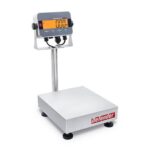
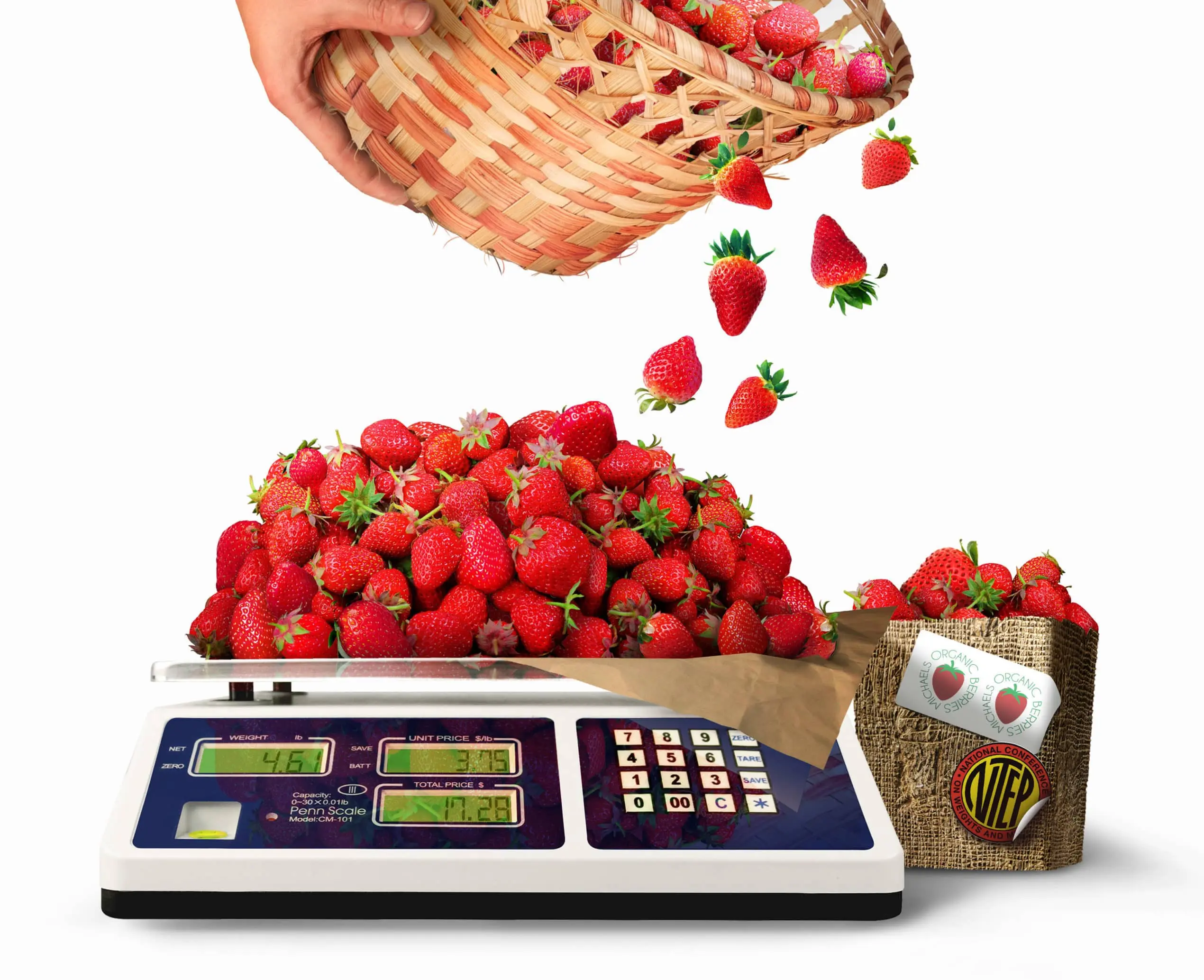
In a business setting, a scale is more than a convenience; it’s a critical piece of equipment that impacts the bottom line. Commercial and industrial scales are built for durability, high capacity, and accuracy under constant use. You’ll find them in delis for pricing meat and cheese, in bakeries for portioning dough, and in warehouses for weighing packages. Many of these are “Legal for Trade,” meaning they are certified for use in transactions where price is based on weight. From compact bench scales to heavy-duty floor models, these tools are designed to deliver precise, repeatable measurements you can count on for your business operations.
Decoding the Features: What Really Counts?
When you start shopping for a digital scale, the list of features can feel a little overwhelming. From app connectivity to body composition analysis, it’s easy to get lost in the technical details. But here’s the good news: you don’t need every bell and whistle. The key is to understand which features actually matter for your specific needs. Whether you’re a baker perfecting a recipe, a business owner managing inventory, or someone tracking their health journey, knowing what to look for will help you find the perfect match. Let’s break down the most important features so you can feel confident in your choice.
Accuracy, Calibration, and Capacity
First and foremost, a scale needs to be accurate. The whole point is to get a measurement you can trust, whether you’re weighing flour for a cake or a package for shipping. Look for scales that promise consistency, meaning they give you the same reading if you weigh the same item multiple times. For commercial use, this is non-negotiable. To maintain that accuracy over time, regular calibration is essential. This process adjusts the scale to a known standard. Finally, consider the capacity, which is the maximum weight the scale can handle. A kitchen scale might only need a 10-pound capacity, while an industrial bench scale may need to handle hundreds of pounds.
The Display, Units, and Usability
What good is an accurate reading if you can’t see it? A large, bright, and backlit display makes a world of difference, especially in a dimly lit kitchen or a busy warehouse. Also, check the units of measurement. Most digital scales easily switch between grams, ounces, pounds, and kilograms, which is incredibly helpful for following different recipes or working with international standards. Beyond the basics, think about overall usability. Are the buttons intuitive? Is the surface easy to clean? Some scales are designed to be incredibly simple, while others, like many smart scales, can work with or without an app, giving you flexibility in how you use them.
Build Quality and Platform Size
A scale is a tool, and like any good tool, it should be built to last. The materials tell you a lot about a scale’s durability. Tempered glass is common for bathroom scales, but for food-related tasks, stainless steel is a fantastic choice. It’s tough, resistant to stains and odors, and easy to sanitize, which is why you’ll see it on most commercial restaurant scales. The size of the weighing platform also matters. A larger platform offers more stability for bulky items and a more comfortable stance for personal weighing. Make sure the platform size is practical for what you plan to weigh most often.
App Connectivity and Data Syncing
Many modern scales are “smart,” meaning they use Bluetooth or Wi-Fi to connect to an app on your phone. This is where data tracking becomes effortless. Instead of manually logging your weight or other metrics, the scale syncs the information automatically. This allows you to see trends over time, which is incredibly motivating for health and fitness goals. The best smart scales offer seamless syncing and present your data in easy-to-understand charts and graphs. For businesses, this same technology can be applied to inventory management, creating a digital log of weighed items for better record-keeping.
Body Composition: What Do the Numbers Mean?
Beyond just weight, many smart scales offer to measure body composition metrics like body fat, muscle mass, water percentage, and bone density. They do this using a technology called bioelectrical impedance analysis (BIA), which sends a tiny, harmless electrical current through your body. It’s important to know that these are estimates. While they may not be as precise as a clinical test, they are excellent for tracking trends. If you see your body fat percentage trending down and muscle mass trending up over several weeks, you know your hard work is paying off. The key is to use the scale consistently, at the same time of day, to get the most reliable body fat scale accuracy.
An Overview of Popular Scale Brands
When you start shopping for a scale, you’ll quickly notice a few brand names that appear again and again. The market includes everyone from century-old industrial manufacturers to modern tech companies specializing in smart home gadgets. Understanding who these brands are and what they focus on can help you zero in on the right product much faster. Some are built for the high-demand environment of a professional kitchen, while others are designed to sync with your phone’s health app. Let’s walk through some of the most popular brands you’ll encounter so you can get a feel for where they fit in the world of weighing.
Penn Scale
As a family-owned company with over a century of experience, we at Penn Scale have built our reputation on durability and accuracy. We got our start in 1923, and we still use time-tested manufacturing techniques to create scales that last. We specialize in dependable mechanical and electronic scales for commercial use, including the kinds of restaurant scales and bench scales that businesses rely on every day. We’re not just a manufacturer of our own Penn Scale line; we are also a master distributor for other top brands. This allows us to provide a comprehensive selection of weighing solutions, all backed by our deep industry knowledge.
Ohaus
Ohaus is a name that’s synonymous with precision. You’ll often find their scales in laboratories, industrial settings, and any environment where exact measurements are non-negotiable. As a brand we proudly distribute, Ohaus has a long-standing history of producing high-quality, reliable weighing instruments. Their products range from heavy-duty industrial scales to highly sensitive analytical balances. If your work requires meticulous accuracy and you need a scale that can deliver consistent, trustworthy results day in and day out, Ohaus is a brand that has earned its place at the top of the industry. Their commitment to quality makes them a go-to for professionals in our shop.
Withings
Pivoting to the world of personal health, Withings is a major player in the smart scale market. The brand is known for its sleek, minimalist designs and powerful health-tracking capabilities. For instance, the Withings Body Smart Bathroom Scale is recognized for its ability to measure body fat percentage, muscle mass, and water percentage. This makes it a comprehensive tool for anyone looking to monitor more than just their weight. Withings scales are designed to give you a holistic picture of your body composition, syncing the data to an intuitive app so you can track your progress over time.
Garmin
If you already use a fitness tracker or GPS watch, the Garmin brand likely needs no introduction. Known for its robust ecosystem of fitness technology, Garmin has extended its expertise into smart scales. The primary advantage of a Garmin scale is its seamless integration with the Garmin Connect app. For existing users, this means your weight and body composition data appear right alongside your daily steps, sleep patterns, and workout stats. This creates a single, unified dashboard for all your health and wellness information, making it an ideal choice for athletes and data-driven individuals already invested in the Garmin ecosystem.
RENPHO
RENPHO has become a household name by making smart scale technology accessible to everyone. The brand is widely popular for its affordability and impressive functionality. For example, the RENPHO Smart Scale offers an 8-electrode body composition analysis, providing detailed metrics like BMI and muscle mass at a price point that’s hard to beat. This combination of value and performance has made RENPHO one of the best sellers on platforms like Amazon. If you’re curious about tracking your body composition but don’t want to make a huge investment, RENPHO offers a feature-rich entry into the world of smart scales.
Etekcity
Etekcity is another brand that consistently earns top marks for its blend of affordability, accuracy, and smart features. Forbes Vetted even named the Etekcity Smart Scale the best bathroom scale overall because it monitors more than a dozen body metrics and has glowing reviews, all while remaining budget-friendly. Many of its models are praised for their Wi-Fi connectivity, which allows for effortless and automatic syncing with its companion app. For users who want a reliable, well-regarded smart scale that delivers a ton of data without a premium price tag, Etekcity is a fantastic and highly recommended option.
How to Pick the Perfect Scale for You
Finding the right scale comes down to one simple question: What do you need to weigh? The perfect scale for a baker is different from the one a fitness enthusiast needs, and neither would hold up in a bustling restaurant kitchen. Your daily tasks and long-term goals will point you toward the right features, capacity, and design. Let’s walk through the most common uses to help you find the perfect match for your countertop, bathroom, or business.
For Home Kitchens and Meal Prep
If you’re a home cook, a kitchen scale is your secret weapon for perfectly consistent results, whether you’re baking bread or portioning meals for the week. Look for a model with a “tare” or “zero” function, which lets you subtract the weight of your bowl to measure ingredients accurately. The ability to switch between grams and ounces is also a must. You can find great digital kitchen scales that are durable enough for daily use without breaking the bank, giving you the precision you need to follow any recipe with confidence.
For Tracking Fitness and Body Composition
When your goal is to track your health, a simple bathroom scale is just the start. For a more complete picture, a smart scale can be a fantastic tool. These scales sync with an app on your phone to track not just your weight but also other health metrics. Many models estimate your Body Mass Index (BMI), body fat percentage, and muscle mass. While these numbers are estimates, tracking their trends over time can give you valuable insight into how your body is changing in response to your diet and exercise routine.
For Restaurants and Commercial Kitchens
In a commercial kitchen, a scale is more than a tool; it’s essential for consistency, cost control, and speed. Consumer-grade scales just can’t handle the demands of a professional environment. You need a durable, fast, and precise scale that can withstand spills and constant use. Look for commercial restaurant scales that offer precise measurements for everything from portioning ingredients to weighing bulk goods. Features like stainless steel platforms make cleanup easy, ensuring your kitchen keeps running smoothly and your dishes remain consistent for every customer.
Digital Scale Myths, Busted
Digital scales are fantastic tools, but they’re also surrounded by a lot of chatter and a few persistent myths. It’s easy to get confused about what’s true and what’s just marketing hype. Let’s clear the air and bust some of the most common misconceptions about digital scales so you can feel confident in the tool you choose and the numbers you see.
Myth: “Digital is always more accurate than analog.”
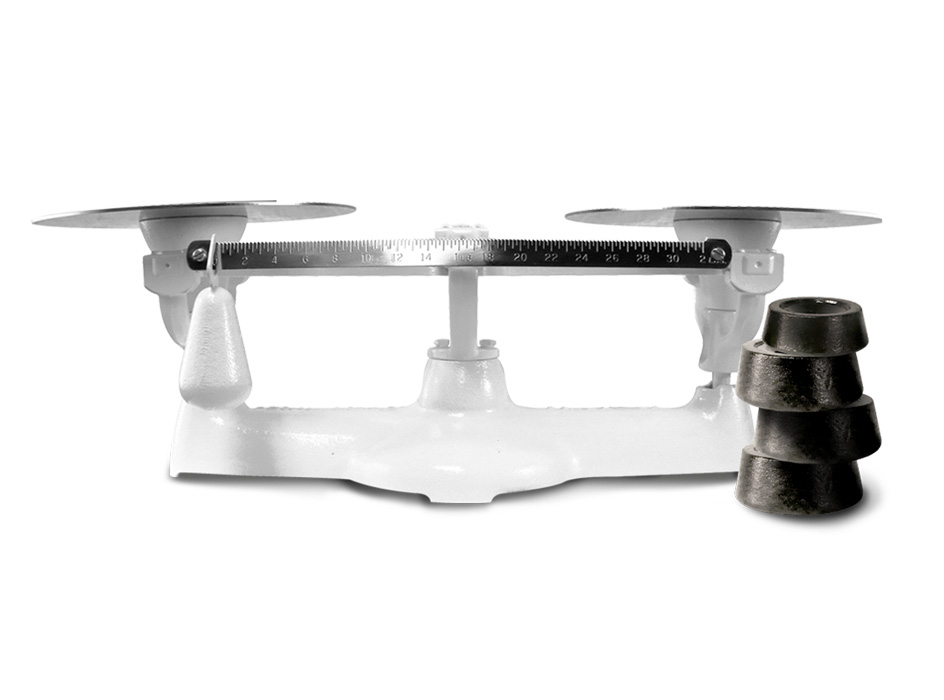
It’s a common belief: a digital screen with a number down to the decimal point must be more accurate than a spinning dial. While digital scales offer impressive precision, their accuracy isn’t a given. The truth is, a scale’s reliability comes from the quality of its internal components and its calibration, not its display type. A high-quality, durable mechanical kitchen scale that’s properly calibrated can easily outperform a cheap, flimsy digital model. The key takeaway is that both digital and analog scales can be highly accurate; what matters most is investing in a well-made instrument from a reputable brand.
Myth: “All smart scales measure body composition the same way.”
Many smart scales offer to measure body fat, muscle mass, and more using a technology called bioelectrical impedance analysis (BIA). This sends a tiny, harmless electrical current through your body to estimate your composition. However, not all scales perform this task equally. The algorithms and sensor quality vary wildly from one brand to another. Research suggests that while these scales can be useful for tracking trends over time, their measurements are estimates. It’s best to view the numbers as a guide for your personal health journey rather than a precise diagnostic tool. The accuracy of body fat scales can differ, so consistency is more important than the exact number.
Myth: “Smart scales are just for weight loss.”
If you think smart scales are only for people trying to lose weight, you’re missing out on a bigger picture. While weight tracking is a core function, many of today’s scales are complete health monitoring stations. The best bathroom scales can provide insights into muscle mass, water percentage, bone density, and even your Body Mass Index (BMI). This data helps you build a more holistic understanding of your health. Whether you’re an athlete looking to build muscle or someone simply focused on maintaining your overall wellness, these features offer valuable information that goes far beyond a single number.
The Real Scoop on Smart Digital Scales
Smart scales have become incredibly popular, and it’s easy to see why. They promise to give you a full picture of your health, tracking everything from body fat to bone mass with just one step. The idea is to offer more context than a simple weight measurement, connecting to apps on your phone to show you trends and detailed metrics over time. For anyone who loves data, this sounds like a dream. You get a dashboard for your own body, which can be a powerful tool for staying motivated on a health journey.
However, with all the hype comes a lot of questions. Are these extra measurements accurate? Can you really trust the numbers your scale is giving you about your body composition? The truth is, there’s a big difference between what users love about these scales and what they find frustrating. While the convenience is undeniable, the reliability of the data is a major point of discussion. Before you invest in a scale that promises to measure it all, it’s helpful to understand both sides of the story. Let’s break down what people are actually saying about their smart scales, from the features they can’t live without to the complaints that come up time and time again.
What Users Love
The biggest draw for smart scales is their seamless connectivity. Users rave about how the scale automatically syncs data to a smartphone app, creating an effortless log of their progress. This eliminates the need for manual tracking and makes it easy to see trends at a glance. Many people also find it motivating to track metrics beyond weight. Seeing an increase in muscle mass or a steady heart rate can be encouraging, especially on days when the number on the scale doesn’t move. Features like Wi-Fi connectivity and rechargeable batteries add to the convenience, making the entire experience feel modern and user-friendly. For many, this automatic weight tracking is a complete game-changer.
Common Complaints and Wish Lists
On the flip side, the most common complaint is a big one: accuracy. While users generally trust the weight measurement, they are often skeptical of the body composition numbers. Many report that metrics like body fat percentage seem to be rough estimates rather than precise measurements. This skepticism is well-founded. Most smart scales use bioelectrical impedance analysis (BIA), which can be influenced by hydration levels, recent meals, and even exercise. Research suggests that while these scales can show trends, the absolute numbers may not be completely reliable. This leads many users to wish for more transparency about how these body fat scale accuracy calculations are made and to take the extra data with a grain of salt.
How Much Should You Expect to Pay?
Figuring out a budget for a digital scale can feel tricky because prices are all over the map. You can find a simple kitchen scale for the price of a fancy coffee or invest in a commercial-grade system that costs hundreds. The right price for you really depends on what you need the scale to do. Are you occasionally weighing flour for a weekend baking project, or are you portioning ingredients in a busy restaurant kitchen all day long?
Generally, as the price increases, you can expect to see improvements in three key areas: accuracy, durability, and capacity. A more expensive scale will likely give you more precise measurements, withstand more wear and tear, and handle heavier loads. Let’s break down what you can expect to find at different price points so you can find the perfect match for your needs and your wallet.
Budget-Friendly Picks (Under $30)
In this price range, you’ll find a wide variety of digital scales perfect for general home use. These are typically compact kitchen scales designed for measuring baking ingredients or portioning meals. They usually offer basic features like a tare function (to zero out the weight of a container) and the ability to switch between grams and ounces. While they are great for casual cooking and getting started with more precise recipes, they aren’t built for high-volume use. The construction is often plastic, and their maximum capacity is usually limited to around 11 pounds (5 kilograms), making them best suited for light-duty tasks in a home kitchen.
Solid Mid-Range Options ($30–$70)
This price point is the sweet spot for many people, from serious home cooks to small businesses. In this range, you start to see scales with better build quality, like stainless steel platforms that are more durable and easier to clean. For personal health, this is where you’ll find smart scales that track body composition metrics. For food-related tasks, you’ll find higher-capacity kitchen scales and entry-level restaurant scales that offer greater precision and can handle the demands of a busier environment. If you rely on a scale for daily meal prep, a small baking business, or a coffee shop, investing in a mid-range model often provides the best balance of performance and price.
Premium and Commercial-Grade Scales ($70+)
Once you cross the $70 mark, you enter the world of premium and commercial-grade equipment. These scales are designed for performance, longevity, and unwavering accuracy. This category includes heavy-duty bench weighing equipment for industrial applications, high-precision models for specialty retail, and scales that are “Legal for Trade” certified, which is a requirement for selling products by weight. You can expect robust construction using materials like cast iron and heavy-gauge steel. Many of these scales also feature advanced options, like separate digital scale indicators for custom setups. If your business depends on exact measurements day in and day out, this is the category where you should be looking.
Get an Accurate Reading, Every Single Time
A great scale is only half the battle. To get a measurement you can truly trust, a few simple habits can make all the difference. Whether you’re portioning ingredients in a busy kitchen or tracking personal health goals, how you use your scale matters just as much as which one you buy. These four tips will help you ensure your readings are consistent and correct every single time, turning your scale into a reliable tool for years to come.
Start with a Hard, Flat Surface
Think of your scale’s feet as its foundation. For it to work correctly, that foundation needs to be solid. Placing your scale on a soft surface like a carpet or an uneven one like cracked tile can throw off the sensors, leading to inaccurate readings. The scale might wobble or fail to distribute the weight evenly, which is a recipe for a wrong number. Always place your scale on a hard, flat surface like hardwood, level concrete, or a sturdy countertop. This gives the internal mechanisms the stability they need to do their job and provide a weight measurement that you can trust.
Calibrate Your Scale Regularly
Over time, even the best scales can drift from their perfect zero point. Moving your scale, changing the batteries, or even big temperature swings can affect its accuracy. That’s where calibration comes in. Think of it as a quick tune-up that resets your scale to its factory settings. Many modern digital scales have a simple calibration function, and you can usually find instructions for it in the user manual. Making it a habit to calibrate your scale every so often, or anytime you move it, is a simple step to maintain its precision and ensure your readings stay reliable.
Weigh In at a Consistent Time
If you’re using a scale to track your personal weight, you’ve probably noticed the number can change throughout the day. This is completely normal. Your weight can fluctuate based on what you eat and drink, your activity level, and other factors. To get a clear picture of your progress, consistency is key. Try to weigh yourself at the same time each day, under the same conditions. A popular routine is to do it first thing in the morning, after using the restroom and before eating or drinking anything. This helps you track the overall trend, giving you more reliable measurements over weeks and months.
Simple Care and Maintenance
Proper care is essential for your scale’s longevity and accuracy. Keep the surface clean by wiping it with a slightly damp cloth, but avoid using harsh chemicals or submerging it in water, as moisture can damage the electronic components. When you’re not using it, store your scale on a flat surface in a dry area where it won’t get bumped or dropped. Taking these small steps will help protect the sensitive load cells and ensure your scale performs well for a long time. It’s a simple way to protect your investment and honor the durable manufacturing that goes into a quality scale.
Ready to Find Your Perfect Scale?
Finding the right digital scale can feel like a big decision, but it really comes down to what you need it to do. For personal health tracking, the most important feature is consistency. After all, a bathroom scale should first and foremost consistently give you a weight measurement you can trust. This allows you to see real trends over time without second-guessing the numbers.
If you’re a data lover, many smart scales offer advanced features that sync with apps on your phone. These models can track metrics like body fat percentage and muscle mass, giving you a fuller picture of your overall health. While these numbers provide useful context, remember they are estimates, so it’s best to focus on the long-term trends rather than small daily fluctuations.
However, the needs of a business are completely different. If you’re equipping a restaurant, deli, or industrial space, you need a scale built for durability, higher capacity, and repeated daily use. This is where specialized commercial food scales and industrial bench scales shine. They are engineered for precision under pressure and are often certified for legal trade, which is essential for selling products by weight. As you start your search, consider what features are most important for your daily routine. Whether you need simple accuracy or commercial-grade reliability, there’s a perfect scale out there for you.
Related Articles
- Digital Food Scales – Shop Now | Penn Scale
- Digital Food Scales – Accurate Kitchen & Commercial | Penn
- Digital Electronic Weighing Scale – S2000 JR LCD | Penn Scale
- Digital Scale Indicators – Shop Online | Penn Scale
- Digital Price Computing Scale – AP-1 Series | Penn Scale
Frequently Asked Questions
Are smart scales worth it if the body fat numbers aren’t totally accurate? That’s a great question, and it gets to the heart of how to use a smart scale effectively. While the specific body composition numbers are best viewed as estimates, the real value of a smart scale is in tracking trends. Instead of focusing on the exact body fat percentage, pay attention to how that number changes over weeks and months. If you see your muscle mass trending up and your body fat trending down, you know your fitness and nutrition habits are paying off. Think of it less as a diagnostic tool and more as a motivational guide that gives you a fuller picture of your progress.
Can I use a regular kitchen scale for my small business? You can certainly start with a home kitchen scale, but you will likely outgrow it quickly. Consumer scales are not designed for the constant use and potential spills of a commercial environment. A commercial restaurant scale is built for durability and speed, using tougher materials like stainless steel. More importantly, if you sell products by weight, you may need a “Legal for Trade” certified scale to operate legally. Investing in a commercial model from the start ensures consistency for your customers and saves you from having to replace a less durable scale down the road.
My scale’s reading changes a little each time I step on it. Is it broken? Minor fluctuations don’t necessarily mean your scale is broken. The most common cause is an unstable surface. Make sure your scale is on a hard, flat floor, not on a rug or uneven tile, as this can prevent the sensors from getting a correct reading. Your own weight also naturally changes throughout the day based on hydration and meals. For the most consistent personal tracking, try weighing yourself at the same time each day, like first thing in the morning.
What does ‘calibration’ mean, and how often should I do it? Think of calibration as a quick reset that returns your scale to its true zero point, ensuring its measurements are accurate. Over time, things like moving the scale or changing the batteries can cause it to drift slightly. While you don’t need to do it every day, it’s a good habit to calibrate your scale when you first get it, after you move it to a new spot, or every few months just to keep it in top shape. Your scale’s user manual should have simple instructions on how to do it.
Besides price, what’s the biggest difference between a cheap scale and an expensive one? The biggest differences are durability, capacity, and precision. An inexpensive scale might be great for occasional use, but it’s typically made of lighter materials like plastic that won’t stand up to heavy use. As you move into higher-priced options, you’re paying for better construction, such as stainless steel platforms, and higher-quality internal sensors that deliver more precise and repeatable measurements. These premium and commercial scales can also handle much heavier loads, making them a reliable tool for businesses or serious home users who depend on accuracy every day.