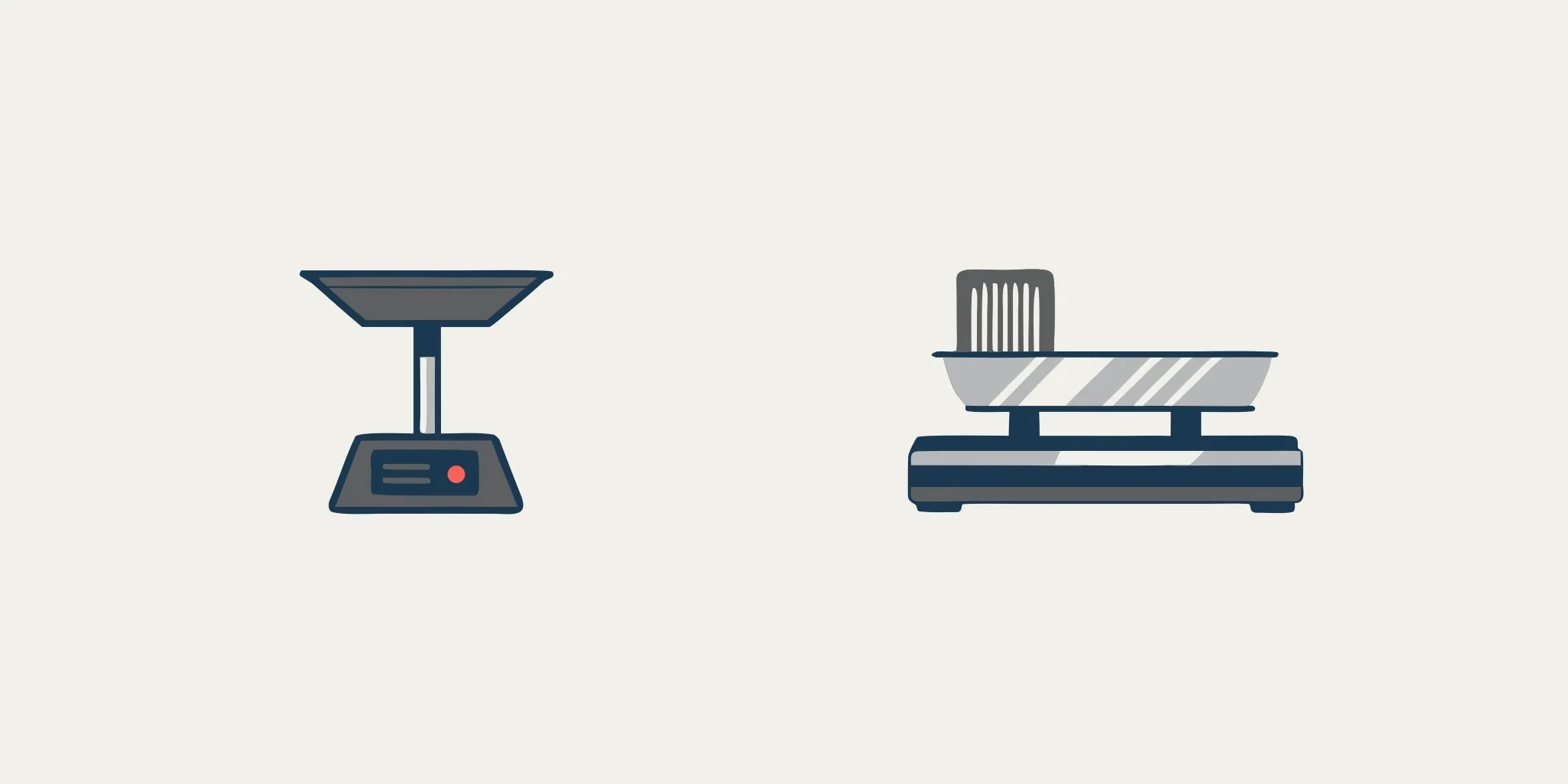
Deli Scale vs. Butcher Scales: Key Differences for Food Businesses
Schedule a free weighing solutions consultation today. Compare compact deli scales and heavy-duty butcher scales to find the right legal-for-trade equipment.
Penn Scale has provided reliable weighing solutions since 1923 as a trusted family-owned business. Business food sales need precise tools that meet state legal rules for exact weights. Picking the right tools ensures your shop stays legal and fast.
Butcher scales are heavy-duty tools built to weigh large meat cuts and bulk shipments in rugged work areas using high weight limits and stainless steel. These scales feature heavy builds that resist rust from water or animal fats while providing the exactness needed for a busy and expert meat shop. In contrast, deli scales are small tools designed for quick retail service where clerks weigh small parts and use dual displays to show prices to customers. Both models must be legal-for-trade to ensure fair pricing, but butcher tools handle large loads while deli models include keys to subtract package weight easily. Choosing the right scale depends on whether you are weighing small amounts of sliced ham or whole sides of beef for your food service business.
To find the best tool for your shop, you must understand how these two scales function in a real setting. We will begin by looking at the common retail option. The path begins with Understanding the Basics: What is a Deli Scale?
Understanding the Basics: What is a Deli Scale?
A deli scale is a tool built for retail food stores. It does much more than just show the weight of an item. These tools help clerks find the total price of food based on how much it weighs.
At Penn Scale, we have helped shops find the right tools since our start in 1923. We know that picking the right gear is key to a smooth and good shop. Many shops use these scales to sell fresh meat, cheese, and salads.
The role of price computing
The main job of a deli scale is price computing. In a food store, these tools help clerks find the charge based on the price per unit. This is a vital step when you sell items by weight rather than by the piece.
You will often see these tools in baker shops, meat rooms, and sandwich shops. Some people also use the term butcher scales when they use them in a meat shop. A price computing scale helps make sure the bill is right for every shopper.
Customer transparency and dual displays
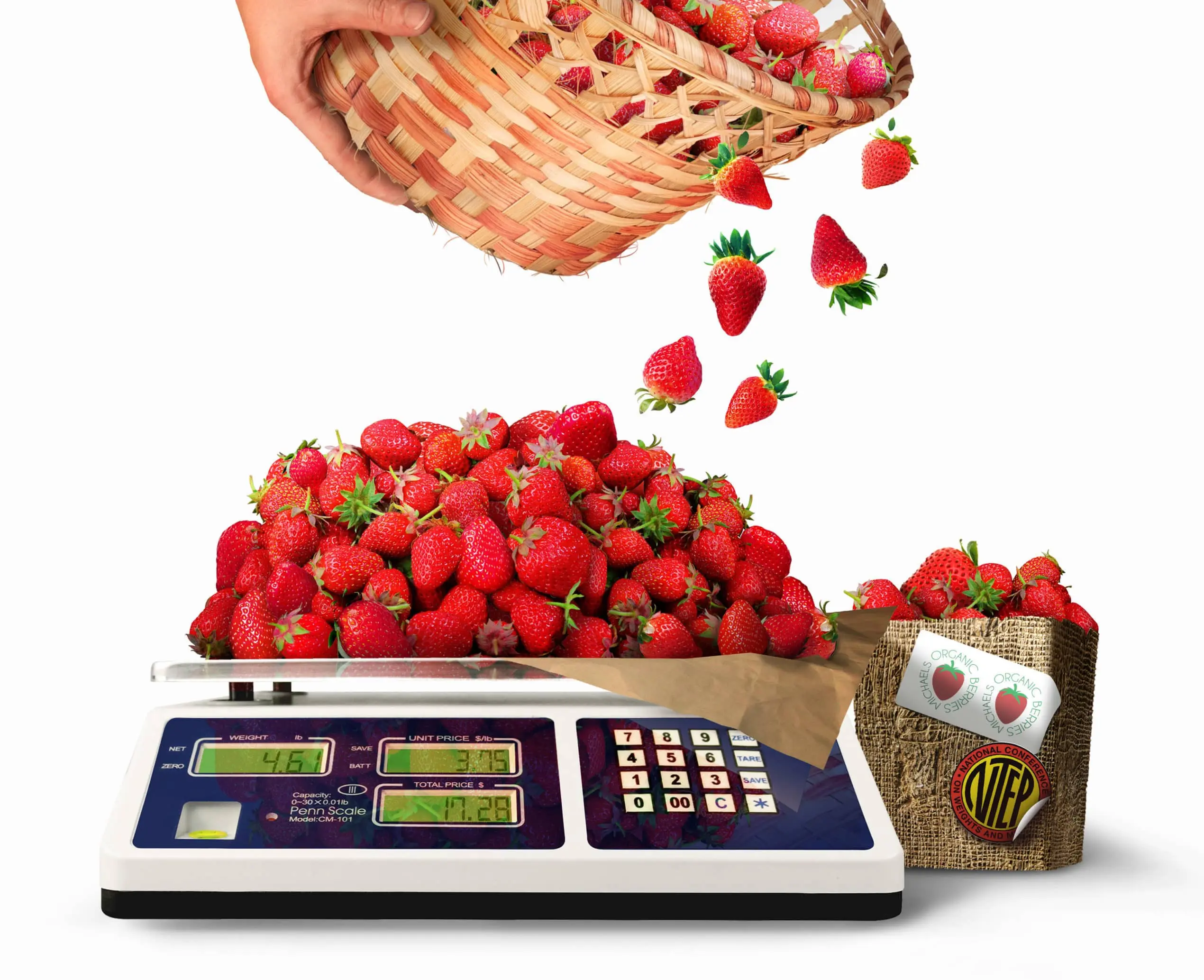
Trust is a big part of any retail sale. A standard deli scale must show clear data to both the clerk and the shopper. To do this, these tools often feature two screens. One screen faces the worker behind the counter.
The other screen faces the shopper. Both people must be able to see the weight, the unit price, and the total price at the same time. This keeps the sale open and fair for everyone.
Clear screens help reduce errors and keep your shoppers happy. These displays are a must for any retail scale. They help shoppers feel good about the price they pay for their food.
Practical design and tare functions
Deli scales are usually small and light. They have a compact design to fit on narrow counters. Space is often very tight next to meat slicers or glass cases. These scales sit neatly in the front of the house.
Their small size does not stop them from being very strong and exact tools. They are a big part of most commercial weighing solutions for food retail. These tools help workers move fast and keep the line moving.
Another key feature is the tare function. This tool lets a worker subtract the weight of a plastic tray or thick paper. The shopper then only pays for the actual food product. This ensures that every sale is exact and fair.
Say you do not want to pay for the weight of the plastic tub your salad comes in. The worker hits a button to zero out the container weight before adding the food. We help our clients pick the best tools for their needs with our expert advice.
Heavy-Duty Weighing: What is a Butcher Scale?
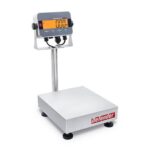
A butcher scale is a heavy-duty tool built for the tough needs of meat shops and food plants. These tools handle large, raw items like whole sides of beef or heavy tubs of grind. Unlike small deli tools, butcher scales must work well in wet areas where blood and water are common. Most units use stainless steel parts to stop rust and make clean-up easy after a long shift.
Built for bulk and weight
One main trait of these tools is their high weight limit. Many models can weigh meat, fish, and other goods up to 500 pounds. Large butcher bench scales have big platters to hold heavy cuts for bulk sales. These tools stay precise even when you pile on massive loads of trim for sausage making. High accuracy is a must, as NIST standards for weighing tools help make sure buyers get exactly what they pay for at the shop.
Hanging and bench designs
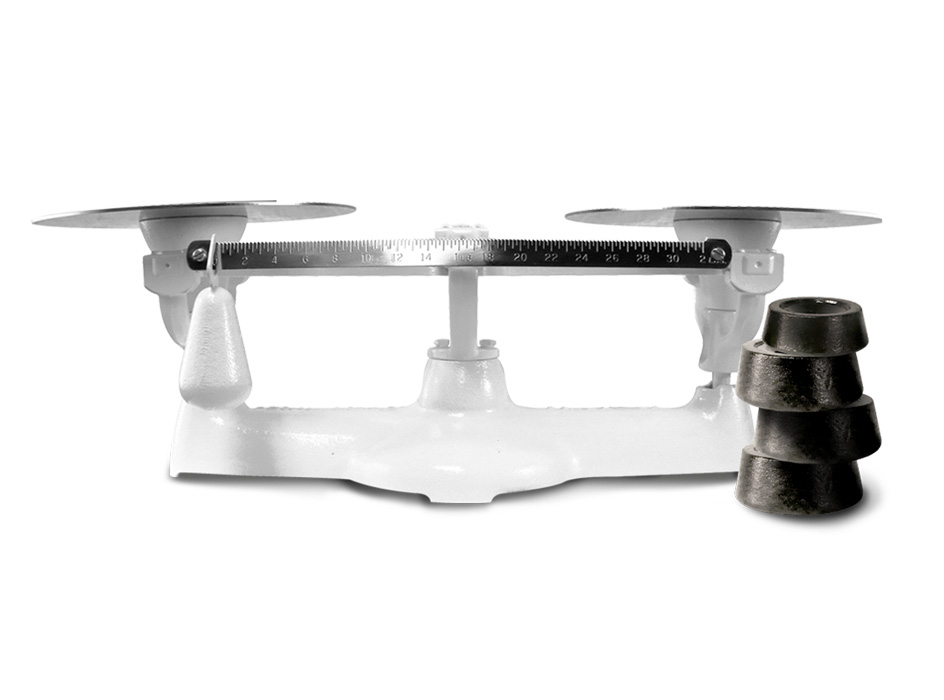
Butchers often use different scale shapes for different tasks. Heavy-duty hanging scales are a top pick for weighing large animal carcasses in lockers. Some of these use mechanical spring parts to handle the stress of a hanging load. Other shops use digital butcher and portion scales on a bench for smaller, precise cuts. These bench models often have high-tech parts that can read weights down to small fractions for exact meat portioning. For the largest jobs, shops use big platform scales to weigh tubs of meat during high-volume grind work.
Key Differences Between Deli Scales and Butcher Scales
Picking the right tool depends on your food business needs. Deli and butcher scales serve very distinct roles in a shop. A deli scale works best for front-of-house sales and fast tasks. We help you tell these tools apart so you can work well and keep your costs low.
Penn Scale is a family-owned expert that has served shops since 1923. It helps workers weigh thin meat or cheese slices for quick meals. A butcher scale handles raw meat and bulk goods in the back of the shop. Using the right scale for each job saves you time and money.
Weight Capacity and Size
Deli scales are usually small and light. They fit well on narrow counters next to meat slicers or display cases. These compact tools work best for light portions and small retail orders. Their small size makes them easy to move as your needs change.
Butcher scales handle much larger loads. Heavy-duty hanging models can weigh fish or meat up to 500 pounds. Some shops use big platform scales to weigh tubs of meat trim for sausage. If you need to check large meat loads from a wholesaler, a high-capacity butcher scale is the best pick.
Features for Sales and Prep
The main task of a deli scale is to figure out the final price. These tools show the weight, unit cost, and total price to both the clerk and the buyer. They also use a tare key to subtract the weight of bags or paper. This makes sure the buyer only pays for the actual food.
Many butcher scales focus on portioning instead of retail price. These tools measure exact weights to keep food costs level. High-end digital butcher tools often use fine load cells. These parts allow for deep accuracy for even the smallest cuts of costly meat.
Cleaning and Care Rules
Cleaning is vital for any food shop that deals with raw products. Scales that touch raw meat must follow strict FDA food safety rules for smooth surfaces. Butcher scales often use high-grade stainless steel. This metal resists rust from blood, animal fats, and harsh soap.
Many business meat tools also have a washdown rating. This means you can spray them with water to clean off meat juices safely. Standard deli scales usually only need a quick wipe with a damp cloth. They are not built for wet rooms or heavy water sprays.
| Feature | Deli Scale | Butcher Scale |
|---|---|---|
| Weight Limit | Low (under 60 lbs). | High (up to 500 lbs). |
| Primary Use | Retail sales and pricing. | Bulk weighing and portioning. |
| Clean Method | Dry wipe only. | Full washdown safe. |
| Display Type | Dual screens for buyers. | Single high-contrast screen. |
| Frame Material | Plastic and light metal. | Heavy-duty stainless steel. |
Legal for Trade: NTEP Certification Requirements
When you sell food by weight, your scale must be “legal for trade.” This means the device meets strict rules for accuracy and fairness. In the United States, most states want scales used for commercial sales to have an active National Type Evaluation Program (NTEP) Certificate of Conformance. This proof shows the scale design follows NIST Handbook 44, which is the national guide for weighing tools.
The Role of NTEP Evaluation
The NTEP process tests a sample of the scale before it goes to a store. Experts check if the tool can work well in a shop while staying right on the mark. This testing ensures that legal for trade purposes are met by every unit of that model. For a butcher or deli owner, using a certified scale protects both the shop and the buyer from errors.
Weights and Measures Checks
Buying a certified scale is only the first step. Local weights and measures staff must check and seal the tool before you can use it for trade. These staff check that the scale is level and set right. They often place a physical seal or sticker on the unit. State laws also call for regular calibration checks to verify that the scale stays accurate as time goes by.
Locking Your Scale Settings
To stop fraud, legal for trade scales must have a way to lock their settings. This is often a physical seal or a digital audit trail. These safety features stop anyone from making changes to how the scale measures weight. Keeping these calibration security rules is a must for staying within state laws. If you need help finding the right tools, Penn Scale offers many butcher scales that meet these tough legal rules.
Choosing the Right Scale for Your Food Business
Selecting the best tool for your food shop depends on how you use it. You must find a unit that meets your needs for speed, size, and law. Use these steps to pick the right butcher scales for your daily work.
Check Your Load and Accuracy
First, look at the weight of the items you sell. You need a scale with the right capacity for your heaviest cuts. It must also be precise enough for small portions. Per the NIST, you must check the minimum load and accuracy class of the device to ensure it fits your goal.
Verify Legal for Trade Status
If you sell food by weight, your scale must be legal for trade. This means it needs an NTEP seal. State and local laws require regular checks of these scales to keep them accurate. The unit must also have a lock or audit trail to stop any changes to the calibration settings.
Pick Key Tool Features
Next, think about the tools your team needs to work fast. A busy deli might need a scale that prints labels with prices and barcodes. A butcher shop may need a heavy-duty model to check bulk meat as it arrives. These receiving scales help you audit meat shipments to prevent losses from the wholesaler.
- Set Your Max Weight: Find the heaviest item you will weigh. Choose a scale with a capacity that is slightly higher than that peak load.
- Check Sanitation: Look for scales made of stainless steel. These units are easy to clean and help you meet high food safety standards.
- Pick Your Power: Decide if you need a plug-in unit or a battery model. Battery scales are great for farmers markets or mobile food trucks.
- Plan for Labels: Determine if you need to print price tags. Many retail scales now come with thermal printers to make checkout fast and easy.
Consult with Experts
If you are still not sure, ask a pro. Penn Scale has been a family-owned weighing expert since 1923. We help you pick the best gear for your shop. We also sell American-made baker’s scales and other top brands to fit any food business needs.
Frequently Asked Questions
Can I use a standard kitchen scale for my butcher shop?
No, you cannot use a standard kitchen scale for a butcher shop. Any scale used to sell products by weight must be “legal for trade.” According to the NIST, these devices need a special certificate of proof. This shows the scale meets strict rules for accuracy. Home scales do not have this mark. They also lack the security seals that state laws need. Using them in a business can lead to large fines.
What is the maximum weight capacity for a butcher scale?
Butcher scales are built for heavy tasks and can handle much more weight than deli scales. While a deli scale usually tops out at 60 pounds, a heavy duty butcher scale can weigh up to 500 pounds. These tools come in different styles, such as bench scales or hanging scales. According to Central Carolina Scale, large hanging models are best for weighing whole sides of meat or fish. This high capacity makes them vital for meat processing.
Do butcher scales come with price computing features?
Yes, many modern digital butcher scales include price computing tools. These scales often feature Price Look-Up (PLU) memory to store the cost of different meat cuts. This helps shops work faster by finding the price per pound quickly. However, not all butcher scales have this. Some models focus only on weight for portioning or bulk processing. If you need to ring up customers directly, ensure the scale has a dual display so the buyer can see the total cost.
Why are stainless steel platters important for butcher scales?
Stainless steel platters are vital for butcher scales because they are easy to clean and sanitize. Raw meat can leave behind fluids and germs that might spoil other food. Stainless steel does not rust and resists damage from strong cleaning soaps. Most commercial scales for meat shops use this metal to meet health codes. It provides a safe surface for food and keeps the scale working well for a long time in damp or messy rooms.
Ready to request a free weighing solution consultation?
Choosing the wrong weighing scale can lead to weighing errors that hurt your profits. You also risk fines if your gear is not legal for retail trade. By picking the right weighing scale now, you can ensure accuracy and keep your shop running well. Penn Scale has helped food businesses find the best gear since 1923. Our expert team knows the legal rules you must follow for your exact work. Starting today lets you focus on your customers with total trust in your new scales.
Ready to find the right scale? Call 610.420.3727 to request a free weighing solution consultation and talk to an expert today.