
The Best Kitchen Scale for Sourdough: 5 Top Picks
Find the best kitchen scale for sourdough with these top 5 picks. Get accurate, reliable measurements for perfect bread every time you bake.

Every sourdough loaf represents an investment of your time, effort, and ingredients. When a bake fails, it’s more than just disappointing; it’s wasteful. The most common culprit behind an inconsistent bake is inaccurate measurement. A reliable scale protects your investment by ensuring your ratios are perfect every single time. It pays for itself with every successful loaf. Instead of hoping for the best, you can bake with confidence. Let’s explore the features that matter most, so you can choose the best kitchen scale for sourdough and make every bake a success story.
Key Takeaways
- Embrace weight over volume: Using a scale to measure in grams is the only way to guarantee consistent hydration ratios and repeatable results, taking the guesswork out of your baking.
- Focus on three essential features: A great sourdough scale needs a high capacity (over 11 lbs or 5 kg) for heavy bowls, a responsive tare button for adding ingredients seamlessly, and a clear, unobstructed display.
- Invest in a scale that fits your goals: Consider your batch sizes and need for precision. A high-capacity model suits bulk baking, while a separate, sensitive scale is perfect for accurately measuring small but critical ingredients like salt.
What to Look for in a Sourdough Scale
Finding the right scale for sourdough is about more than just measuring flour. Sourdough baking is a craft that depends on consistency, and your scale is the most important tool for achieving it. While any old kitchen scale might work for a batch of cookies, sourdough requires a bit more from its equipment. You’ll be working with heavy bowls, sticky dough, and precise hydration ratios that can make or break your loaf.
When you start looking at scales, you’ll see a lot of options. The key is to focus on the features that directly impact your baking process. Think about the total weight of your ingredients plus your mixing bowl, the need for gram-level precision, and the messy reality of a flour-dusted countertop. A great sourdough scale is accurate, easy to use, and tough enough to handle daily use for years to come. Let’s walk through exactly what features you should prioritize to find a scale that will become a reliable partner in your baking adventures.
Capacity: How Much Dough Will You Make?
First, consider how much weight your scale needs to handle. Sourdough recipes often start in large, heavy mixing bowls. When you combine a few kilograms of flour and water with a ceramic or glass bowl, the total weight adds up quickly. Some bakers even mix their dough directly in a heavy Dutch oven liner. For this reason, you’ll want a scale with a capacity of at least 20 pounds (about 9 kilograms). This gives you plenty of room to work without maxing out your scale, ensuring you get an accurate reading every time. A higher capacity also means you can easily scale up your production to make multiple loaves at once. Many bench scales offer the perfect combination of high capacity and precision for serious home bakers.
Accuracy: Why Precision Is Key
Baking is a science, and sourdough is the perfect example. Unlike cooking, where you can often get away with estimating, successful bread making relies on exact ratios. This is why weighing your ingredients is so much more accurate than using measuring cups. The amount of flour in a cup can vary wildly depending on how you scoop it. A good baking scale should measure in 1-gram increments, giving you the control needed to perfectly balance your flour, water, salt, and starter. This precision is what allows you to consistently replicate your favorite loaf and confidently experiment with new hydration levels. Investing in accurate restaurant scales can make a noticeable difference in the quality and consistency of your bread.
Tare Function: Your Must-Have Feature
If there’s one feature you absolutely cannot live without, it’s the tare function. This simple button is a baker’s best friend. It allows you to reset the scale’s display to zero at any time. You can place your empty bowl on the scale, press “tare,” and the display will go back to zero. Then, you can add your flour until you hit the target weight. Press “tare” again, and you’re ready to weigh your water in the same bowl. This feature eliminates the need for mental math or dirtying multiple containers, streamlining your workflow and making cleanup much easier. It’s a standard feature on all digital scales, but its importance in a fast-paced baking process can’t be overstated.
Find a Scale with a Clear Display
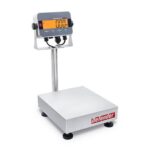
There’s nothing more frustrating than trying to peek under a large mixing bowl to read the weight on your scale. A clear, easy-to-read display is essential. Look for a scale with a large, backlit LCD screen that you can read from any angle, even in lower light. Some of the best-designed scales feature a display that pulls out or is angled away from the weighing platform, so it’s never obscured by your bowl. While you might not need a separate one for your kitchen, professional digital scale indicators show how important a clear, functional display is in any weighing application. This small detail makes a huge difference in your day-to-day use.
Prioritize Durability and Quality
Your kitchen can be a demanding environment, especially when you’re working with sticky dough and clouds of flour. Your sourdough scale should be built to handle it all. Look for a scale with a sturdy construction and a platform that’s easy to wipe clean. A scale made from quality materials will withstand accidental spills and the general wear and tear of a busy kitchen. While a cheap scale might seem like a good deal, investing in a durable model from a trusted brand like Penn Scale means you’ll have a reliable tool that lasts for years. Some bakers report their favorite scales lasting for more than a decade of daily use, which is a true testament to their quality.
Helpful Bonus Features to Consider
Beyond the core essentials, a few extra features can make your baking life even easier.
Auto Shut-Off
This feature is great for saving battery life, but look for a model where you can disable it. Sometimes you need the scale to stay on for longer periods, like when you’re waiting for your starter to peak or letting ingredients rest between steps.
Water Resistance
A water-resistant scale is a huge plus. It protects the internal components from accidental spills and makes wiping down the scale with a damp cloth worry-free.
Unit Conversion
A simple unit conversion button lets you switch between grams and ounces with a single press. This is incredibly helpful when you’re working with recipes from different sources that might use different systems of measurement.
A Non-Slip Base
A non-slip base keeps the scale securely in place on your countertop. Paired with a large weighing platform, it helps you balance big mixing bowls without worrying about them tipping over or covering the display.
Do You Really Need a Scale for Sourdough?
Let’s get straight to the point: yes, you absolutely do. If you’ve ever felt the frustration of a sourdough loaf that fell flat or a starter that just wouldn’t cooperate, the culprit is often inconsistency. Sourdough baking is less like following a casual recipe and more like conducting a science experiment where precision is everything. The single most important tool for getting repeatable, bakery-quality results is a reliable kitchen scale. It removes the guesswork that leads to disappointment and gives you the control you need to bake with confidence.
Using a scale is the difference between hoping for a good loaf and actually planning for one. It allows you to control the variables that matter most, like hydration and salt content, with exactness. While you can get by with measuring cups for a batch of chocolate chip cookies, sourdough demands more accuracy. It’s a craft built on ratios and percentages, and you simply can’t manage those with a scoop and a prayer. Investing in a good scale is an investment in your own success and sanity as a baker. It’s the foundation upon which all your other skills and techniques will be built, turning baking from a game of chance into a rewarding and predictable process.
Why Measuring Cups Fail for Sourdough
Think of your favorite measuring cup. Now, imagine that every time you used it, it held a slightly different amount. That’s exactly what happens when you measure flour by volume. One cup of flour can vary in weight by 30 grams or more depending on how you scoop it, how settled it is in the bag, or even the humidity in your kitchen. For a forgiving recipe, that might not matter. But for sourdough, that variability is a recipe for disaster. It throws off your hydration and changes the entire structure of your dough. Using a scale to measure by weight, specifically in grams, ensures that 500 grams of flour is always 500 grams of flour. It’s the only way to achieve true consistency.
Why Your Old Scale Might Not Be Enough
Maybe you already have a scale, a cheap one you picked up years ago that’s now hiding in a drawer. The problem with many basic, low-cost scales is their lack of durability and reliability. Sourdough bakers often work with heavy bowls and large batches of dough, which can strain a flimsy scale. Even worse, cheap scales can lose their accuracy over time or simply stop working without warning, leaving you stranded mid-recipe. A quality scale is built to last and provides readings you can trust, bake after bake. Investing in one of our durable restaurant scales means you won’t have to worry about your most important tool failing when you need it most.
Nail Your Hydration Ratios with Weight
If you’ve spent any time in sourdough forums, you’ve seen bakers talk about “hydration levels.” This is simply the ratio of water to flour in your dough, calculated by weight. It’s the key factor that determines your dough’s consistency, how easy it is to handle, and the final texture of your crumb. A 70% hydration dough feels and behaves completely differently from an 80% hydration dough. The only way to accurately control and replicate these ratios is by weighing your ingredients. A scale allows you to follow a recipe with precision and, more importantly, to repeat your successes once you bake that perfect loaf. Explore our shop to find the right tool to master your ratios.
Accurately Weigh Starters and Add-Ins
Your flour and water aren’t the only ingredients that need precise measurement. The amount of starter you use determines the speed of fermentation, while the salt content controls both flavor and the gluten structure. Being off by just a few grams of salt can have a noticeable impact. A good digital scale is sensitive enough to accurately measure these smaller quantities. For bakers who love experimenting with add-ins like nuts, seeds, or cheese, a scale is essential for ensuring you don’t overload the dough and compromise its structure. It helps you weigh everything from your bubbly starter to the tiniest, most critical ingredients with confidence.
Avoid These Common Scale Mistakes
Getting a great scale is the first step, but using it correctly is what truly makes a difference in your sourdough. Even the most experienced bakers can slip up, and a small mistake in measurement can have a big impact on your final loaf. The good news is that the most common errors are incredibly easy to fix once you know what to look for. Think of these tips as your secret weapons for achieving consistent, bakery-quality results every single time you bake. By avoiding these simple pitfalls, you can ensure your scale is a tool for precision, not a source of frustration. Let’s walk through a few common mistakes and how to sidestep them.
Forgetting to Tare Between Ingredients
The tare function is your best friend in the kitchen. This feature resets your scale to zero, and forgetting to use it is one of the most frequent mistakes. Imagine you’ve placed your bowl on the scale and added your flour. If you add the water without hitting “tare” first, you’re left doing mental math to figure out the correct weight. This adds stress and opens the door for errors. Instead, get into the habit of pressing tare after every single ingredient. Place your bowl, press tare. Add your flour, press tare. Add your water, press tare. This simple habit ensures every component is measured perfectly and makes the entire process smoother and more accurate. Most modern restaurant scales make this a one-touch process.
Miscalculating Hydration with Your Starter
Perfecting your dough’s hydration is a delicate balance, and it often comes down to accurately measuring very small ingredients like salt. Your main kitchen scale might be great for flour and water, but it may not be sensitive enough to precisely measure one or two grams of salt. This tiny miscalculation can affect fermentation and the final texture of your bread. To avoid this, you have two options. You can either weigh small ingredients on their own first before adding anything else to the bowl, or you can use a separate, more precise micro-scale for things like salt and yeast. This extra step guarantees your ratios are exact, giving you total control over your dough’s hydration.
Using a Scale That Can’t Handle the Weight
Sourdough recipes can get heavy, fast. If you’re making a large batch or a double recipe, the total weight of your dough can easily exceed the capacity of a standard food scale. Many smaller scales max out around 5 pounds (about 2.2 kilograms), while a healthy batch of dough can weigh twice that. When a scale is overloaded, it will either show an error message or, even worse, give you an inaccurate reading without any warning. Before you buy, check the scale’s maximum capacity. I recommend choosing one that can handle at least 11 pounds (5 kilograms) to give you plenty of room to work. Heavy-duty bench scales are perfect for bakers who like to prepare multiple loaves at once.
Forgetting to Calibrate Your Scale
Just like any precision instrument, your digital scale can drift out of accuracy over time. Factors like temperature changes, low batteries, or even just a bump on the counter can affect its readings. An uncalibrated scale might tell you you’re adding 500 grams of flour when you’re really adding 490 grams, throwing off your entire recipe. To prevent this, you should calibrate your scale regularly. You can do this using a dedicated calibration weight or an everyday item with a known weight (like a new bag of sugar). Some scales have a built-in calibration mode, which you can often find on advanced digital scale indicators. It’s a quick check that provides peace of mind, ensuring your measurements are always reliable.
Top Sourdough Scales: A Quick Comparison
When you start looking for a sourdough scale, you’ll find a lot of great digital kitchen scales on the market. To give you a quick overview of what bakers are using, here are five popular picks that are well-regarded for their performance and reliability. Each one offers something a little different, whether you prioritize budget, capacity, or special features.
-
Escali Primo: This scale is a fan favorite for a reason. It’s durable, easy to use, and has an 11-pound (5 kg) capacity that’s perfect for most home baking projects. It’s a fantastic, budget-friendly option that delivers consistent results without any complicated extras.
-
My Weigh KD-8000: If you love baking multiple loaves at once or working with large batches of dough, this scale is a true workhorse. It boasts an impressive 8000g (nearly 18 lbs) capacity and is known for its sturdy build, making it a top choice for serious home bakers and small bakeries.
-
OXO Good Grips 11 lb Scale: This scale has a simple but brilliant feature: a pull-out display. You can place a large mixing bowl on the platform without the rim blocking your view of the screen, which solves a common and frustrating kitchen problem.
-
Ooni Dual Platform Scale: For the baker who obsesses over precision, this scale is a dream. It features two separate weighing platforms. You can measure your flour and water on the large platform while simultaneously weighing tiny amounts of yeast and salt down to a tenth of a gram on the smaller one.
-
Breadtopia Digital Scale: A reliable and straightforward scale that’s perfect for both beginners and seasoned bakers. With a generous 10kg (22 lbs) capacity and an affordable price tag, it’s a solid, no-fuss tool that will help you get the job done right.
Our Top 5 Sourdough Scales, Reviewed
Alright, let’s get to the good stuff. After looking at what makes a scale great for sourdough, it’s time to see which models truly deliver. I’ve put together a list of five top-tier scales that are perfect for bakers of all levels. Each one has unique strengths, whether you’re looking for something that can handle huge batches, a scale with pinpoint precision for tiny measurements, or a simple, reliable tool to get you started. We’ll look at options from trusted brands known for their quality and accuracy. Think of this as your curated guide to finding the perfect partner for your sourdough adventures.
We’ll break down what makes each scale stand out, who it’s best for, and why it might be the right fit for your kitchen counter. As a master distributor for brands like Ohaus and A&D Weighing, we at Penn Scale know what separates a good scale from a great one. We’ve seen firsthand what works in both bustling commercial bakeries and passionate home kitchens. This list includes a mix of mechanical and digital options, each chosen for its performance and reliability. We’ll cover everything from robust, old-school mechanical scales to sleek digital models with advanced features. The goal is to give you a clear picture of what’s available so you can make a choice that feels right for your baking style and budget. Let’s find the one that will help you bake your best loaf yet.
1. Penn Scale Commercial Kitchen Scale
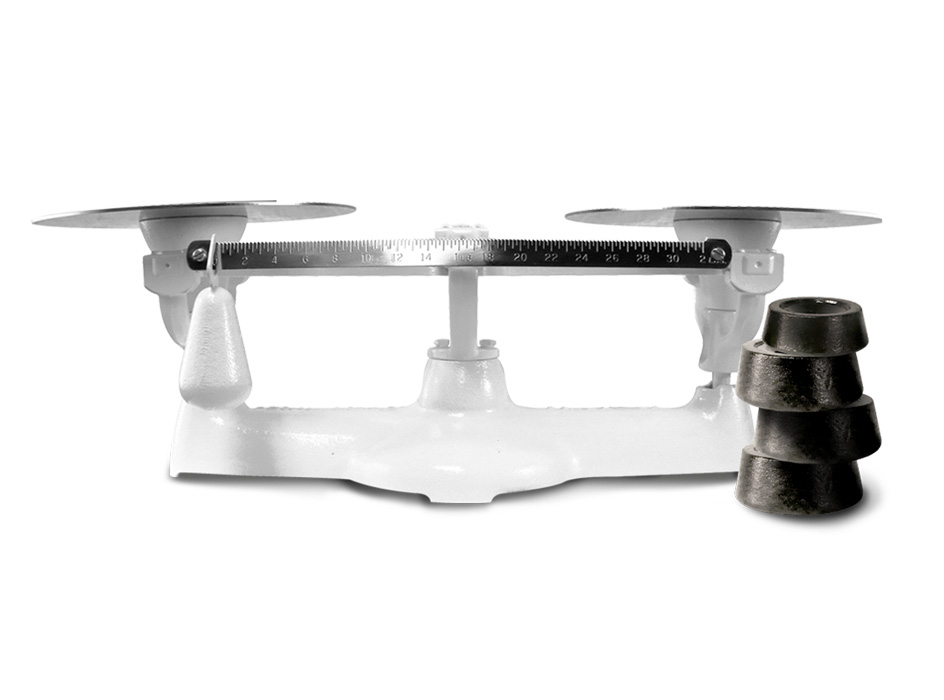
If you’re a serious baker who values durability above all else, this is your scale. The Penn Scale Commercial Kitchen Scale is a mechanical workhorse built to withstand the demands of a busy kitchen. Its large, sturdy platform easily holds big mixing bowls, so you won’t have to squint to see the dial. Speaking of the dial, it’s large and easy to read, ensuring you get precise measurements without fussing with batteries or digital screens. This scale is for the baker who plans on passing their starter and their equipment down to the next generation. It’s simple, incredibly reliable, and built to last a lifetime.
2. MyWeigh KD-8000
The MyWeigh KD-8000 is a fan favorite for a reason: it’s a versatile digital scale that strikes a perfect balance between capacity and precision. It can handle up to 8,000 grams (about 17.6 pounds), making it great for both small and large batches of dough. Its user-friendly interface includes an essential tare function and the ability to switch between units. One of its standout features is the baker’s percentage function, which lets you easily resize recipes. The MyWeigh KD-8000 is a fantastic all-arounder that brings digital convenience and thoughtful features to your baking routine.
3. Ohaus Compact Bench Scale
When consistency is everything, the Ohaus Compact Bench Scale delivers. Ohaus is a brand synonymous with precision, and this model is no exception. It offers a capacity of up to 6,000 grams and features a large, clear LCD display that’s easy to read from any angle. This scale is ideal for bakers who are meticulous about their formulas and need to trust that their measurements are exact every single time. Whether you’re measuring your starter, water, or flour, the Ohaus Compact Bench Scale provides the reliable, repeatable results you need to perfect your loaves.
4. Escali Primo Digital Scale
Simple, stylish, and incredibly accurate, the Escali Primo is a go-to for many home bakers. It’s praised for its straightforward, two-button operation, so you can get right to measuring without a steep learning curve. With a capacity of 11 pounds (5 kg), it’s more than capable of handling most home baking projects. The sealed control panel and rounded design make it easy to wipe clean, which is a huge plus when you’re working with sticky dough and stray flour. Available in a variety of fun colors, the Escali Primo Digital Scale is a reliable and attractive tool that proves you don’t need to overcomplicate things to get great results.
5. A&D Weighing Digital Kitchen Scale
For bakers who live by the mantra “every gram counts,” this scale is a dream. The A&D Weighing Digital Kitchen Scale is designed for ultimate precision, offering readability down to 0.1 grams. This is a game-changer when you’re measuring small but mighty ingredients like salt, yeast, or a tiny amount of starter for a specific levain build. While its total capacity is lower at 2,000 grams, its strength lies in accuracy. The scale includes a tare function and a clear display, making it an excellent companion for your primary scale or the perfect tool for bakers focused on highly detailed recipes. You can explore similar high-precision options from A&D Weighing to find the right fit.
Breaking Down Price and Value
Let’s talk about price. You can find a kitchen scale for less than a loaf of bread, but you can also invest in equipment that will last for years. The key is finding the sweet spot between your budget and your baking ambitions. A higher price often means better accuracy, a larger capacity, and more durable materials, which is a game-changer for frequent bakers. Think of it as an investment in consistency. When you’re just starting, any scale is better than no scale. But as you bake more, you’ll notice the limitations of a cheaper model, like a small platform or an inability to register tiny amounts of yeast. Upgrading can make your whole process smoother and your results more reliable.
The value of a good scale goes beyond just weighing flour. It’s about trusting your measurements so you can confidently follow a recipe or experiment with your own formulas. A reliable scale removes the biggest variable in baking, allowing you to focus on technique, fermentation, and flavor. Whether you’re a weekend hobbyist or a small-business owner selling loaves at the farmer’s market, the right scale supports your goals. Below, we’ll explore what you get for your money in three different tiers: budget, mid-range, and premium. This will help you decide where to invest based on how often you bake and the precision you need.
Budget-Friendly Picks
If you’re just dipping your toes into sourdough, you don’t need to spend a lot. A simple, budget-friendly scale can absolutely do the trick. You can find basic digital scales for under $20 that are compact and easy to use. While they might not have the high capacity or robust build of pricier models, they provide the essential function you need: weighing your ingredients. This is a great way to get the essential tool you need without a big upfront cost, allowing you to focus on mastering your technique first.
Mid-Range Options
Ready to move on from a basic model? Mid-range scales offer a fantastic balance of affordability and performance. This is where you start to see better durability and higher weight capacities, making them ideal for daily bread-making. These scales are workhorses, perfect for the home baker who makes bread a few times a week. They provide the reliable accuracy you need for consistent results without the premium price tag. Many commercial-grade restaurant scales fall into this category and are built to withstand constant use, making them a smart choice.
Premium Scales for Serious Bakers
For the serious baker who dreams in hydration ratios, a premium scale is a worthy investment. These high-performance models are designed for precision and heavy use. Some feature huge capacities and large platforms for big mixing bowls, while others offer dual platforms to weigh flour and yeast simultaneously with pinpoint accuracy. These features are what make a premium scale worth it for bakers who produce large batches or experiment with delicate recipes. Investing in one is like getting a professional-grade tool for your home kitchen, like a durable Penn Scale model built to last.
How to Choose the Right Scale for You
Finding the right scale is a bit like choosing a stand mixer; what works for a casual baker might not suit a small business owner. The best scale for you is one that fits your baking style, kitchen space, and sourdough ambitions. Before you decide, let’s walk through a few questions to help you pinpoint the perfect match. Thinking about how you bake now, and how you want to bake in the future, will ensure you invest in a tool that you’ll love for years. It’s not about finding the single best scale, but about finding the scale that’s best for you.
Baking for One vs. Baking in Bulk
First, think about the size of your bakes. Are you making a single loaf for yourself or mixing dough for the whole neighborhood? The scale’s capacity is a crucial factor. Sourdough often requires a capacity over 20 pounds to handle the combined weight of flour, water, and heavy mixing bowls. If you mix dough in a Dutch oven liner, you’ll need even more capacity. For bakers making multiple loaves at once, a high-capacity bench scale is a game-changer, preventing you from maxing out your scale mid-mix.
Beginner vs. Enthusiast
Your experience level also plays a role. If you’re just starting your sourdough journey, a straightforward, reliable digital scale is a fantastic choice. You need something easy to use that gets the job done without overwhelming you. However, if you’re a seasoned baker who experiments with different flours and hydration levels, you might appreciate a more robust model. An enthusiast-level scale often offers greater precision and a higher capacity, making it a workhorse that can keep up with your evolving skills. You can browse our full shop to compare options for every skill level.
Do You Need a Second Scale for Your Starter?
This might sound a little extra, but hear me out. When measuring tiny amounts of ingredients like salt or a small feeding for your starter, precision is everything. Most high-capacity scales measure in one-gram increments, which is fine for flour but not for ingredients where a fraction of a gram matters. For these tasks, it’s wise to use a separate, highly precise scale, sometimes called a jeweler’s or coffee scale. Weighing these small amounts on their own ensures your ratios are always spot-on. Many professional kitchens and serious home bakers rely on this two-scale method.
Where to Buy Your Sourdough Scale
Okay, you’re convinced. You need a great scale. But where do you actually find one? You have a few options, and the right one for you depends on how you like to shop.
Many bakers start their search on big online retail sites. It makes sense; places like Amazon offer a huge selection of kitchen scales and you can get one delivered quickly. If you prefer a more hands-on approach, your local kitchen supply store is another great choice. Visiting a store lets you get a feel for the scale’s size and button responsiveness before you commit. For those who are really getting serious about their craft, specialty baking shops often carry high-quality models curated specifically for bakers. These shops can be a fantastic resource, as the staff usually knows their stuff and can offer solid advice.
However, if you want to skip the guesswork and go straight to the source, your best bet is to buy from a specialized scale supplier. Companies that live and breathe weighing technology, like us at Penn Scale, offer a unique advantage. Instead of sorting through countless consumer gadgets, you get access to a curated collection of durable, accurate scales from top brands like Ohaus and A&D Weighing, alongside our own time-tested Penn Scale models. Buying directly from an expert means you’re not just purchasing a product; you’re investing in quality and reliability backed by decades of experience. You can explore our full range of restaurant scales in our online shop to find a scale that will last you for years of happy baking.
Related Articles
- Commercial Bakery Scales – Bakers Scales | Penn Scale
- Bakers Balance Beam Scale – 16 lb Commercial Use | Penn Scale
- Mechanical Kitchen Scales – Shop Now | Penn Scale
- Scales – Penn Scale
Frequently Asked Questions
What’s the difference between a mechanical and a digital scale for baking? Think of it as a choice between classic reliability and modern convenience. Digital scales are fantastic for their precision, easy-to-read screens, and essential features like the tare button. A mechanical scale, on the other hand, is a durable workhorse. It doesn’t need batteries and is often built to handle heavier loads, making it incredibly dependable for years of use. Neither is better, they just serve different priorities.
My current kitchen scale seems to work fine. Why should I upgrade? An older or cheaper scale might seem okay, but its biggest issues are often invisible. These scales can lose their accuracy over time, meaning your 500 grams of flour might actually be 485 grams, which is enough to affect your dough. They also tend to have lower weight limits and can be less durable. Upgrading to a quality scale is an investment in consistency, giving you peace of mind that your measurements are precise every single time.
How much capacity do I really need for sourdough? For sourdough, more capacity is almost always better. Remember, the scale has to hold the weight of your mixing bowl plus all your ingredients. A heavy ceramic bowl can weigh 4 pounds on its own. Add a few pounds of flour and water, and you can quickly max out a standard 5-pound scale. I recommend a scale with a capacity of at least 11 pounds (about 5 kilograms) to comfortably handle a single loaf, and even more if you plan to bake multiple loaves at once.
You mentioned calibration. How often should I actually do that? You don’t need to calibrate your scale before every bake, but it’s a good habit to check it every few months. A quick way to test it is by weighing something with a known weight, like a new bag of flour or sugar. If you ever drop your scale or the readings seem off, it’s definitely time for a check. Also, always make sure your batteries are fresh, as low power is a common cause of inaccurate readings.
Is a water-resistant scale really necessary? While not strictly essential, a water-resistant scale is a very smart feature for any baker. Kitchens are messy places, especially when you’re working with sticky dough and water. A water-resistant design protects the scale’s internal electronics from accidental spills and allows you to wipe it down with a damp cloth without worry. It’s a feature that adds to the scale’s durability and can significantly extend its lifespan.